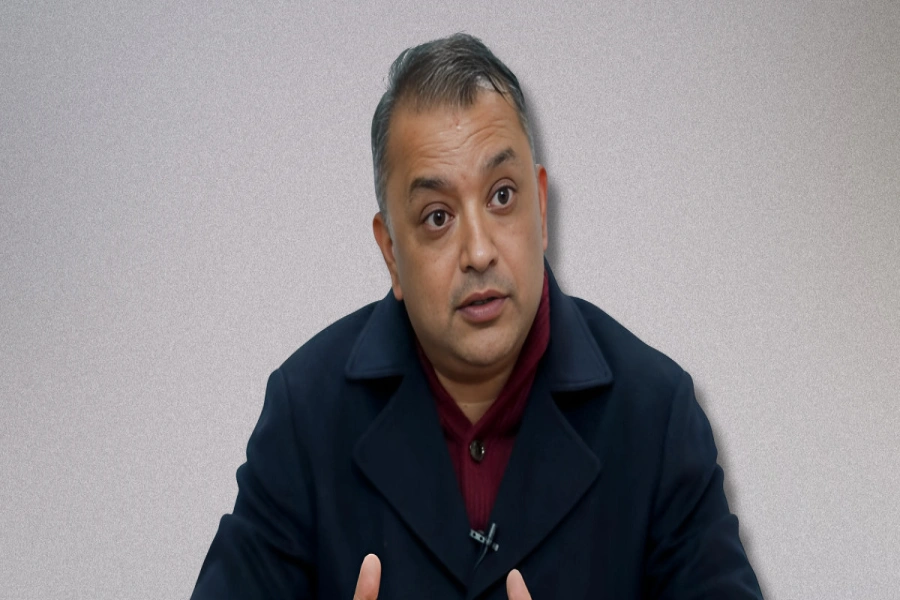
KATHMANDU, Jan 17: After weeks of speculation surrounding the split of the country’s largest party, the Nepali Congress (NC), the Election Commission (EC) on Friday officially recognized Gagan Thapa as the President of the NC, updating party records under Section 51 of the Political Parties Act.
Thapa was elected president during the Special General Convention held in Kathmandu from January 11–14. Immediately after the convention, Thapa and other newly elected office-bearers, including Vice-President Bishwa Prakash Sharma, submitted a formal request to the EC to update the party’s official records.
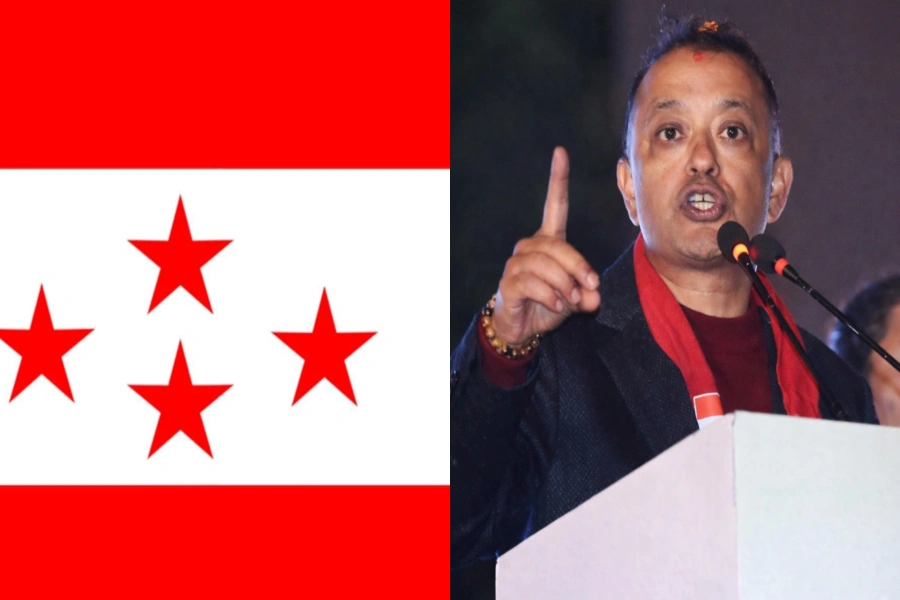
Leaders of the Sher Bahadur Deuba faction also submitted a claim to the EC on Friday morning, asserting their legitimacy. After reviewing claims from both sides, the EC granted official recognition to the Thapa-led faction, which will now officially hold the party’s election symbol—the tree—the four-star flag, and the Sanepa office.
The decision came after a heated standoff between the two factions, both of which claimed legitimacy. Supporters of Thapa and Deuba staged protests outside the EC office in Kantipath, Kathmandu, with hundreds of party cadres gathering and blocking traffic in an effort to pressure the commission. The rivalry intensified over competing claims of authority, making the EC’s recognition of Thapa a significant step toward resolving the party’s ongoing leadership conflict.
Legitimacy battle puts Gagan-led NC at EC’s doorstep
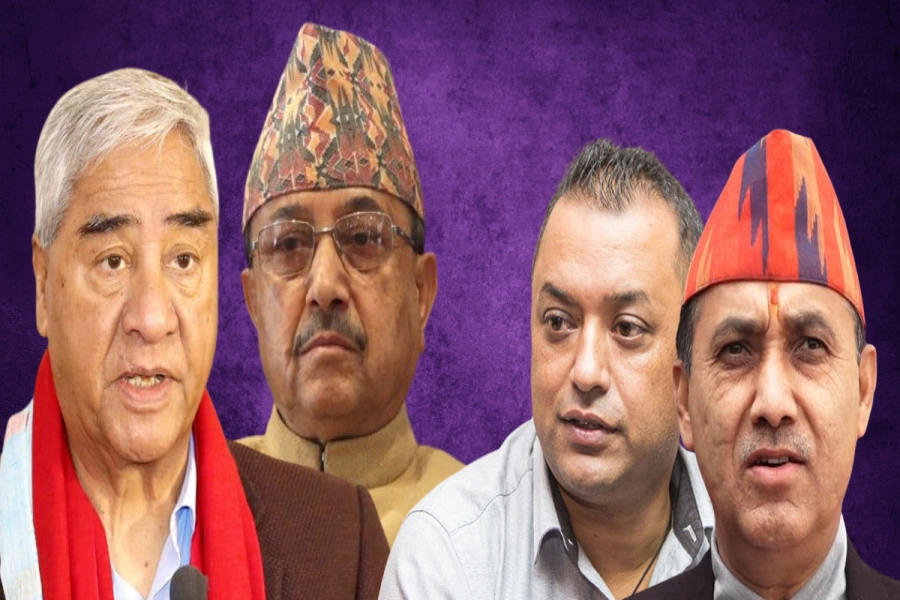
The conflict revolves around the Sher Bahadur Deuba-led faction and the Thapa-led faction, the latter having been unanimously chosen as party president by a Special General Convention held at Bhrikuti Mandap from January 11–14.
On Thursday, Thapa’s faction approached the EC requesting recognition of its newly elected leadership and Central Working Committee. In response, Deuba’s group arrived at the commission on Friday morning, asserting that the committee elected through the 14th General Convention remains the party’s legitimate body.
During discussions with EC officials, NC Vice-President Bishwa Prakash Sharma defended the Special General Convention, citing Article 17(2) of the party statute, which mandates that the party must hold a Special General Convention within three months if requested by over 40 percent of general convention delegates. The faction claimed that more than 57 percent of party delegates participated in the Special Convention.
Meanwhile, the Deuba-aligned faction, after consulting legal experts, also reached the EC demanding legitimacy. Acting President of the establishment faction, Purna Bahadur Khadka, led a delegation to the EC on Friday morning. The group claimed that the attempt of Thapa’s faction to assert authority posed a threat to Nepal’s constitution and democracy.
Khadka further claimed that 885 convention delegates who had initially signed in favor of the Special General Convention later withdrew their support. He warned that if the EC ruled against the party statute and constitution, the faction would mobilize nationwide protests.
Responding to Khadka, General Secretary Gururaj Ghimire of the Thapa faction countered that the objections were politically motivated. He pointed out that the NC’s Central Working Committee prior to January 11 had committed lapses, including failing to hold timely regular conventions and not completing membership updates, which forced the call for a Special Convention. Ghimire claimed that the names of over 57 percent of delegates who participated in the Special General Convention had been submitted to the EC.
Deuba faction spokesperson Meen Bahadur Bishwakarma criticized Thapa’s group for allegedly using the party’s symbols to create division. He warned that such actions had complicated the election process.
Meanwhile, hundreds of party cadres representing student and youth wings gathered in and around the EC premises, with many taking to the road, creating chaos on Kantipath Road outside the EC office late in the evening. Supporters of both factions gathered in nearly equal numbers in a bid to pressure the EC to grant legitimacy to their respective groups.
The protest escalated after members of the Nepal Students’ Union from different colleges arrived at the EC. Subsequently, supporters of party president Sher Bahadur Deuba also joined the protest. Later, cadres from both factions staged a sit-in protest in the middle of the street, completely blocking traffic.
While police tightened security inside the premises, tensions remained high outside, raising concerns about possible unrest. However, no untoward incidents were reported.