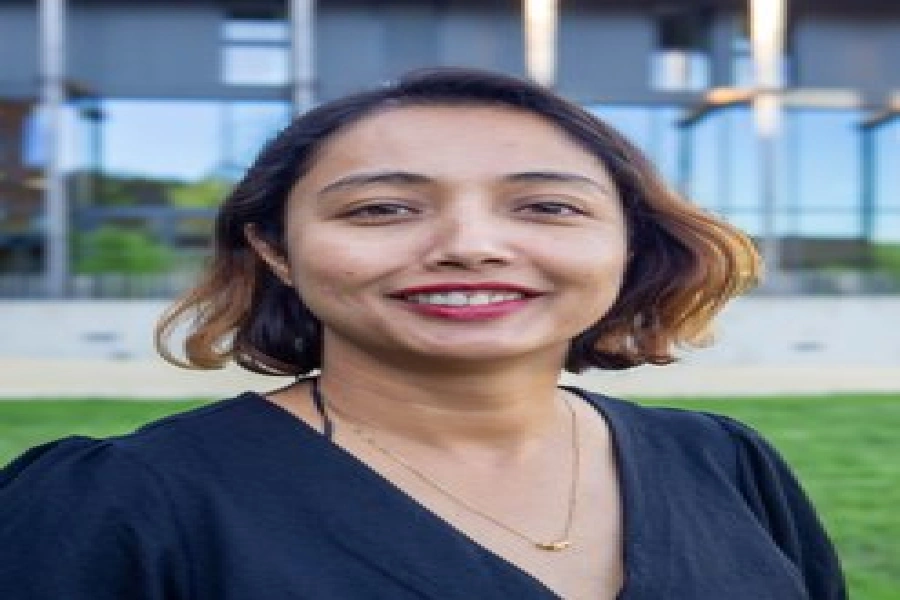
Katrin is one of the daughters of late Toni Hagen, the Swiss geologist and development philosopher who is largely credited for introducing Nepal to the outside world. She first visited Nepal in 1952 along with her father, and after couple of visits over the following decade, she has regularly come back here since 1975.In Kathmandu after having held a health camp in Ramechhap District last week, she shares with Republica why Nepal is close to her heart, and why youth have the power to uplift this country.
Excerpt:
Tell us about the health camps you organize. How do people respond?
We always choose remote villages to hold our health camps. But then we make sure that there's at least a hospital with basic medical facilities like couple of nurses and an operating room. We also partner with local authority and community groups in order to help spread the news about the camp. People are always grateful, and more often than not, they turn up in such large numbers that we need the help of police to manage the crowd.
You've been travelling to Nepal for really long now. What is your first memory?
When I first came here in 1952, I was too young to notice much. And since I've read so much of my father's diary entries about his travel in Nepal and sifted through hundreds and thousands of photos that he took of people and places here, I'm not sure if it's my memory or a fragment of what I've read and seen. However, I do remember feeling like I've travelled back to the middle ages when I visited Nepal in the 50s, because it was untouched by the outside influences and everything was so raw, so pure.
Has your father's impression of Nepal influenced yours own in any way?
I love Nepal for all the reasons that my father did. He came here to study the geography of the Himalayas and map this country but then ended up falling in love with the people here. He always told us that Nepalis are friendly and peaceful people, and I couldn't agree more.
Especially the resilience Nepalis showed after the devastating earthquake last year testifies this. It's incredible how they dealt and continue to deal with the aftermath of the calamity. Also, despite the political instability that has always plagued the country, Nepalis have shown incredible grit and spirit. They always find a way out. They are so positive.
What is the most fascinating thing your father has told you about his visit to Nepal?
Nepal was pretty much closed to the outside world when he arrived here first. But even then, he told us how Nepalis recognized all foreigners as 'Englishmen.' Later, when Americans started visiting the country, they were called 'rich Englishmen.' And they recognized Swiss nationals as 'hardworking Englishmen.'
How do you see Nepal's future?
My father always said that he believed in the young, innovative and enthusiastic Nepalis. I think if they do small but important things in their community, Nepal will definitely do better.
There's little you can do about the government, but people, especially young ones, can definitely bring about change.
When do you plan to visit Nepal next?
I'll be back by March's end. I have a medical camp planned for Jajarkot.
Related story
Toni Hagen’s photos in exhibition