The company presently manufactures the Vermicompost in Ramkot 6, Kalanki. Earthworms, imported from Jaipur, along with microbial solution are used to convert solid waste, particularly cow dung and agricultural waste, into organic fertilizers which is packaged and then sold to retail businesses.
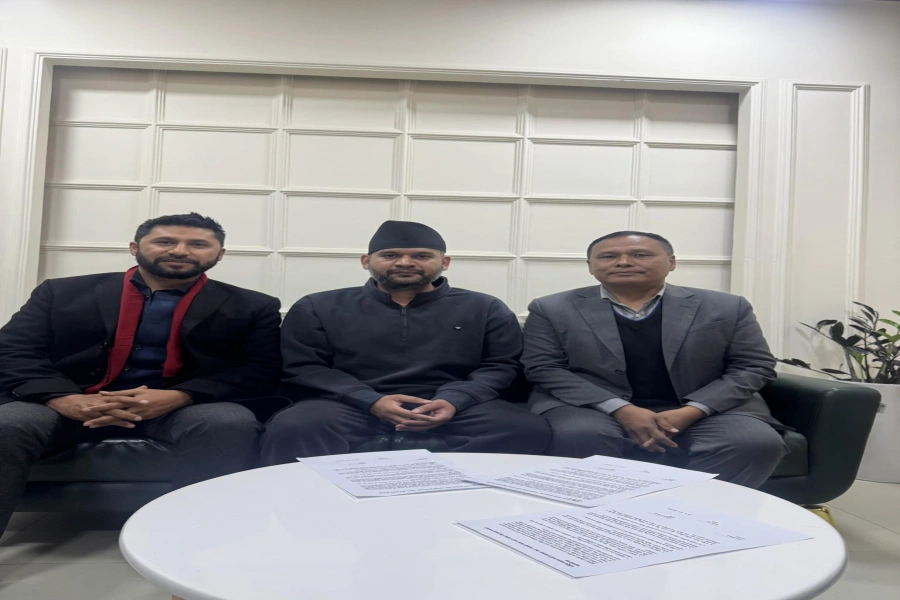
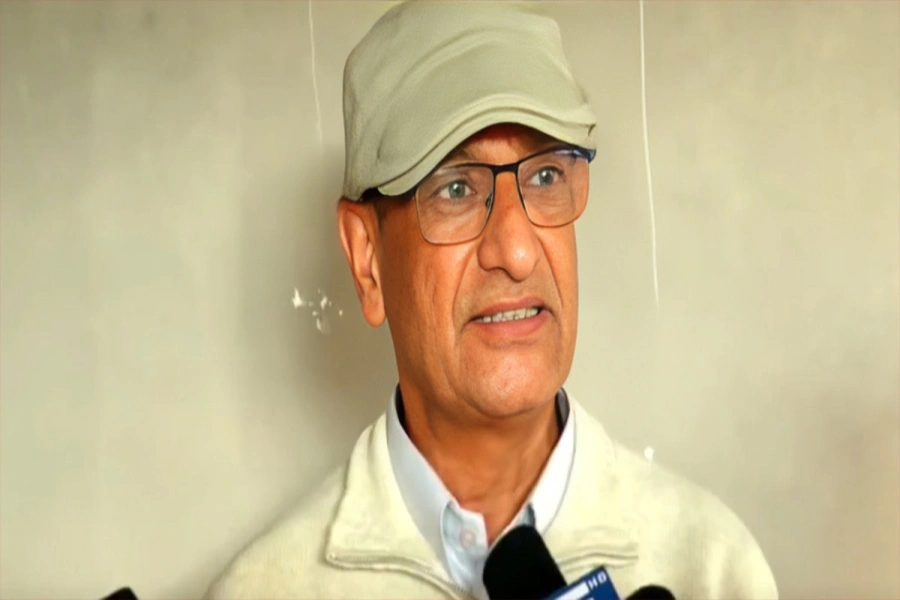
The business enterprise was originally initiated by a team of four friends who met while pursuing their undergraduate degree in Biotechnology from Kathmandu University. Realizing their competence and expertise in this field, they considered teaming up for doing something large in their own country."At the time, there was a big rush for going abroad. Most of our batchmates left the country for higher education and work, but we were determined to do something lucrative here itself," says Manish Pratap, 29, Marketing Manager of Praramva Biotech.
"In fact Manish and I had already received our offer letters for higher studies from a foreign university, but we chose not to go," Baidyanath Jha, 29, Production Manager of the company, adds.
One of the team members, Pravesh Lama, is now pursuing his postgraduate degree in Canada and at present is a sleeping partner. The company is currently being operated by three of the team members, and it has not been a cake walk.
Apart from all the other challenges the team has faced, working with "dirty raw materials" was a major one.
The Operational Manager of the venture, Ashok Kumar Bhattarai shares, "As students of Biotechnology, we dealt with technical and fancy stuffs. But starting our work was totally different. We had to work with mud and dung all day while not letting the foul smell get into our heads, and the initial days were horrible. Besides, there weren't many helpful people around. Most of them openly criticized our choice. 'Why are you wasting your time playing with filth when you should be applying for education abroad or running after jobs?' – they would say."
Baidyanath adds, "None of us had any idea about running a business. We knew very little about the market, and that made things difficult in the beginning."
Manish points out how the gap between policymakers and entrepreneurs makes things complicated. "We feel that most policymakers do not understand us. Likewise, industrial zones are scattered, and we have to deal with load shedding, communication and transportation issues every day. Running a business without these basic infrastructures is nearly impossible," he elaborates.
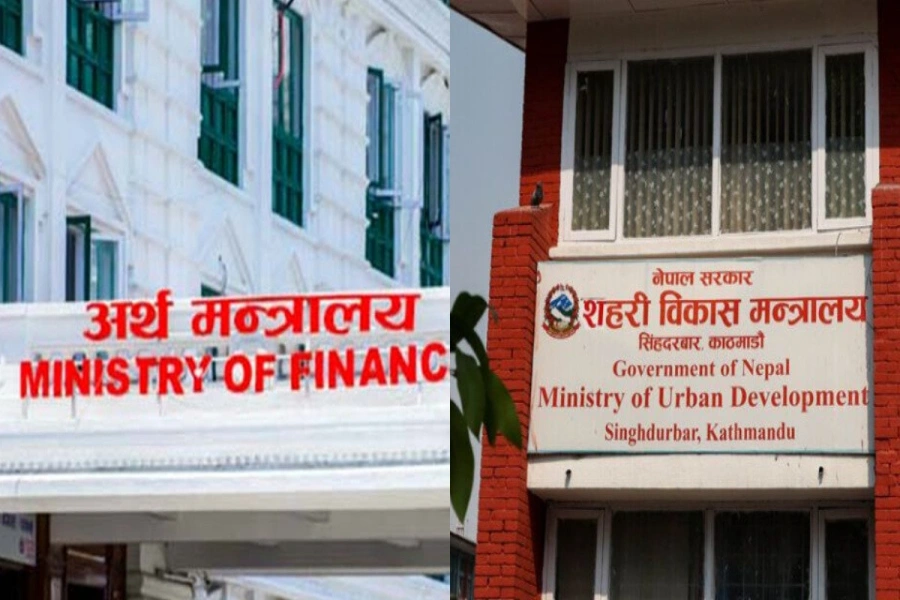
However, the government, despite its flaws, has considerably been of good support for the enterprise as well. Through the Soil Management Directorate of Ministry of Agriculture, they received a 50% subsidy in machineries and equipments. The government's Solid Waste Management and Resource Mobilization Center provided them with some financial support in physical infrastructure, while the soft loan provided by the Youth Self Employment Fund helped them start their business.
Praramva Biotech, after over a year of reaching the market, has now crossed its break-even point, and currently produces about 30 thousand kilograms of Vermicompost per month which are then sold in packets of 2 kgs and 25 kgs. The product with its brand name Bhu-Doc (Bhumi Doctor) Vermicompost is available at agro vet shops and nurseries in most parts of Kathmandu valley and surrounding areas.
The enterprise has been providing fulltime employment to nine people, with additional workforce of about six, depending on the work load.
Encouraged with the response they've garnered from the Vermicompost, they are planning to launch Microbial Bio Fertilizers—a different kind of compost manure—in near future.
Nonetheless, Ashok, Manish and Baidyanath unanimously say that they can't afford to feel content so soon. "We have so much more to do," they say.
Their future plan is to provide everything that a farmer needs. "We aspire to be the complete solution for a farmer. Besides fertilizers, we also want to be able to supply seeds and pesticides—everything organic of course," Ashok says.
The team also feels that the entrepreneurial spirit in Nepal is flourishing to a great extent and that there are more people engaging in business however small. "This will greatly help Nepal to thrive economically," they opine.
Related story
Money and life