To expect Congress, Maoists and UML to revise state boundaries to Morcha's satisfaction, through a political mechanism, is unrealistic. The best the Big Three will and can do is express commitment to revising state boundaries within three months. The best Morcha can respond is by bluffing its way through this assurance. Not doing so would be detrimental not only to Morcha's future but also add to the woes of general public who has been suffering a triple whammy—Morcha agitation, Indian blockade and government apathy.
Madhesh agitation is partly a result of Madheshi leaders' intense anger and hatred of UML and its chief KP Oli. Oli had in the past miffed them with his anti-federalism remarks. They had verbal altercations, too. It was clear as early as last January that Morcha would hit the streets to show KP Oli "who they are." Morcha started out with vendetta against one particular leader. In the process, it made a series of mistakes.
To demand that Jhapa, Sunsari and Morang be incorporated in Province 2, despite clear opposition from people of these districts, and to make it a bottom-line, was a mistake. To promise millions in bounties and provoke the people into violence was a mistake. To invite and cheer Indian intervention and economic blockade which crippled lives across the country was a mistake. To radicalize Madheshi youth by instilling anti-Nepali feelings in them was a mistake. The list goes on. Morcha is paying for this and will have to pay more in the future.
There is India's pressure on Morcha to agree to constitution amendment by putting demarcation on hold. There is pressure from business communities to lift border blockade and let life get back to normal. For the last five months, schools and colleges have remained shut, businesses have collapsed and life has come to a grinding halt. Madhesh cannot withstand this anymore. No wonder Morcha leaders and cadres are becoming targets of businessmen (Indian and Nepali). Pressure will be exerted in the days to come to change the modality of Morcha's battle against Kathmandu. Therefore, this is the right time for Morcha to look for a safe-landing.
The amendment bill is in process of being passed. Unlike the past, Prime Minister Oli is exercising restraint. Morcha cadres themselves do not seem to be in a mood to risk their lives for the cause they may have realized as unattainable by now. Morcha has no option to agreeing to proposal of political mechanism for settling boundary issues within three months. But it should also be prepared to face the fact that the dispute won't be settled anytime soon.
State demarcation is really tricky. It is not as simple as gerrymandering. Yes, influential leaders of Congress and UML want provinces that favor their electoral constituencies. But who does not? Isn't it gerrymandering when Morcha demands entire plains as Madhesh provinces and is opposed to stretching Madhesh provinces to the hills?
Jhapa, Morang, Sunsari, Kailali and Kanchanpur are Madhesh in geography but hill in spirit. Demarcation that does not honor hill spirit will be rejected outright. Besides, the new constitution mandates the yet to be formed Federal Commission to work on boundary issues. Thus the only thing that can be done is amend the provincial provision in the constitution to the effect that these five districts will remain "disputed," perhaps forever.
Chances of adjusting Jhapa, Morang and Sunsari in Province 2 have become remote especially after Morcha/India blockade. It has raised the specter of Province 2 ending up becoming a rogue state, which will go to any extent to stop supplies to Kathmandu even over minor differences. There will be more people demanding not to be part of this province than those wishing to join it, at least until the level of mistrust with Madheshi leaders and India subsides drastically.
After coming this far, Morcha does not have the liberty to backtrack from Madhesh-only province agenda. So they will most likely stick to this demand in principle but won't push for it. Counter revolt against Madhesh-only province is likely especially in eastern, mid-western and far-western Tarai districts. Morcha may continue its protests despite such constraints, but only at the risk of turning the current agitation into a separatist and secessionist movement. If India backs this movement, we are done for. But if India stays away, Nepali state will most likely respond with force, which will mean conflict in Madhesh.
The longer Morcha continues on its obdurate path, the more it will lose face-saving opportunities. One such face-saver can be talks. Keep talking and keep pushing the agenda, even if it brings no result. Another face-saver can be for Morcha to stop blockade and focus on extreme apathy of Oli government towards the people.
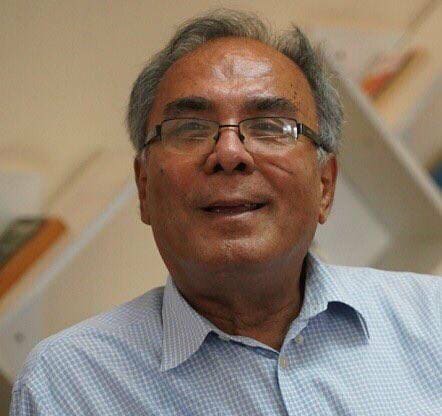
Most problems in Nepal can be attributed to political mishandling. The chief goal of every leader when in power has been to extort and misuse state resources for personal benefits. Their focus has been to benefit from entrenched politics-crime-business-corruption nexus. Accountability has never become priority of any government. No government has tried to dismantle this nexus. Like Baburam Bhattarai says leaders in Nepal lack will, commitment and determination to work for people's interest (see Weekly Interview). It is against this tradition of misrule that Morcha should have fought. It still has time to expose government failure in governance and controlling black economy.
If Morcha had limited its protests to citizenship, proportional representation and inclusiveness it would have been much different. If they had not blockaded border and stopped food and fuel supply to the poor (the ruling elites were among least affected by the blockade) they would earn sympathy of hill poor.
Once you embrace obduracy, you will have to justify everything. The obligation of pro-Morcha intellectuals to justify blockade and violent agitation is understandable. But every movement comes to an end. Once Madhesh Movement comes to a close, its leaders will have to answer for everything.
Some of the discredited leaders in Madhesh may make a comeback in the next election. But once the flame of revolution dies down, Morcha leaders will have hard time justifying their misdeeds. Look at Maoists. They promised to bring moon and stars for the people. But they failed even to dig up a ditch. Today Maoists have become butt of jokes. They have disintegrated in such way that one wonders if they were the largest party at one time. This burden of having to justify the need and relevance of armed struggle against the state has put its leaders in a difficult situation. Many comrades regret becoming the part of the revolution that brought the country to this day.
In a country where accountability is a rarity rather than the norm, Morcha leaders may escape public interrogation. But questions will be raised, whether they answer or not: What was all this for? They will be asked. What were those 50 deaths for? What did we achieve? What did you give?
mahabirpaudyal@gmail.com
Related story
Cost of obduracy