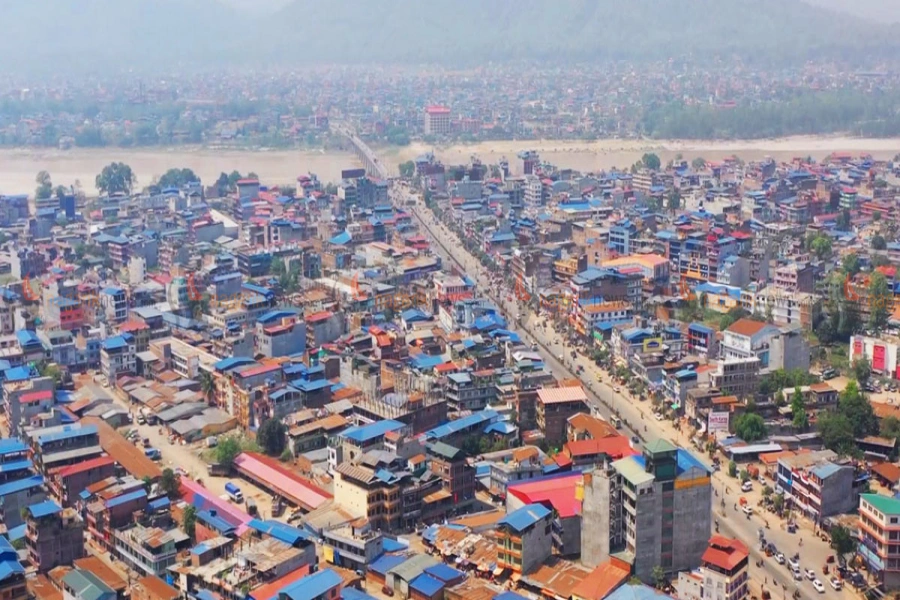
The research conducted in Jhapa district with the financial support of the World Health Organization (WHO) shows that the poor in Nepal are vulnerable to various diseases like malaria and diarrhea. [break]
In the past 10 years alone, the numbers of cases of Malaria and Diarrhea have gone up noticeably and this has been attributed to the much-discussed phenomenon of climate change.
According to epidemiologist Dr Gajananda P Bhandari, who headed the research team, average maximum and minimum temperatures have increased in the last decade whereas the average rainfall has gone down.
The average maximum temperature in Jhapa increased by 0.7 degree Celsius between 1998 and 2008. Over the same period, the average minimum temperature also shot up by 0.1 degree Celsius.
As the globe got warmer, average rainfall declined alarmingly by 7 mm in Jhapa. At the same time as increase in temperature and decreased rainfall, the number of malaria and diarrhea cases shot up significantly.
In 1998 during the months of June and July, which are considered the peak season for malaria and diarrhea, cases of these two diseases numbered just 200 and 1,000 respectively. In June and July, 2008, the corresponding numbers were 400 and 3,000.
The research team gathered data from the Department of Hydrology and Meteorology (DoHM) on maximum and minimum temperatures as well as rainfall for the 10 years. Similarly, the team collected 10 years of data on cases of malaria and diarrhea from the Health Management Information System (HMIS) of the Department of Health Services (DoHS) at Teku.
“After collecting the data, we processed them with advanced statistical software,” Dr Bhandari told myrepublica.com. “The outcome was astonishing. The findings of the research substantiate our general belief that the impact of climate change is truly adverse.”
Dr Bhandari said that the research carried out between October and December in 2009 is not free of some shortcomings. “We have not assessed availability of potable water, sanitation facilities, population growth and the government´s public health programs in the course of our research which was done just a pilot program,” he said. “Despite its shortcomings, the research has given us a serious point to ponder.”
The research was carried out in response to a protocol passed at a Southeast Asia-region conference of the Intergovernmental Panel on Climate Change (IPCC) organized in Kolkata, India in August, 2009. The IPCC protocol had asked all the countries in Southeast Asia to conduct research on the interrelation of climate change and public health.
NHRC has handed over the research report to the Ministry of Health and Population. On the basis of this report the government is expected to draft policies to tackle the impact of climate change.
Related story
ICC T20 World Cup: England set Nepal a challenging 185-run targ...