

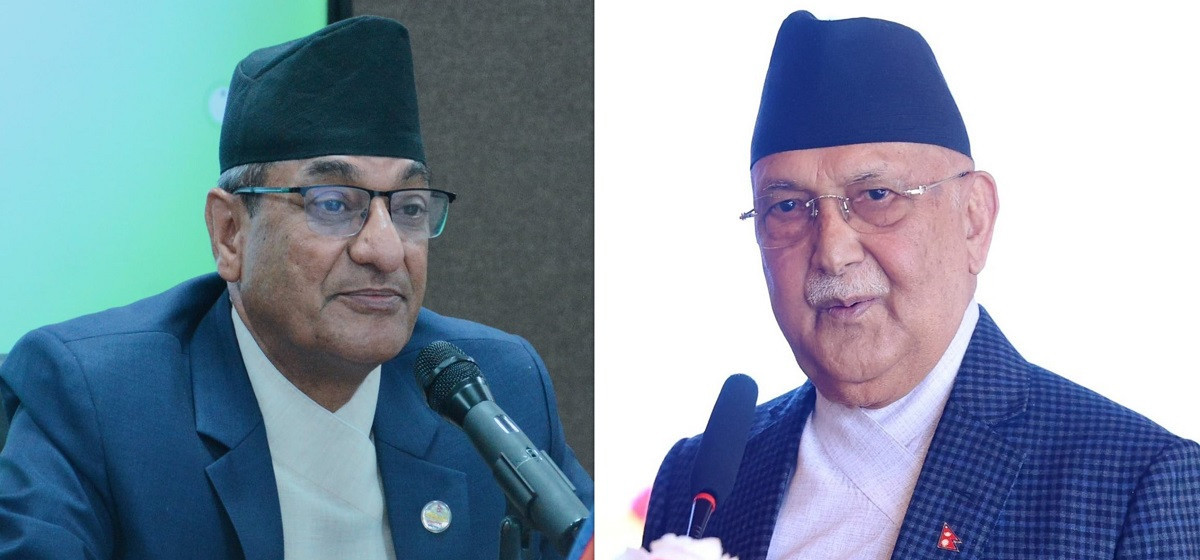
KATHMANDU, Oct 9: Even after the formation of a new government on the strength of Gen Z protests, Nepalis fear that the ongoing confrontation between Gen Z youths and cadres of traditional parties could push the country into uncertainty. The clash between the young protesters—who succeeded in toppling the previous government of KP Sharma Oli—and CPN-UML cadres has shifted from online feuds to street confrontations. The immediate trigger is Gen Z’s demand for the arrest of former Prime Minister Oli and former Home Minister Ramesh Lekhak for the September 8 crackdown that killed around 20 youth protesters.
The Gen Z campaign, amplified by the hashtag #ArrestOliLekhak, has placed the interim government of Prime Minister Sushila Karki in a difficult position. Trapped between pressure from Gen Z and potential retaliation from traditional parties, Karki faces a serious moral and political test. The threat of Nepal’s democratic values either holding firm or collapsing into another cycle of instability feels increasingly real. On one side stand the youth protesters demanding transparency, justice, and accountability; on the other stand the old power blocs—the UML, Nepali Congress, and Maoists—determined to protect their legacy and leadership, though some of their leaders have called for leadership change to remain relevant in today’s changed political climate.
Mayor Balen allegedly mounting pressure on PM Karki to arrest O...

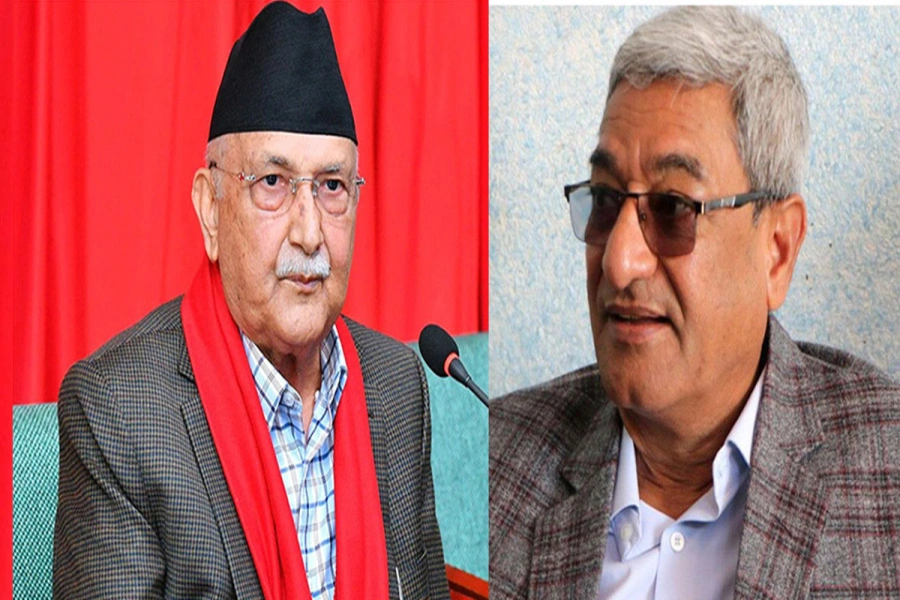
The demand to arrest Oli and Lekhak goes beyond a legal issue. It is now a test of the Karki government’s commitment to justice and its will to tackle entrenched corruption. It is also a challenge to the old political order, as Gen Z protesters have also demanded the resignation of the CIAA chief, its commissioners, and the chief justice. The mounting pressure from Kathmandu Mayor Balen Shah—widely regarded as a key voice of the Gen Z movement—on the prime minister to act against Oli and Lekhak demonstrates how these forces are now shaping government priorities. His meeting with Karki, followed by late-night consultations with security chiefs at the PM’s residence, suggests security agencies face mounting challenges. The government’s hesitation to arrest Oli and Lekhak, coupled with police refusal to even register the complaint, reveals how institutions remain under political pressure.
The UML’s quick counteraction—its cadres filing complaints against Balen Shah and Gen Z leader Sudan Gurung for allegedly inciting youths to set fire to Singha Durbar and commit other acts of violence—shows how traditional parties intend to respond to calls for Oli’s arrest. By filing their own case, the UML seeks to flip the narrative, portraying the youth movement as violent and irresponsible. This tit-for-tat legal battle signals that both sides are prepared for prolonged confrontation. If it continues, political paralysis may grip the nation, delaying elections and further eroding public trust.
Meanwhile, Karki’s government already faces questions about its legitimacy, preparedness for the 2026 elections, and ability to manage escalating polarization. If mishandled, the prime minister risks losing both credibility and control. Her reluctance to reform old political appointments or move beyond symbolic gestures has disillusioned many who once saw her as a transitional figure for change. Her earlier remark that structural reforms would come only after elections angered those who risked their lives in the protests, as they see little meaning in elections that only recycle discredited leaders under a flawed system.
The way forward requires restraint and reform. The first step is to allow independent, credible investigations into the killings, free from political interference. Justice delayed will only deepen resentment. The second step is political reform: major parties must renew their leadership and open dialogue with the youth movement. Attempts to suppress or discredit the youth will only backfire. For her part, Prime Minister Karki must move beyond election management toward structural corrections. Without reforms in governance, anti-corruption measures, and adjustments to the federal setup, elections will merely reproduce old problems. She must not let populist pressure hijack due process but must balance justice with legality, proving that the government upholds the rule of law. Her ability to balance reform and restraint will not only define her leadership but also determine whether the nation advances or sinks back into anarchy.








-1781882999.webp)


