A book for us readers is definitely a gift that keeps giving. We continue reading because it really does seem like reading is one of the most marvelous adventures that anyone can have, however, how about those who don’t share the same sentiment? The Week talked to English Professors and Lecturers around town to gauge our reading culture and just in case, if somebody wishes to join the reader’s club, we asked them for their suggestions on how does one can develop a reading habit. Here’s what some teachers from the Central Department of English at Tribhuvan University had to say.
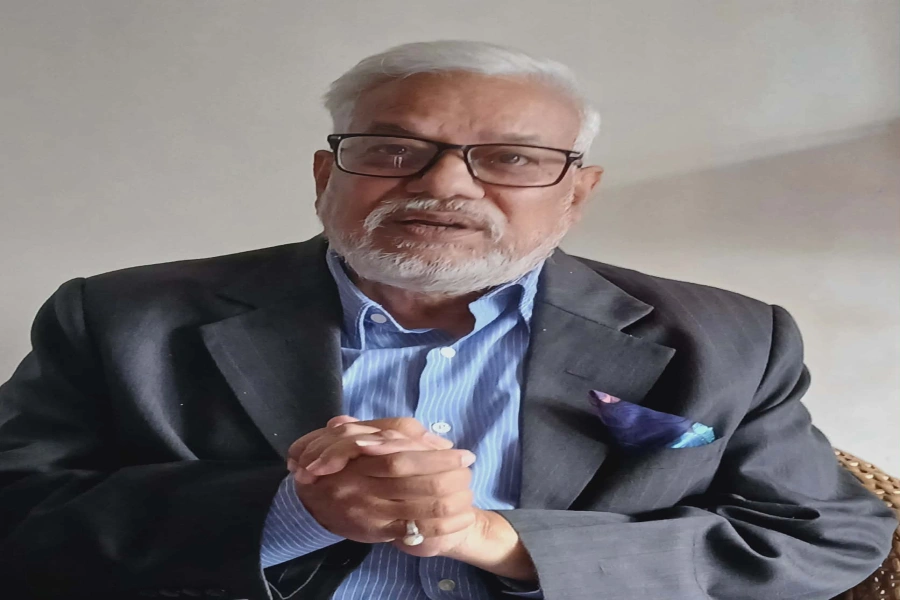
Jivanath Lamsal
Lecturer
What is Kathmandu reading?

It certainly wouldn’t be fair for me to generalize so I’m not going to say that a reading culture in our country as a whole is lacking. There are many Nepali individuals who are passionate about literature and books. I even see it among my students. However, in my experience, they fall in the minority. Even in our university, it’s only occasionally that I come across students who have ventured beyond course books and are knowledgeable about cultures, places, people, and so on. This naturally means that many still have a rather restricted understanding, of not only literature but life as well.
I’d say it is very important for people to realize how not reading books can be detrimental to their own development and interest. This itself could encourage people to pick up more books and that is just the first step. We must then create an environment where this budding desire to read can grow. My suggestion would be provide several platforms and opportunities to discuss literature and books in general. After somebody finishes reading a book, I believe they should also get a chance to express their feelings and perspectives about it with other readers. If we could create a community of book lovers, such interactions will take reading to exciting new levels besides encouraging people to get into the habit of reading.
Mahesh Paudyal
Lecturer
It’s unfortunate but indeed the intensity that I’d like to see from Masters level students for books and reading, from those who have especially chosen to graduate in English, is lacking. It is apparent through their mediocre proficiency in English and their use of vocabulary that they haven’t read as much as is expected of them at this level. It seems the majority haven’t quiet discovered the treasure trove of literary work.
I always recommend those who want to develop a reading habit to start with fiction. Actually make that short fiction. Reading is a habit and it requires a good deal of patience as well. The good news, though, is that it’s possible to develop a reading habit over time. So start with small steps. Tackling Leo Tolstoy’s War and Peace on the first go would be a dumb move. Similarly, I have heard many complain that news articles and academic pieces can be boring so a good short fiction piece could be just the thing many are looking for. I’d also believe that, at times like these, teachers should step in with some good book recommendations. Considering the big mass that we teach every year, it might be difficult to oversee each student but when a student is eager to learn, teachers should actively interact and guide them.
Anirudha Thapa
Professor
There are so many challenges in our society at the moment. We not only have a number of socio-economic problems but the state of the country’s leadership has also been dismal. All these obviously affect the way we run our educational system. I think we can all see many kinks in it and yes, it plays a huge factor is our country’s inert reading culture. I still have graduate level students come up to me and request a list the books that they need to read for their thesis. They just want to know about the specific three to four books that will help them pass with good marks. The notion of reading to garner knowledge, shape perspectives, or for just joy hasn’t been established among the majority yet. Even some teachers don’t browse through books beyond their syllabus.
So what good could my tips to encourage reading habit do when our society’s reason to pick up a book itself is skewed? The importance of books and reading isn’t just about job security, there is more to it and this needs to be understood for our reading culture to flourish. It is crucial to immerse an individual in books early on, from his/her childhood itself. Also as a community, we have to work on the accessibility of books.
Birendra Pandey
Professor
The reading habit among our youngsters hasn’t developed to the extent that is required. This fact is as clear as day for those of us who teach English and oversee their work. I feel the problem starts from school, specifically high school (+2 level) itself. Our education system clearly doesn’t do much to encourage a reading culture. For example, children are more concerned with course books and even during their exams they have learnt to rely on the summaries in the question banks. So where is the incentive for them to develop a reading habit?
In cases where students who want to work on their reading habits, I have found that there is a tendency to be impatient because they are not used to it. They also get discouraged when they face some difficulty and that could be as simple as not understanding certain passages. I would advise them to not give up. Keep going. Reading is a habit that grows gradually. You have to work on it. Also I frequently suggest readers to develop critical thinking. Raise question, form opinions, be critical and curious, this is how one should go through a book. Further, I also belief we should host more programs clubs, and discussions for readers of all ages. Even simple competitions like 'Battle of the books' where people can earn bragging right for reading a lot can go a long way to help our reading culture flourish.