KATHMANDU, Dec 5: Youth leaders of the Gen Z movement have asserted that the September 8–9 protests will define Nepal’s democratic future, marking a pivotal moment in the country’s political trajectory.
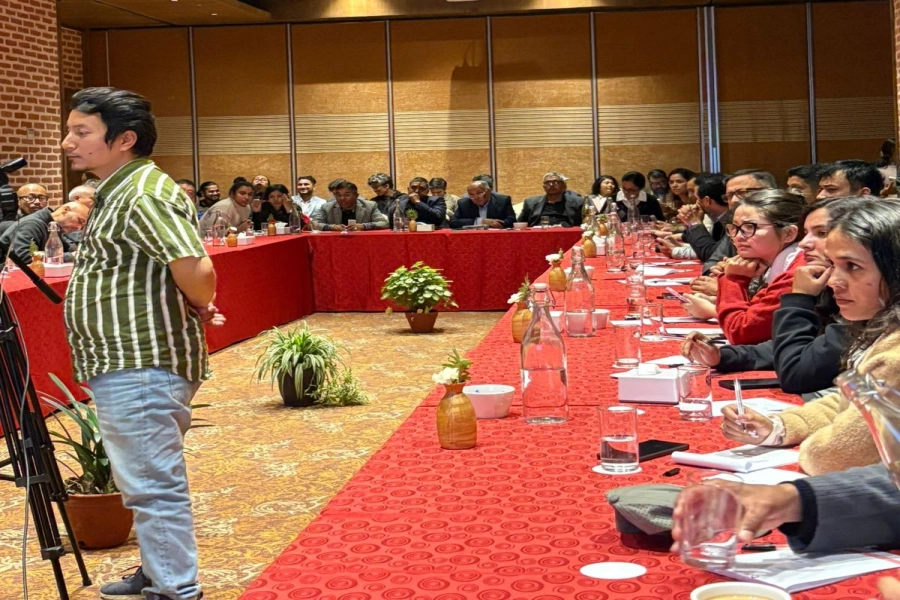
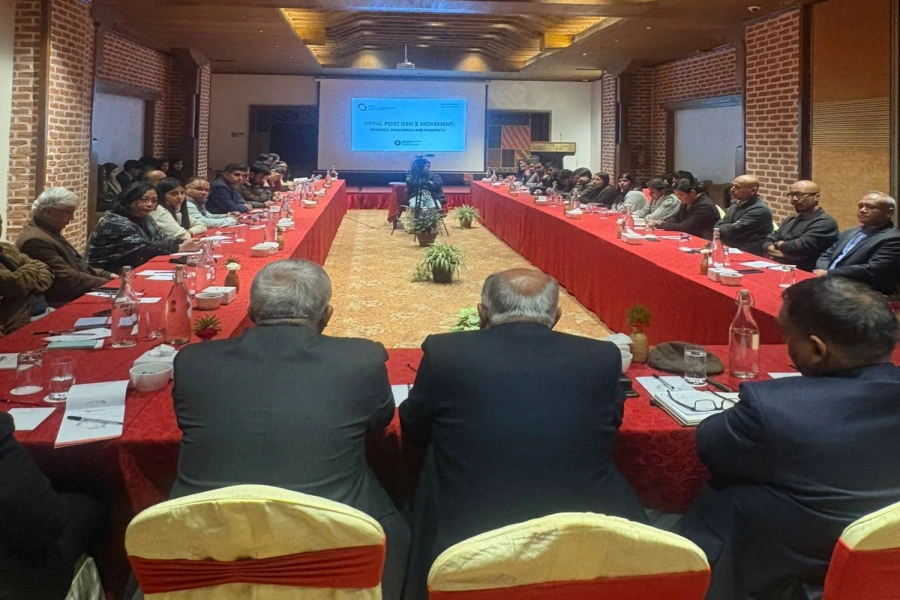
Speaking at a roundtable discussion organised by the Centre for Social Innovation and Foreign Policy (CESIF) in Kathmandu on Friday, they highlighted how the movement challenged entrenched corruption, exclusionary politics, and weak institutions, while forcing recognition of youth as active political actors.
Addressing the roundtable, youth activist Tashi Lhazom described the protests as a decentralized yet coordinated uprising, driven by shared frustrations and amplified through social media. She noted that Sudan Gurung emerged as a de facto leader out of necessity. “The movement will define Nepal’s future,” Lhazom said, “marking a turning point in the country’s democratic trajectory.”
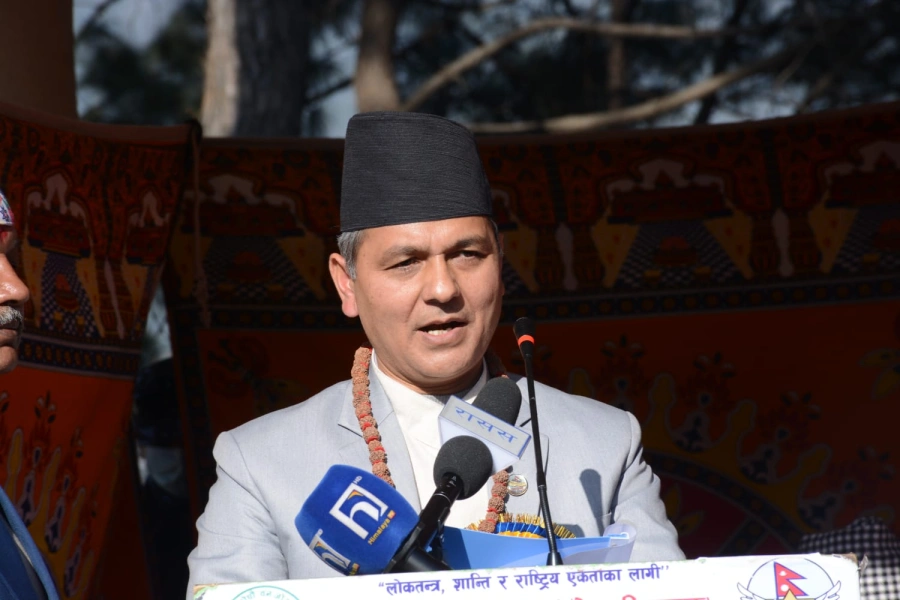
No one should dream of going against democracy: PM Deuba

Prominent Gen Z leader Ojaswee Bhattarai said the protests reflected a rising class consciousness, as young people confronted structural socio-economic inequalities. She added that the movement exposed exclusion from decision-making and highlighted contradictions in leaders who resist empowering new generations. Bhattarai called for platforms for youth participation, ideological development, and intergenerational dialogue to ensure lasting democratic transformation.
Lawyer and Gen Z leader Manish Khanal said the protests were rooted in frustrations over poor public services, limited job opportunities, and restrictive digital policies. He stressed that the movement has often been misinterpreted online and affirmed that young Nepalis stand for the constitution and demand a transparent, accountable, and future-ready Nepal.
Gen Z activist Asmita Rijal highlighted human rights violations during the protests, particularly affecting children, while Smita Yadav underlined the need for transparency in political parties and policies tackling corruption, unemployment, and governance inefficiency.
Political analyst Bhaskar Gautam praised the movement for breaking closed political “syndicates” and cautioned that youth movements risk being hijacked without political ownership. Governance expert Sucheta Pyakurel criticised the government for lacking moral legitimacy beyond holding elections and urged Gen Z to challenge exclusionary narratives. Political commentator Hari Sharma described the protests as a rapid, transformative force that safeguarded democracy, turning what was once considered “impossible” into the achievable.
Former Foreign Secretary and National Security Advisor Shankar Das Bairagi emphasised that effective governance requires public trust, structural reforms, and a coherent foreign policy guided by the principles of Defence, Development, and Dignity, alongside Consistency, Coherence, and Credibility.
The roundtable brought together more than 70 participants, including youth activists, policymakers, diplomats, civil society leaders, and scholars. Discussions focused on the causes of the Gen Z movement, its challenges, and the pathways it opens for Nepal’s future.
Ambassador Vijay Kant Karna, CESIF’s Executive Chairperson, noted that the protests exposed systemic corruption, weakened institutions, and rising authoritarianism. He also stressed the need for evidence-based national dialogue and principled leadership to guide Nepal’s democratic renewal ahead of upcoming elections.