KATHMANDU, Sept 30: A CPN-UML´s taskforce formed to prepare a whitepaper concluded that there were hands of external forces in the failure of Constituent Assembly (CA) saying the international communities´ role further complicated the task of constitution writing.
The taskforce in its white paper under the title of external forces´ role in the CA has described the role of the United Nations, the United States, the European Union and the neighboring countries India and China.[break]
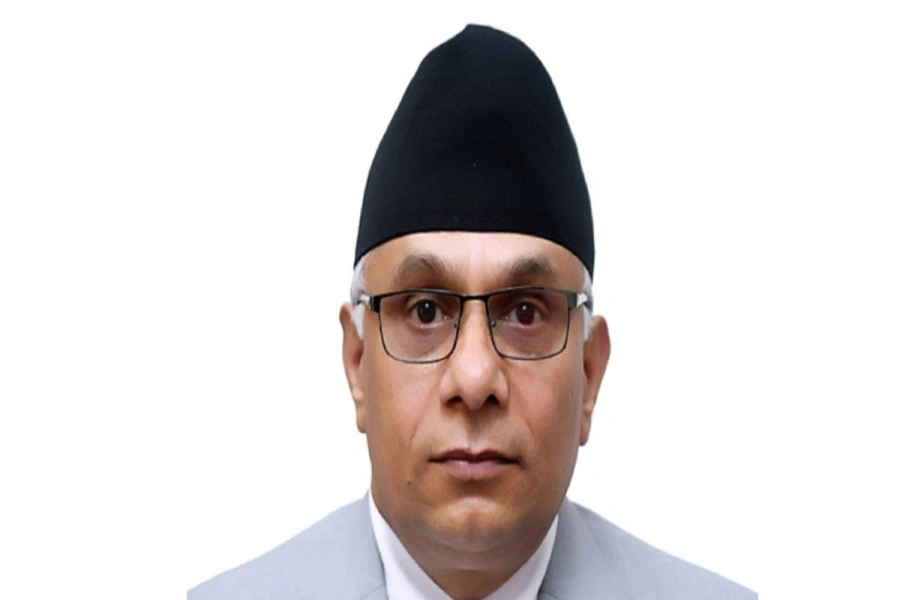
CPN-UML in June formed a taskforce headed by party Secretary Shankar Pokharel with the mandate to prepare a whitepaper on the four-year work of the CA that ended without promulgating a new constitution on May 27. The party has said it will formally make public the report only after holding deliberations on the document in its central committee meeting soon.
While recognizing active role of the Center for Constitutional Dialogue (CCD) of the UNDP in raising awareness on various important issues of constitution writing, the taskforce has pointed out the Center´s controversial role. "Sometime its role was controversial so much so that the [CA] secretariat had to seriously object to the activities of some of the officials and they had to be removed," stated the whitepaper. It has also said that questions had been raised over the transparency of the CCD´s expenditure which ran into millions of rupees.
The taskforce said that the US and the EU were actively involved in holding formal as well as informal debates on various issues of constitution writing in coordination with various caucuses formed in the CA. "Questions have been raised saying that the debates on social and gender issues have contributed to further complicate the situation," read the document. It has said the "unnecessary concerns" expressed on religious matters were also debatable.
"Some political analysts argue that some western countries have their special interest in favor of an ethnicity-based federal model in Nepal so that it could be favorable for them to watch on China," read the whitepaper.
About India, the UML team concluded that the southern neighbor had overtly expressed unnecessary interests on Madhes-related issues. "There was no consistency, rationality and transparency in India´s policy. In some contexts, India wanted to use undemocratic forces to fulfill her interest," it said.
While the whitepaper described former Indian Ambassador Rakesh Sood´s remarks as undiplomatic, it said the Birgunj-based Consular of India became controversial due to his "open and interfering expressions against the proposal to delineate multiple provinces in Tarai region".
Similarly, the team also depicted the role of China as well. According to the whitepaper, the northern neighbor mostly remained silent over the constitution making process. "In the final stage, it expressed its concern through various channels sensing that delineation of ethnicity-based provinces may invite some trouble in its sensitive region Tibet," read the whitepaper.
Supreme Court not spared
The UML taskforce also strongly criticized the Supreme Court´s verdicts issued at different times with regard to extension of the CA term. It has claimed that one couldn´t deny the fact that the apex court´s verdicts issued at different times contributed to further complicate the already complex transitional situation.
It has also claimed that the apex court´s different verdicts given on the same issue contradict in each other. "It seemed that the SC failed to properly evaluate the special situation of the peace process and the progress made in constitution writing," the document said. "Apart from that, the SC also didn´t abide by the doctrine of judicial restraint propounded by the judiciary itself and sometime it has also breached the theory of separation of powers as well."
Among others, the taskforce also accused top leaders from major political parties of not working sincerely toward constitution writing during the time when the CA was functioning until May 27.
Related story
Manchester City's ban from European football overturned - CAS