

Although the caste system in Nepal was outlawed in 1962, it is still very much active throughout the country. It is firmly embedded in Nepali culture in a complex structure that is difficult to untangle. It combines many different elements which maintain a level of inequality and difference between ethnicities and groups based on birthright, ethnicity, occupation, power and financial assets.
Although it’s easy for the so-called ‘global west’ to criticize the caste system in Asia, in reality the West has a caste system of its own. It is usually referred to as “class” which is also based on birth right, ethnicity, occupation, power, and financial assets. Arguably, it appears easier in the West to climb the social class ladder, whereas in Nepal it is determined by birth. [break]

nuvo.net
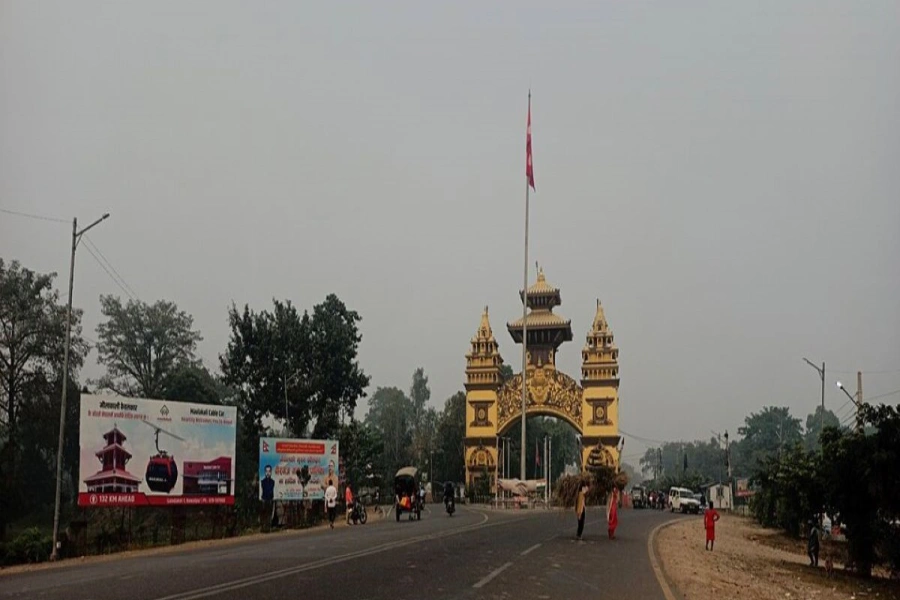
One such group that struggles to shed the stigma cast upon it are Dalits, the so-called ‘untouchable caste’ that is the primary victim of caste-based discrimination. In the Far-West hilly District of Doti, where the overall adult literacy rate is 42 percent, some Dalit women suffer three-fold discrimination; first because of their Dalit status, second because they are women, and third because their families are infected with HIV/AIDS.
Sashi Sob resides in Doti and is District Chairperson of the Feminist Dalit Organisation, a national organisation set up in 1994 to “fight against caste and gender discrimination and to construct a just and equitable society”. The Feminist Dalit Organisation is a member of Sankalpa Women’s Alliance for Peace, Justice and Democracy. It has defined itself as “Mission 50/50”, meaning proportionate and representative participation of women at all levels of the peace process and all state structures.
Sashi has noticed a trend in men seeking work outside Doti in the neighbouring India. Local men migrate to India for seasonal and long-term work as laborers and security guards. Whilst working in the major cities of India, they visit brothels where they are exposed to Sexually Transmitted Diseases (STDs) such as HIV. As they are not educated, they are clueless about the dangers they expose themselves to.
Consequently, on their return to Doti they risk infecting their wives as well. When the men fall sick, they believe their ancestors are mad at them for visiting brothels and are punishing them by making them sick. They are oblivious to their HIV status. It is not common practice in Doti for people to seek medical help from health posts and hospitals. Consequently, by the time they seek medical help, HIV will usually have developed into AIDS.
Sashi recalled the story of one man from Doti, a Dalit who went to Kerala, India and found another wife who he brought back to Doti. He had contracted HIV whilst working in India and had transmitted the disease to his new wife. It was not known if he had passed HIV on to his first wife, though the likelihood was high.
His adoption of a new wife is an example of how men in the area regard their wife with little respect. In another story, Sashi spoke of a wife who, after her husband had died of AIDS, was accused of ‘gulping down’ her husband. I
t was not until community mediators became involved that they were able to convince the family of the truth.
The majority of men from Doti who migrate to India are Dalits, as they are less likely to own land through which they can earn a living. They have limited employment opportunities due to their ‘low’ caste. Out of approximately 800 people that are infected by HIV and AIDS in Doti, approximately two thirds are Dalit. For Dalit women whose husbands die from AIDS, this adds a new layer of discrimination against them, i.e. being a widow.
Sashi Sob stated that if there were more employment opportunities for men in Doti, they would not have to migrate to India for work. Also, if there was more awareness on safe sex and medical treatment for HIV, it would reduce the risk of infection. She didn’t mention that the problem existed because men were committing adultery with prostitutes in brothels. Maybe this has been accepted as normal behaviour in Nepal, though it would be a different story if women were committing adultery. That would be another opportunity for discrimination.
The author is Organisational Development Advisor at Sankalpa – Women’s Alliance for Peace, Justice and Democracy
louise.belinfante@gmail.com
Related story
Israeli strikes across Gaza hit multiple homes, killing at leas...











-1200x560-1774606010.webp)


