Over 1,000 Nepali youths travel to various countries in search of jobs every day. Among their most popular destinations are the Gulf countries as well as India, the next-door neighbor. Those wanting to work in the Gulf are expected to clear all the customary hurdles (picking the right manpower agency, clearing medical examinations, taking part in pre-departure orientation, among others). One thing they have not had to worry about till date was getting their translated official documents attested by the Ministry of Foreign Affairs (MoFA), a mandatory provision for most labor destinations. But MoFA’s announcement that it will stop attesting such documents from July 16 has left tens of thousands of Nepalis wanting to work abroad in limbo.
It is believed MoFA was forced to take the drastic step after diplomatic missions started complaining about the authenticity and quality of the translations of accredited notaries. Traditionally, it was the Law Books Management Committee (Kanun Kitab Khana) that handled all official translation duties. But the 2007 Notary Public Act stripped the LBMC of the exclusive right, clearing the way for notaries certified by the Nepal Notary Public Council (NNPC) to undertake such translation works. But interestingly, the Act failed to mention which government body would authenticate the documents translated by notaries.
The dispute came to a head a couple of days ago when NNPC stripped the LBMC of its right to translate official documents, arguing that notaries are the only ones qualified to undertake such a job. It does have a point. To obtain license aspiring notaries need to clear a qualifying exam conducted by the council. The dispute here is not so much which of the two groups (LBMC officials or NNPC notaries) should undertake translation works, for even the foreign ministry has made it clear that notaries will have the exclusive right after it makes ‘credible arrangement’ to carry out such works.
The ministry, which has been facing complaints over authenticity and quality of translations from diplomatic missions with a troubling frequency, clearly doesn’t believe such arrangements are in place. It is important to note that it is not just foreign-bound laborers who will be affected by this festering debate. All those aspiring to go abroad for work, studies or any other purpose need to submit certified translations of documents such as certificates of citizenship, character, birth and marriage if foreign diplomatic missions ask for them. In this situation, we believe all the sides concerned, especially the foreign ministry and NNPC, need to sit together and agree on a clear set of measures to authenticate translated documents.
These should include stringent legal measures against notaries that issue fraudulent translation documents and the scrapping of licenses of those whose translation skills are not up to the mark. Only such clear measures and strong government commitment to act on them will convince the diplomatic missions that the documents they are dealing with are reliable and of high standard. It is grossly unfair to burden the Nepalis who have been busy preparing for their foreign visits, for various purposes, for months on end to have to suddenly deal with this unexpected problem. The sooner the issue is resolved, the better.
Related story
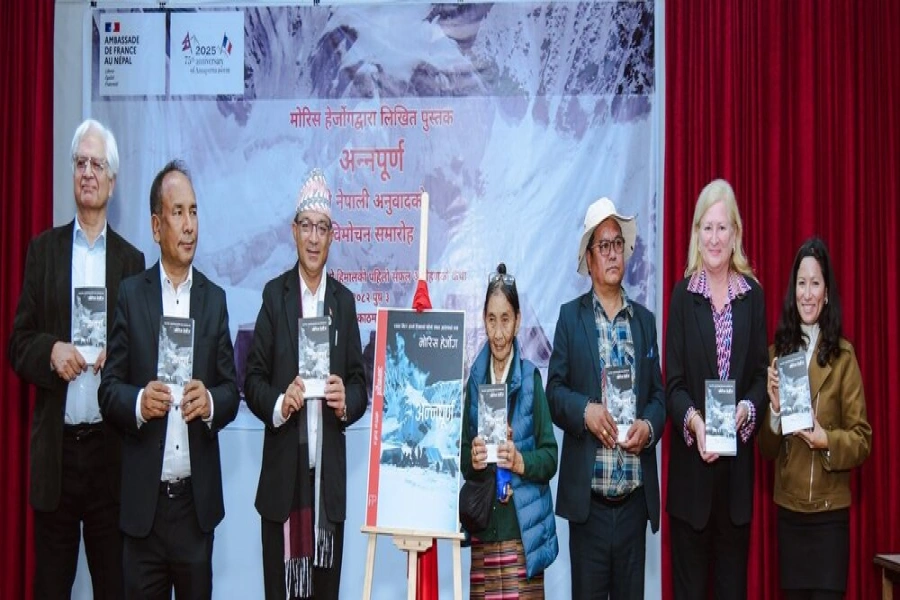
Nepali translation of Annapurna Premier 8000 launched