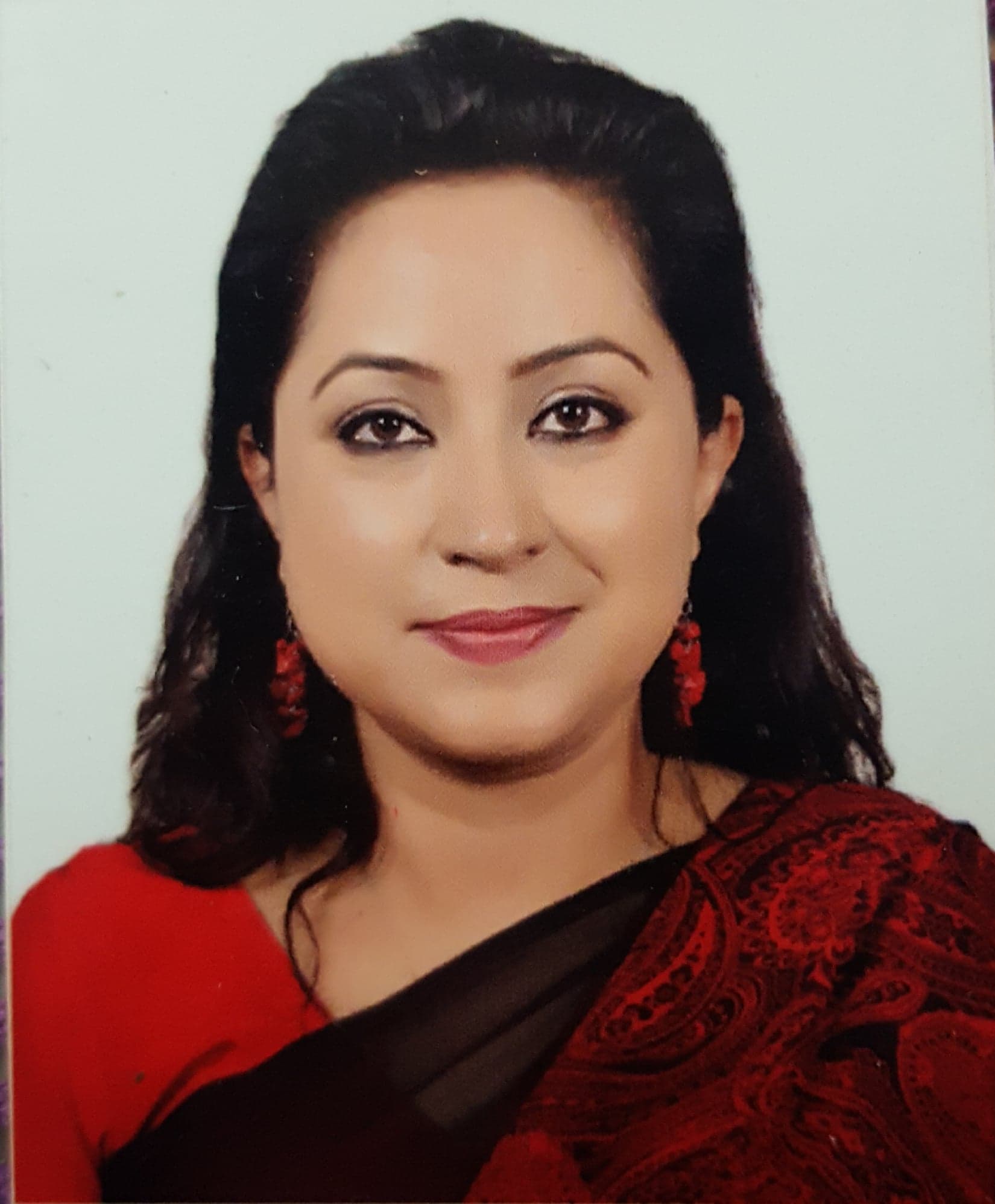
"This isn't a time to play around. Can you imagine the shame, if you don't pass the SLC?" says Maskey. However, seconds after making the claim, she hesitates. The mother wonders if her statement was technically wrong. After all, this is the year the Ministry of Education has decided to change the SLC scoring system. From this year on, there won't be despair at missing a mark out of distinction and there won't be glee for topping the class by a mere .5%. This is the first ever batch of Nepali students who shall be graded on the basis of the newly adopted grading system. Maskey swears she would never utter this query in front of her son but knowing that he was well out of earshot, she whispers her suspicion, "Is our Iron Gate not a feat anymore? Does this mean all the students have already crossed it?"
This is the kind of confusion that Karna Bahadur Shahi, the founder and principal of Texas Higher Secondary School, has been trying to squash for most part of the year.
"The concept of 'pass' and 'fail' becomes blurred from here on. It is wonderful that the students can shine in the subjects of their interest and won't be pulled back by those they are weak at. However, after the announcement of the new system, my teachers were reporting that many students had begun slacking. It was startling to see their performance drop in such a short span of time. So with the teachers, I had to set about making one thing clear: Grades still need to be maintained," says Shahi.
He is also the president of NPABSON and Chairman of All Private Educational Institution Nepal, APEIN and shares that initially, the trend was spotted among students from other schools as well.
Badri Prasad Dahal also claims that they too had to make similar clarifications at Sanskrit High School and Bhanu High School. Being the principal at the former government run educational institution, Dahal explains how crucial it was to give the students all the information they had.
"This a huge shake up of our educational system so I believe there were bound to be some confusions, especially since in our government schools many students are their own guardians. Many parents don't have the capability or the time to care, let alone guide, their children through the new SLC marking system. Still I believe we have explained it to the best of our abilities," shares Dahal.
Nevertheless, he has his own doubts. Dahal explains, as far as he understands the grading system abroad considers a student's entire year's performance. It's the reason why the system is believed to be superior to the numerical marking system. However, this year's SLC result shall once again boil down to the three hours test performance. He ends up sighing at our government officials' incompetence. Shahi, on the other hand, has been very vocal about these short comings.
"In a way, the only factor that will be different in all the previous years' SLC result and this year's SLC result is probably the software the examiners' will be using to convert the numerical marks to letter grades. The changes, improvements and progress need to be enforced in our teaching and learning culture. Altering the marking system alone isn't the way to do it. This is going to do very little to enhance the quality of our country's education. We have been repeatedly sharing this concern with the ministry. It's apparent that their implementation has been rather haphazard," states Shahi.
Over at the Curriculum Development Center, executive director Babu Ram Paudel agrees this is a legitimate issue but being part of the government that is keen to apply this new system, he puts forth their reason: They had to start somewhere.
"We have tested this system in hundreds of schools and thousands of pupils over the decades. In my opinion, talks about changing the grading system had been going on for too long. They were discussing about this back in the mid 90s and that's a fault on our part. But now by finally executing the change, we can trigger improvements in the classrooms, syllabus and even attitude towards education. I think this will be the case of commitment forcing us in the direction of progress," says Paudel.
With that hope, he also assures that, they shall make the necessary amendments soon. In the upcoming years, a student's year round performance will be taken into consideration as well. Now some might worry that this batch of tenth graders are being used as a bunch of lab rats for experimental reforms but Paudel argues that no such injustices are being inflicted on the students. Like always, they will get the results of their exams and actually from here on, their past 10 plus years as well as their entire futures won't go to waste because of a bad grade in one or two subjects.
Despite the initial skepticism and the suspected challenges of running the grade system, the fact of the matter is that SLC this year shall go as per the new plan. The likes of Shahi and Dahal from both private and government school sectors have come to terms with it. They even agree with Paudel on the pros of the new scoring system. However, to reap full benefits from it, the Ministry of Education still needs to incorporate many necessary modifications to the way Nepali education system evaluates its students.
In fact, as Shahi points out, they also need to think about the consequences after the examinations as well. "The SLC results this year will change the entire game. In essence there won't be a student who fails but for instance, will a student with a 'D' grade still be able to apply for the Lok Sabha? What are the criteria? The officials need to sit down with representatives from various fields, settle it out and explain it to the students. We don't want pupils to go about believing they have cleared their SLC exams but later on not be able to pursue a career of their choice because their future employees don't agree."
Once again, as she assumes is the case with most Nepali parents, Prabha Maskey is slightly anxious about how her child's future shall fare from this particular educational reform. She can see the benefits of the system but is wary about the government's competency to see it through. She fears her only option is to wait and watch. So for the time being, she is choosing to focus on the one thing she can oversee: Her son's SLC preparation.
priyankagurungg@gmail.com
Related story
Garner graces cover of People’s annual ‘Beautiful Issue’