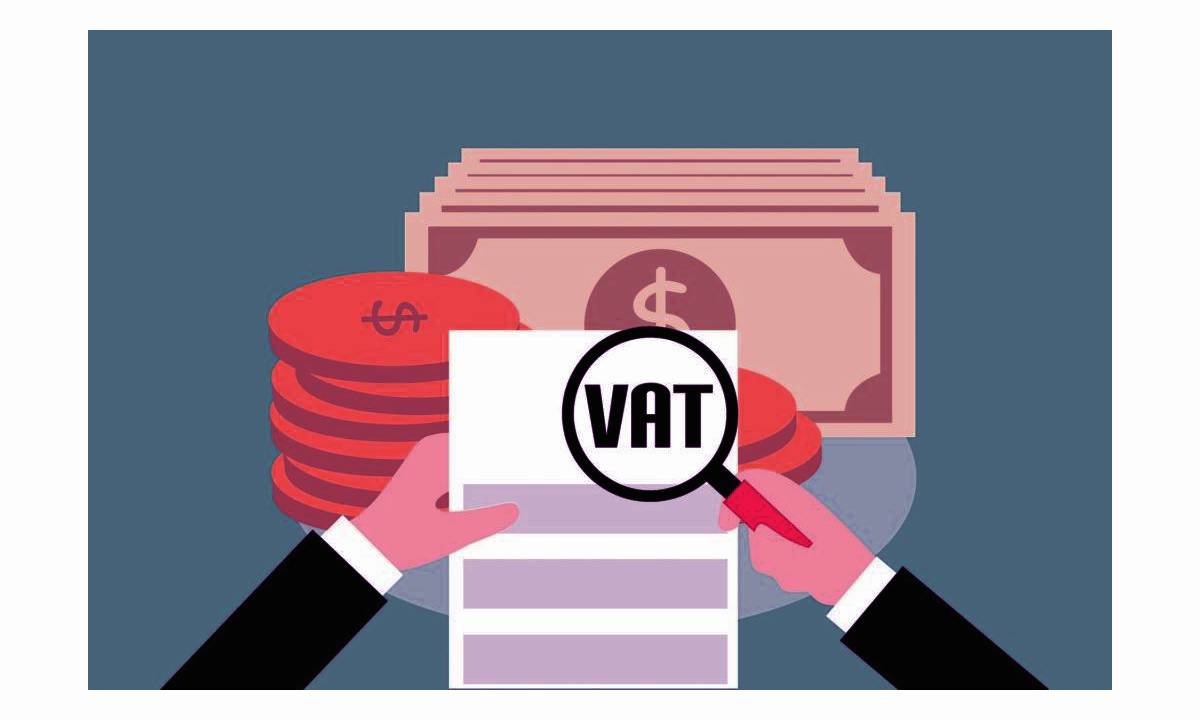
"The existing single-rate VAT system should be changed into multiple rates VAT to promote production-based industries and to increase investment in the country”" CNI president Binod Kumar Chaudhary said.
The Federation of Nepalese Chambers of Commerce and Industry, and the Nepal Chamber of Commerce and other business organizations have been putting forward the demand for the multiple-rate VAT for a few years now. But the government has been turning down their demands fearing that some goods will gain undue benefit from lower rates of VAT. Under the existing VAT system, the government is enforces a single rate of 13 percent VAT.
The CNI has suggested that a four percent VAT be imposed on food commodities, including sugar, refined flour, mustard oil and vegetable ghee. CNI has also suggested the enacting of a Special Economic Zone (SEZ) Act to establish SEZs in Jhapa, Dhanusha, Birgunj, Panchkhal, Jumla and Dhangadhi, with the provision for product-specific, service-specific and area-specific development in those areas.
To promote the industries that use local resources, the CNI has also demanded 99-year leases for limestone quarries, besides keeping the royalty amount unchanged for 10 years. The CNI also wants the scrapping of the 13 percent VAT scheme on dairy industry and wants the government to declare tea estates as SEZs.
In a meeting held to discuss the CNI´s issues, CNI president Chaudhary demanded that the government exempt the income tax for companies that employ more than 200 workers; he also said that a similar facility should also be given to the business enterprises that employ the most number of women. The government has already adopted a policy to provide income tax exemptions for industries that employ more than 500 workers.
"The government should also give continuity to the popular programs initiated by the earlier government," said Chaudhary.
The CNI also demanded that the government focus on increasing investment in infrastructure and on encouraging public-private-partnership in productive ways that benefit the state and the private sector. In reply, Finance Ministry Surendra Pandey gave assurances that the government would incorporate in the upcoming budget the suggestions made by the private sector.
Related story
Revised interest rate corridor system introduced