Patient care rounds in the hospital wards have their own style and rhythm. Mine has a team of a student, a resident, a fellow and an attending physician in a progressive order of hierarchy. Each has a role; the student and the resident talk to the patient and gather information, the fellow supervises them, and the attending physician oversees the broader aspects of the patient care and trainees´ education. It is during the rounds that all of us come together. We present the information, discuss, visit the patients and their families, and devise a broad plan of care for the day.
This was just another day of the rounds. We were asked to see an admitted patient in consultation for newly diagnosed type 1 diabetes, a disease resulting from complete destruction of insulin producing cells in pancreas. These patients depend on insulin injections to survive. As we entered the room, our patient, a young man, was lying in the bed hooked to intravenous lines, and there was a couple, his parents, sitting in the chairs by the bed side. They were eagerly looking forward to our visit.
They were an archetypal humble, middle-class family of modest income from the American Midwest. When their young son decided that he wanted to earn his own living, they complied by letting him forage into adulthood on his own. Sharing an apartment with roommates, he started working at a convenience store, mostly at odd hours. The convenience store provided health insurance at shared cost to its employees, but, to save money, he opted for the scheme with the lowest premiums. Even though he could have still stayed on his parents´ health insurance, he had chosen to relieve the financial burden on his parents since they were already incurring extra costs for the care of his mother´s multiple sclerosis.
Being a young healthy man just past his teens, how could he have expected that a chronic disease would befall him so early in his life? When it did, he came to know that the current health insurance would not cover any cost for medications, including insulin, which he will require for life. In the healthcare market of this country, dominated by insurance companies, costs of medications are extremely expensive to pay out of pocket. And with his modest incomes, it was impossible on the long run. This was the dilemma we faced on the rounds this day.
We had a precise idea about how to treat this disease; the problem was gathering the required resources. And it seemed especially odd that we physicians face this dilemma in the richest country in the planet, which spends 17.6 percent of its gross domestic product in healthcare, the largest proportion of any country in the world.
Confronted with this situation, my attending physician left with a terse, "Let´s see what we can do."
The university does not allow pharmaceutical company representatives into the patient care areas. This means, there are no more free medicine samples that we physicians had easy access to. And this is a legitimate decision since we have come to realize through multiple studies that marketing gimmicks make us biased in our decisions, consciously or unconsciously. So my attending physician would have to bring together all her resources. She would have to call pharmaceutical companies and find one that would give free vouchers for insulin for limited time. She would need to complete some paperwork.
Regardless of how prosperous a society is, there will always be ailing souls who need an act of kindness from their physicians at the time of their suffering.
She did exactly that, and we discharged the patient with insulin that would last a few months. At the same time, we sought help from hospital social services department to figure out ways to get him back on a full insurance coverage.
These types of situations are not uncommon during our rounds. Sometimes, exasperated, my attending physician says, "Another uninsured? Man, I am tired of this!" However, she never fails to come up with solutions.
This takes me back to my medical school days in Nepal. There, we faced such situations on a daily basis, on an agonizing scale. Yet, I remember similarly inspiring teachers; a surgeon who would pay, from his limited salary, the cost of basic materials for emergency surgery on a poor patient; nurses, who would meticulously save leftover sutures, surgical instruments and medications. It was perhaps limited in its scope and scale; nonetheless, it was borne out of the exact same urge to help the ailing, suffering humanity.
The teachers, at these two ends of the spectrum of economic prosperity, have taught me a common lesson through their actions: regardless of how prosperous a society is, there will always be ailing souls who need an act of kindness from their physicians at the time of their suffering.
We physicians have adapted to the injustices of the society. Perhaps, we are oblivious to the workings of the society, confined to our own scientific world of care of the sick ones. Hence, limited in our knowledge and understanding of the workings of the society that result in lack of resources, inequity, we are equally unlikely to bring about changes in these variables. Furthermore, what is beyond our understanding is: even if a society has plenty of resources at its disposal there will still be suffering souls seeking healing because of a lack of access to those resources.
Regardless of the resources of the society, we will be called upon to tend to the suffering lives of those left behind in the economic race. At that time, the ability to act kindly is the only certain resource available to us. That is our ultimate connection with the patients. That is what my teachers, both in Nepal and the United States, have taught me through their actions.
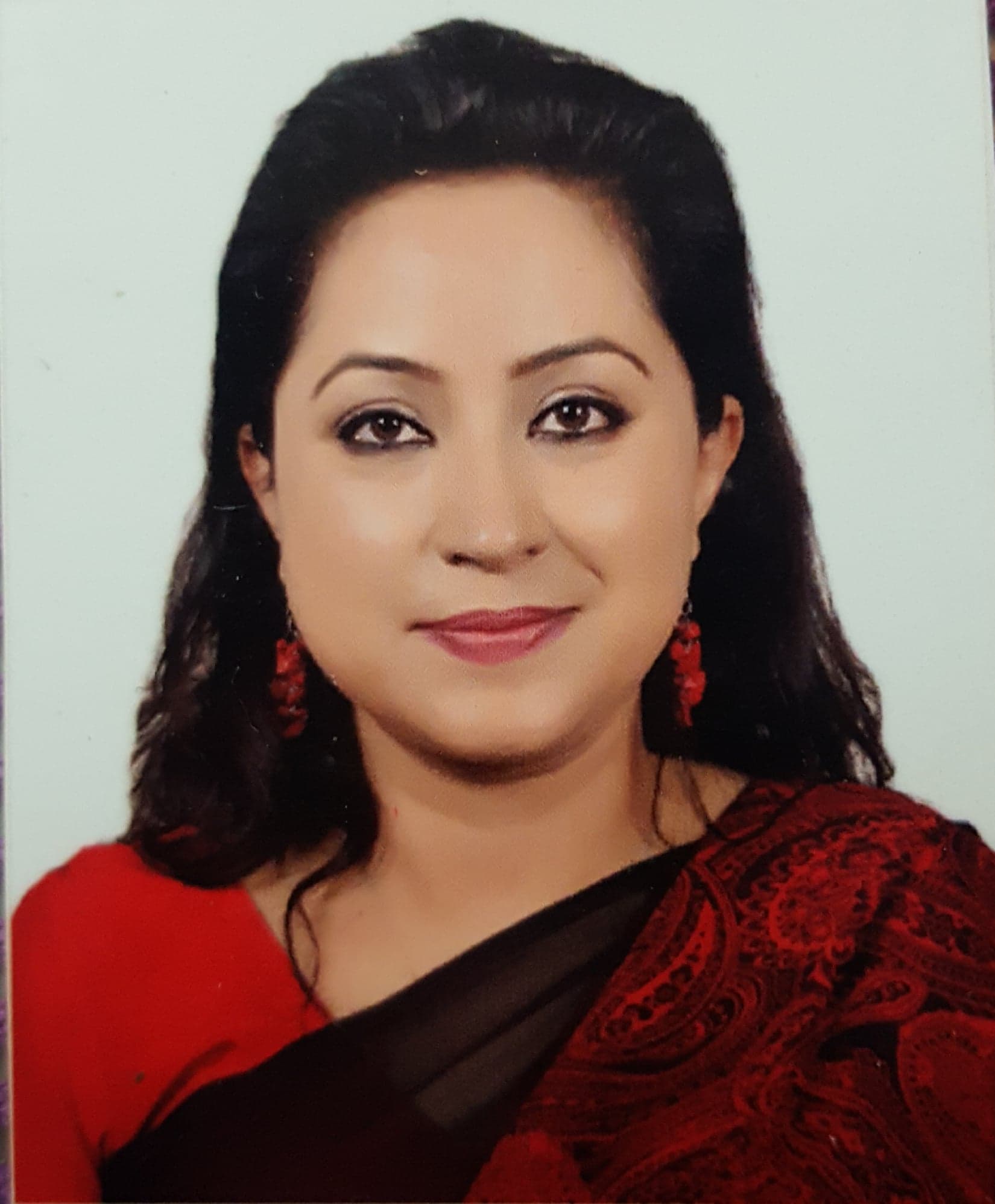
The writer is an endocrinology fellow at the University of Wisconsin, Madison, Wisconsin
subarnamd@yahoo.com
Related story
Budget for FY 2024/25: Strive for Fiscal Realism