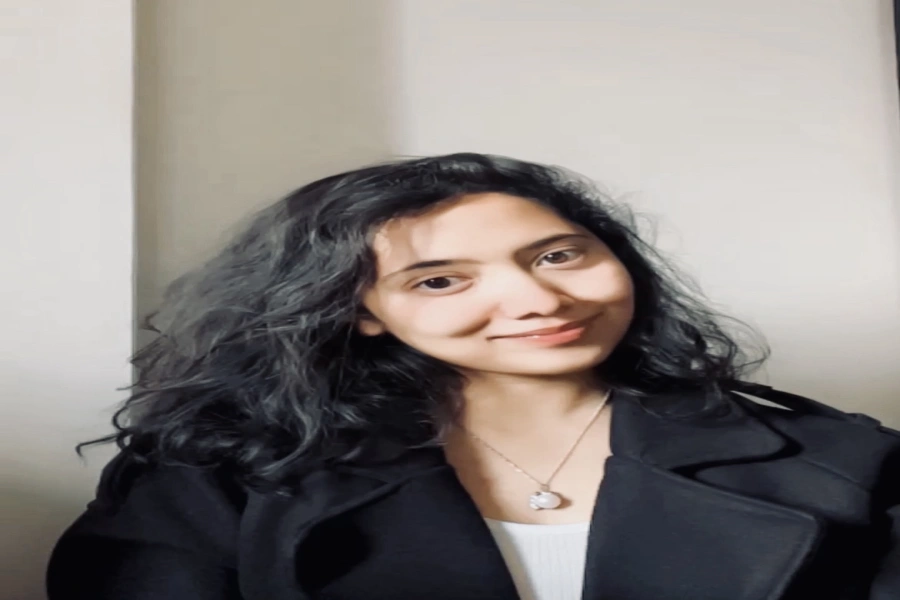
The vibrant youths of Kathmandu, Arahat Sundar Tuladhar, 17, who is currently studying in Malpi Institute; Sulav Dahal, 20, an engineering student at Himalaya College of Engineering; Ranjan Adhikari, 17, of Pentagon International College; and Rupam Shrestha, 22, a recent graduate in Business Administration (BBA) from People’s Campus share their perspectives on this issue and offer solutions to address these issues. [break]

What sector of the government needs the most change? Why do you think this sector has been failing?
Arahat: For me, the Nepal Electricity Authority (NEA) needs the most change as we’re facing the brunt of 10 hours of power cuts everyday. I think this sector is lagging behind because of inefficient staffs, bureaucracy, and corruption.
Sulav: I think the security sector isn’t functioning as it should as we get to hear about assassinations, scuffles, molestations and harassments. The affiliation of most of the perpetrators with political parties gives them the courage to commit violence.
Ranjan: The health sector, because people from urban areas aren’t getting proper medications. Half of the budget allocated for this sector goes into the pockets of officials and they buy the necessities for the hospital from elsewhere. As a result, it becomes inadequate.
Rupam: I would say the Department of Customs for it makes us pay large tariffs, and I can’t see the money raised from the tax being used in any development projects.

Do you think privatization is the answer to bring about a change in these sectors? Why?
Arahat: Yes. Privatization could be a good option. If NEA were privatized, it would bring new projects and technologies which would abate our present problems.
Sulav: The situation would definitely improve if the security sector went private. But it’s a strategic state service, so this needs serious considerations.
Ranjan: There would be dramatic improvements in the health services as we can see how well the private hospitals are doing.
Rupam: There will be remarkable improvements if there’s transparency in the Customs.

Is the concept of PPP more appropriate then? Who do you think should be the watchdog to stop corruption and who to look after the substandard services that can be provided?
Arahat: The banes of privatization could be offset by this concept as nobody would be denied the privileges. The private sector could take the operational and management part and provide proper services and preventing corruption whereas government officials could be the watchdog, look after security, and intervene by setting up pricing policy and other anti-monopoly policies so that consumers are not exploited.
Sulav: Yes, PPP would be the most appropriate option as we could have effective services along with a check to ensure that the other strata of the society is not deprived of the services.
Ranjan: I’m sure PPP would be a most viable option for there. For better results, government officials should look after the overall operations and act as watchdog whereas the private sector should be the one providing the services.
Rupam: PPP would be the best option. It would provide effective services with no corruption. Like Ranjan said, this policy can only be successful if the private sector looks after operations and the public the overall welfare to the society.
Do you think Nepali investors are financially capable of taking over these services? If not, should we encourage foreign investment?
Arahat: We have people who can afford to take these projects. But they’re reluctant because they’re not sure if their investment will pay off concerning the transition our country is in right now. We should welcome foreign investments, but the first priority should be given to the domestic players, as in this way we can inject more money and employment in our country.
Sulav: Nepal’s corporate houses can definitely take over these services and run them efficiently.
Ranjan: There are people who can take over these services and we should encourage them by creating the proper environment. If the foreigners want to invest in our economy, we should welcome them as well.
Rupam: People are hesitant to invest in our economy because of political instability, riots and closures. These must end.

Is PPP the answer to take the load off the government which could involve itself in nation building?
Arahat: If PPP is implemented, the work of government officials is going to lessen and they’ll have ample time to focus on nation building issues.
Sulav: Adopting this concept will release the amount of pressure that the government bodies have to take, and give them sufficient time to focus on nation building issues like roads, education, security, to name a few.
Ranjan: If it’s put into practice, they’ll definitely have time for nation building and this may turn people’s dismay into a hope for a better future.
Rupam: Yes, embracing PPP will make it easier and everybody concerned will have time to focus on national building for the welfare of the nation.
Related story
NPC seeks revision in PPP Policy to pave way for PPP Center