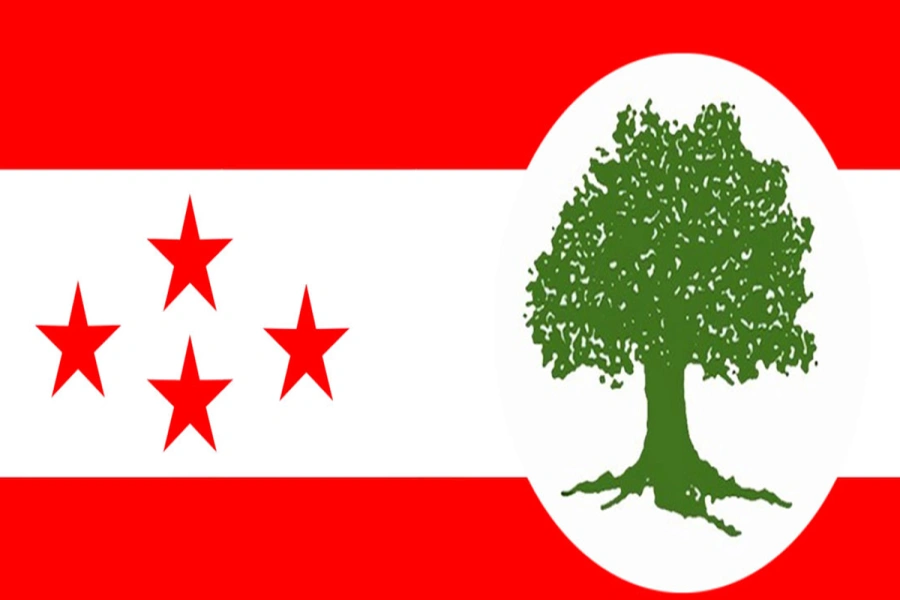
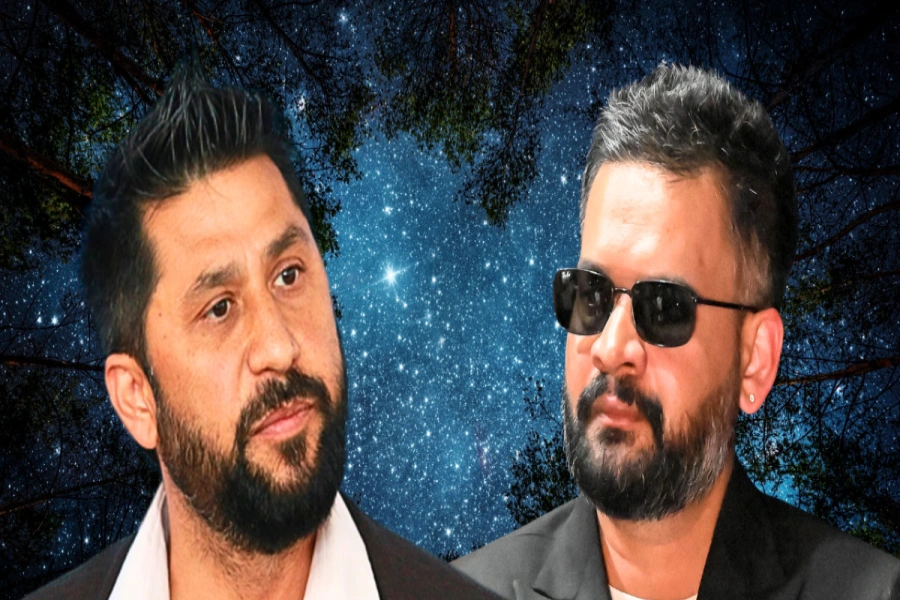
Leaders of all three parties were busy in consultations and negotiations till late evening Tuesday to chart a possible way out of the current political deadlock. Leaders of both NC and the Maoists were busy in intra-party negotiations at the residences of top party leaders to prepare their positions for Wednesday´s meeting. [break]
UML leaders led by Chairman Jhalanath reached the residence of NC President Sushil Koirala at Maharajgunj Tuesday morning in a bid to forge a common position of the NC and UML mainly on the modality of power sharing. Khanal, during the meeting, urged NC President Koirala to agree on a ´presidium system´ floated by Maoist Chairman Pushpa Kamal Dahal during last week´s Hattiban talks, to end the deadlock surrounding the prime ministerial election.
“We asked NC leaders to agree on the modality [presidium] if that is going to ensure conclusion of the peace process and promulgation of the new constitution,” Bharat Mohan Adhikari told Republica about the UML´s proposal to NC.
The UML proposal comes in the wake of the Maoist demand that the power sharing issue be settled first to move the peace process forward.
Under the proposed modality of power sharing, all heads of the three major parties will turn by turn lead the presidium, which will be equivalent to the present office of the prime minister, according to Adhikari. “And there will be a cabinet with representatives from Madhes-based parties and other smaller parties,” he said.
UML leaders claimed that the NC leaders told them the party would discuss the presidium model of power sharing and asked the CPN-UML to hold a dialogue with the UCPN (Maoist) to bring the Maoists into consensus.
However, NC leader Krishna Prasad Sitaula said the NC has not even thought of electing the prime minister [in ways] beyond provisions stipulated in the Interim Constitution 2008. "We believe that we can easily elect a new prime minister through the exisiting provisions in the constitution," he added.
If the parties opt for a presidium system, the constitution needs to be amended first because the present constitution does not recognize the proposed power-sharing model.
Though the NC and UML have common positions on issues related to the peace process, the two ruling parties are at odds over whether to give priority to the peace process or a power sharing deal.
While the NC has been sticking to the argument that they cannot reach a power sharing deal with the Maoists unless there is concrete progress on the part of the Maoists in severing ties with its army and arms, the UML maintains that the issues of peace process and power sharing should be taken simultaneously.
“We have made clear our position that the issue of power sharing and the peace process should go simultaneously,” said UML General Secretary Ishwor Pokharel when asked for the party´s stance on priorities.
NC leader Dr Ram Sharan Mahat said that the Maoists must ensure tangible progress in the peace process, mainly in the management of their arms and army. “The issue of power sharing is peripheral for us. Power sharing is a secondary issue; peace process is the priority,” he said.
During Wednesday´s meeting, the NC and UML are set to raise the issue of unveiling a new budget as the country faces a serious economic crisis should the government fail to unveil a new budget by mid-November.
Both the parties are for bringing a new budget to ensure the day to day activities of government and continuation of normal development activities without committing the country to new policies and programs. The Maoists, however, have stood against the idea, arguing that a caretaker government cannot bring a full budget.
Meanwhile, the venue of the meeting for top leaders on Wednesday was not yet known as of late evening Tuesday. Sources said the Home Ministry will arrange some out-of-the-way location for holding the talks.
Related story
NRB announces vacancies for 67 positions