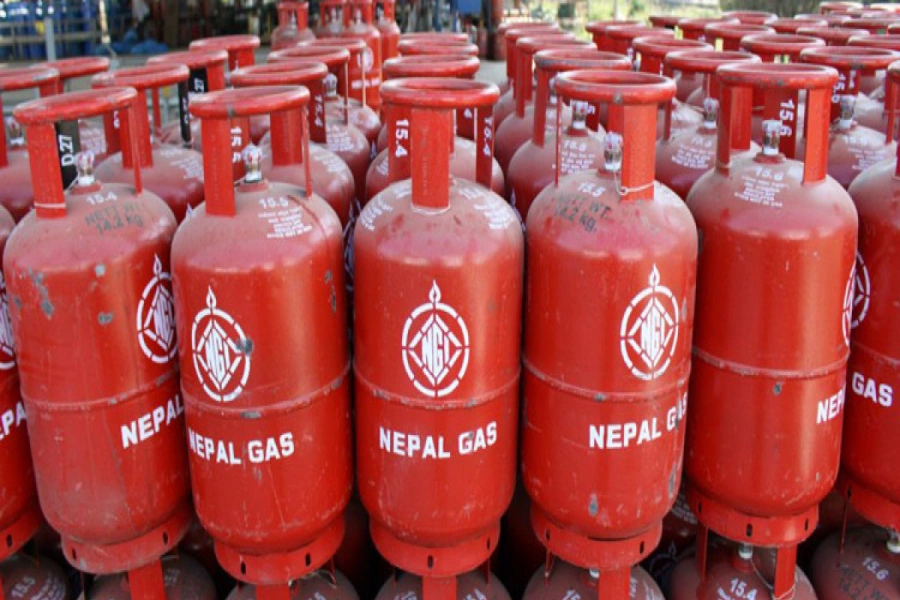
OMG! A massive amount of toxic oil is blowing towards the shores of Louisiana, Mississippi, Alabama, and Florida faster then you get a canister of cooking fuel from the Nepal Gas Co. This is the result of the April 22nd explosion of the Deepwater Horizon oilrig (owned and operated by British Petroleum) just a few dozen miles from New Orleans.
Approximately 5,000 barrels a day (yes, these are big barrels) are spewing into the ocean from a leak that is about 5,000 feet below the surface, making the plugging very difficult, if not impossible.
By the time of this printing, one of the most wildlife-abundant areas of the world will be covered in black goo...Brown Pelicans becoming black, Reddish Egrets now without that reddish hue, Mottled Ducks extremely mottled, and Snowy Plovers that look more like something emergent from the La Brae Tar Pits then from an Arctic snowstorm.
And the disaster is coating those under the water as well: Resident sperm whales are about to become huge oil tankers as they have to consume tons of crude-oil filled oysters for lunch, schools of bluefin tunas, now in the area for a little sex and procreation, are now blackfin tunas, and several species of sea turtles have acquired onboard petro supplies, much to their dismay. In short, an unnatural disaster is taking place this week where millions of animals important to the ecosystem of the planet are about to proverbially become covered in oil and then burned at the stake.
So I am finding it a bit hard to be positive and optimistic today...
On the home front, there is also the distinct possibility of burning petroleum products on the horizon: May Day and the days that follow could fill the streets of hometown Kathmandu with fowled oil fumes and messy smears on the roadways as Maoists threaten disruptions on a massive tire-burning scale. But as a guest of the country (and on advice of my Nepali wife) I have no comment on the situation, and feel much like the soon-to-be oil-soaked sea turtle who sniffs trouble in the breeze, and knows not which way to turn.
Speaking out is not an option, as mero shree mati is always right, and tucking my head in my shell is not really my style, despite my large beak and flipper-like feet. But my conundrum was solved in today’s New York Times Online, and after reading the Frugal Traveller’s blog post: Trailing Disasters, by Matt Gross.
In this post, Matt and readers suggest traveling to countries that are in the throes of disaster, rioting and currency devaluations - in order to save a few dollars on the next holiday or family vacation.
For example, one traveler interviewed said, “Jakarta was dicey —riots and fires...[but] we got this big waterfront bungalow, and it was less than $4 a day for two of us with all three meals included. We stayed there for a week and just chowed down.”
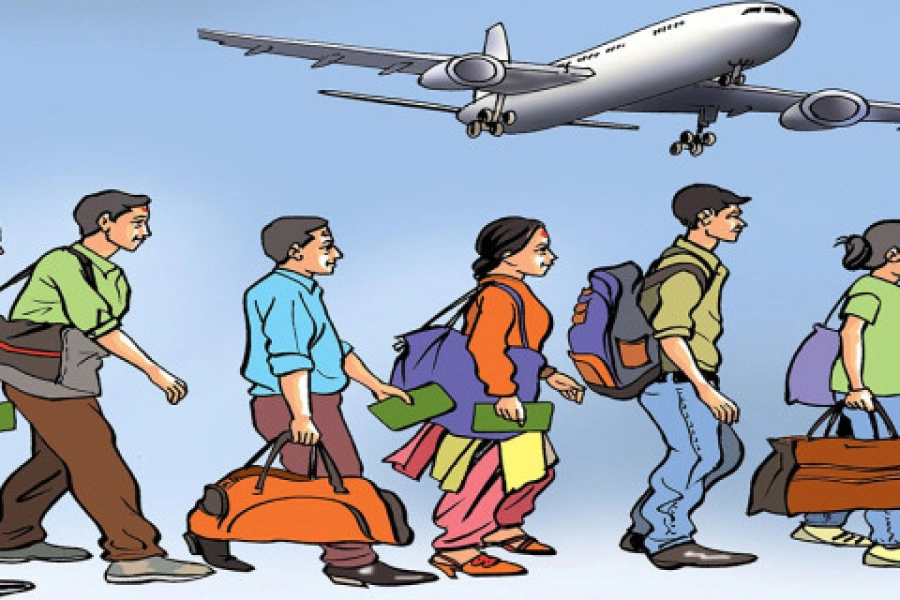
Chewing on this logic myself got me thinking (of things other then dead dolphins) - what if the Nepal Tourism Board could use this strategy to kick off the 2011 Tourism Nepal campaign just a bit early? Nepal Airlines could run a “May Day Meltdown” promo, and offer reduced fares with complementary Red Bull cocktails. And hotels with demonstration-front views could cut rates on rooms facing the fires. Pokhara would also benefit by advertising vacation adventures featuring “just a little bit of revolution with your trek.”
And why not? This new tourist-attracting scheme is already being exploited by those promoting Phuket Island in the south of Thailand, with slogans like “The Best Shopping in Thailand Now That Central World Has Been Converted To An Army Post.” Asian hot spots are expected to fill bookings as they promote Disaster Tourism, as are Greek agents selling devalued holiday packages to the depleted isle of Crete.
Personally, I am wishing I had the bucks for a trip to Biloxi Mississippi, where I could surely get in touch with Nature by wiping down hundreds of gulls with large handiwipes, or perhaps even scrubbing down a sea turtle or two with a bit of Dettol, all at a reduced hotel and rental car rate. Now there’s fun for the entire family.
With that said, I am hoping readers of this paper now see me as optimistic and positive, and not filled with any hatred at all; after all, every disaster is just an opportunity waiting to happen. Or did I get that cliché mixed up? You tell me.
Related story
Dalit and indigenous communities more vulnerable to monsoon-ind...