KATHMANDU, Nov 26: The government has started preparing a new energy mix plan in line with its target of producing 30,000 megawatts of electricity over the next 10 years.
The Ministry of Energy, Water Resources and Irrigation has begun work on a framework to determine the share of electricity to be generated from hydropower, solar, wind and other alternative energy sources.
According to the private secretariat of Energy, Water Resources and Irrigation Minister Biraj Bhakta Shrestha, the new energy mix framework is expected to facilitate the resumption of the long-stalled power purchase agreement (PPA) process. The framework will determine the type and volume of energy projects required over the coming decade.
Power Corridor: A New Dimension of India-Bangladesh Relations

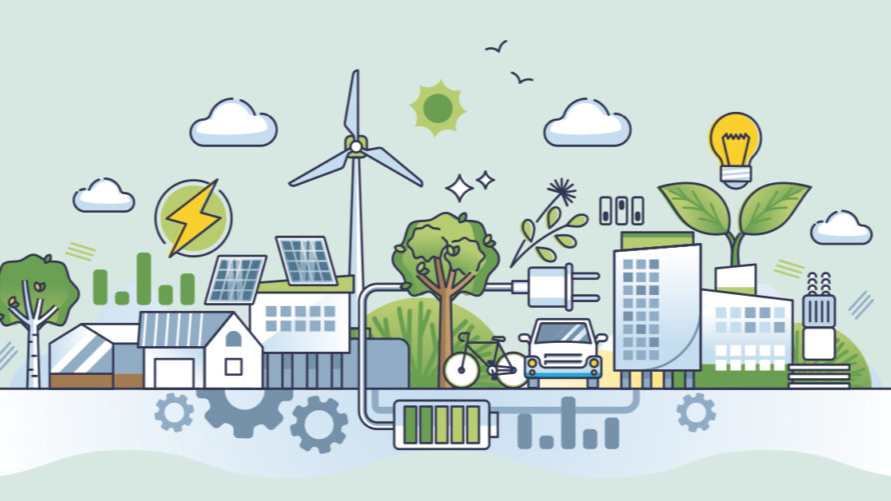
The framework will outline the share of electricity to be generated from run-of-the-river, semi-reservoir, reservoir and pumped-storage hydropower projects, as well as solar, wind and other alternative energy sources. This is expected to help determine the country’s long-term energy needs and production structure.
Nepal currently has an installed electricity generation capacity of around 4,200 megawatts, most of which comes from run-of-the-river hydropower projects. Such projects generate more electricity during the rainy season and less in winter, highlighting the need to diversify energy sources to reduce seasonal imbalances.
Previously, the energy mix was based on a target of producing 15,000 megawatts of electricity. With the government now setting a new target of 30,000 megawatts, a new framework is being developed as the existing ratios are considered inadequate for meeting long-term energy needs.
Once the new framework is prepared, the Nepal Electricity Authority (NEA) will be able to advance the PPA process based on the nature and requirements of different projects. This is expected to bring thousands of megawatts of projects currently awaiting investment into the development phase.
However, increasing generation capacity alone will not be enough to achieve the 30,000-megawatt target. Domestic electricity consumption must also be increased, transmission infrastructure expanded and cross-border electricity trade further developed.
Ensuring electricity availability according to seasonal demand and expanding export markets remain key challenges. As Nepal explores greater electricity exports to Bangladesh in addition to India, a balanced energy mix is expected to support the production of more electricity for export and create greater opportunities to earn foreign currency through electricity trade.
RSS