KATHMANDU, Oct 6: The Nepali Congress (NC) has pledged not to form electoral alliances or make seat-sharing arrangements before elections, saying it will contest elections under its own symbol, programs and candidates.
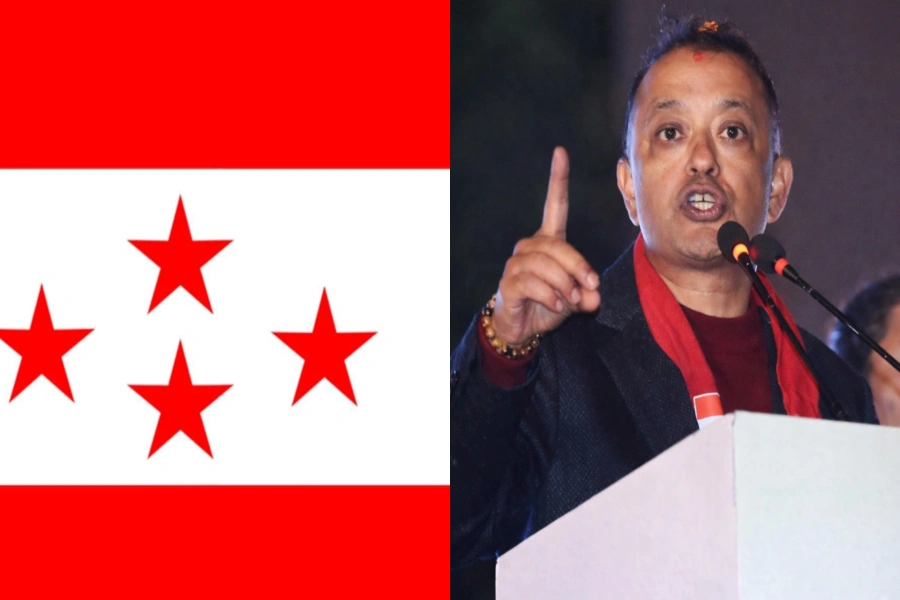
Presenting his political report at the closed session of the party’s 15th General Convention in Kathmandu on Monday, party President Gagan Kumar Thapa said past pre-election alliances had weakened the party’s identity, demoralized cadres and undermined democratic competition.
The report proposes adopting a primary election system to select candidates through direct votes of party members, with merit, integrity, contribution and performance serving as the key criteria instead of factional influence and access.
Poll alliances to continue in Phase II despite poor results in...

It also calls for transforming the party from a traditional power-centred organization, citing factionalism, opaque power-sharing and a focus on gaining state power as reasons for the growing distance between the party and citizens.
The report proposes a constitutional initiative to limit the prime minister to a maximum of two terms, saying this would facilitate the entry of new generations into leadership.
The NC has also pledged to play the role of a strong and responsible opposition, including monitoring government actions, corruption, abuse of power and violations of citizens’ rights. It plans to continue the practice of forming a “shadow government” at the federal and provincial levels to monitor ministries and present alternative policies.
The report proposes an open-source citizen dashboard showing government project progress, budget allocations, actual spending and details of project chiefs. It also calls for a high-level task force comprising independent young experts to study the grievances, aspirations and expectations of the Gen Z generation.
Meanwhile, a political report presented by General Secretary Bishwa Prakash Sharma called for reviving the country’s political culture and reforming the party’s political style and electoral system. Sharma said the Congress must prove itself to be a politically superior force rather than merely an older one.
The report stresses that party leaders and members accused of violating the law should face legal proceedings themselves, while innocent people should not be implicated and the guilty should not be protected through political influence. It also emphasizes democratic culture, institutional dignity, an independent judiciary, and freedom of parliament and the press.
The NC has also unveiled 15 commitments on what its leaders and cadres should and should not do. They include rejecting personality-centered politics, permanent factions, favoritism in candidate selection, opaque party practices, misuse of public office, political protection in legal proceedings and treating election manifestos as documents to be forgotten after elections.
The party has further pledged not to use social media as a platform for internal disputes, ignore young people’s mature agendas because of their age, reduce inclusion to numbers, repeatedly favor the same faces, or place short-term interests above institutions, ideology and democratic values.




.jpg)