All this sounds good but it also appears too ambitious. The move itself is good in that the state has at last started re-emphasizing the importance of job creation -- a crucial factor in the economic cycle as jobs generate purchasing power that in turn immediately boosts demand and production, thereby creating more employment opportunities. However, given a range of constraints the country faces, chances are high the plan to guarantee jobs for the poor might turn into a hallow promise. Given the difficult landscape in the country for business and industry, the target of creating the million plus jobs needed to ensure a job for one member from each poor family is a daunting one.
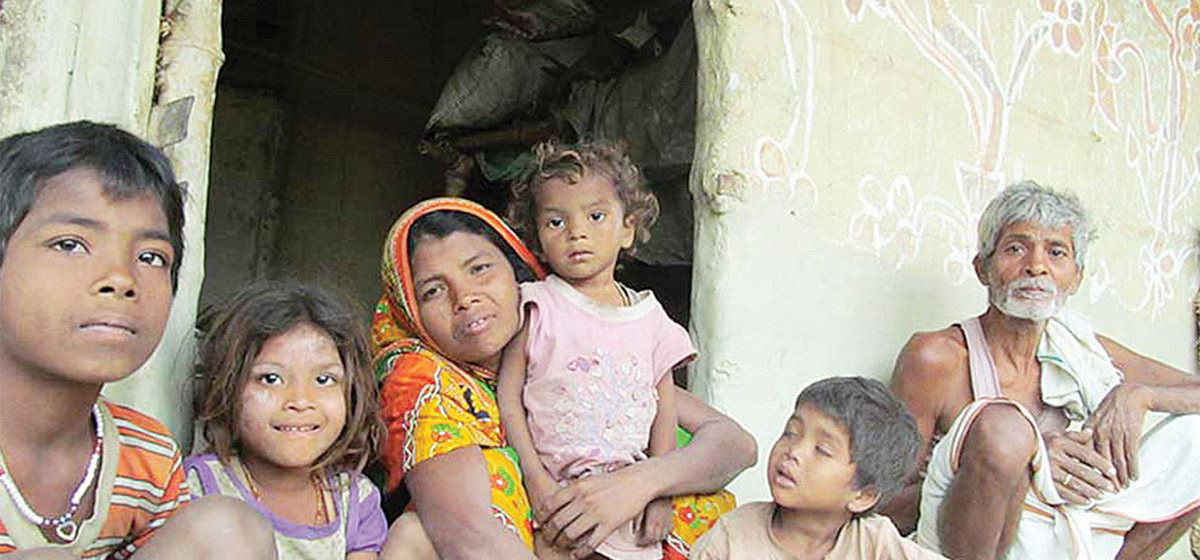
In addition, there is also the huge chunk of 400,000 youths entering the domestic job market each year on top of the 2.5 million who are either unemployed or underemployed, according to the approach paper of the Three Year Plan. Fortunately, the pressure of unemployment has been lessened by foreign job opportunities that absorb around 500,000 youths every year. But the gnawing anxiety and slowly brewing anger among youths from the poorest families who can’t even afford the cost of finding work as a laborer in the Gulf countries is a ticking time bomb.
We have reiterated many times that restoring the badly dented confidence of the private sector is the most powerful means of generating additional employment opportunities. The underlying reality in a country that adopts liberal economic policies is that it is the private, not public, sector that generates the most job opportunities.
Undoubtedly, mega infrastructure projects like roads or hydropower plants create a sizable number of jobs but this is still a mere drop in the ocean compared to the sheer demand for jobs. So, we had urged policy makers to focus on addressing the immense challenges posed by insecurity, labor unrest and acute power shortages – the axis of three evils dogging Nepali business and putting off domestic investors. We believe this is the most effective approach for creating jobs for youths, particularly those from the poorer sections of society.
Related story
Madhesh’s poor struggling to survive winter