

This apex court verdict, important as it is, raises several questions and is likely to provoke debate, even controversy. Leaders of the UCPN-M have already argued that it was wrong to convict Dhungel in the first place, in a killing that took place during the time of the insurgency waged by their party. The Maoist leaders have also argued that the Comprehensive Peace Agreement (CPA) absolves its cadres and leaders of all criminal charges, including murder. We beg to differ. We don’t think the CPA gives immunity to cadres of the Maoist party or to security personnel for crimes of a grave nature that they committed or were involved in-- if it does, that would be a travesty of justice.
We should also bear in mind that the CPA cannot take away the right of a victimized family to move the courts to seek redress for grave injustices inflicted on them. In this particular case, the family took the case to the highest court when the appellate court dismissed their claim. Moreover, since the CPA is part of the interim constitution and the apex court is the final authority for interpreting that document, one must assume that the court took into account the spirit of the peace agreement before arriving at its verdict. As the court has given a categorical ruling in this case, one can safely assume that it does not feel the CPA absolves individuals of grave crimes they may have committed during the decade-long insurgency.
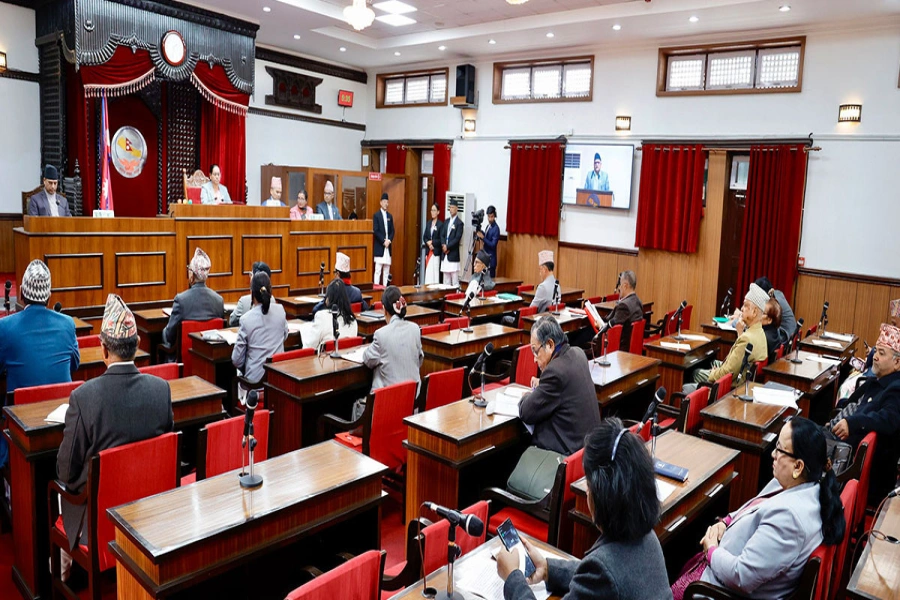
Now that the apex court has made its position clear, two pertinent questions arise: Will the verdict be duly implemented? In a civilized society where the rule of law is upheld and supreme court verdicts are implemented without fail, even raising such a question in an editorial piece should qualify for contempt of court. But ours is a society rife with examples of apex court verdicts remaining grossly unimplemented. The second question is about Dhungel’s membership of the Constituent Assembly and parliament. We don’t think someone convicted of murder by the supreme court of the land can or should play any role in drafting laws and writing the constitution. He should resign forthwith on moral grounds, and if he doesn’t, the Speaker should strip him of his membership.
Related story
SC to deliver verdict on 12-year-old case unheard for years on...











-1200x560-1779450784.webp)


