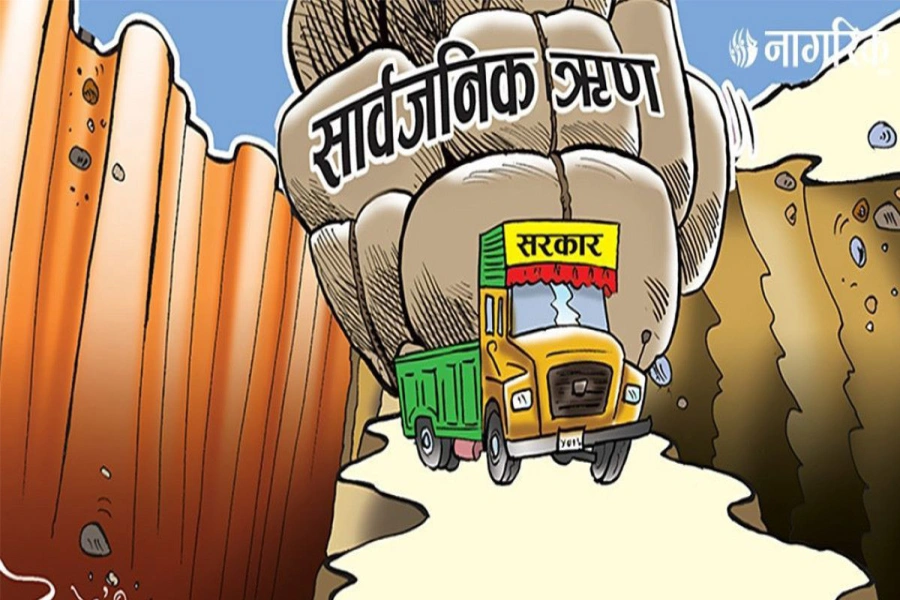
Prime Minister George Papandreou made a dramatic televised statement on the "national need", admitting defeat in his attempts to stand against huge debt and deficits, onslaughts on financial markets, and hoping that German reticence can be overcome.[break]
The EU said immediately that it would give "rapid" and "efficient" treatment to the request, and did not expect any "obstacles", and International Monetary Fund head Dominique Strauss-Kahn said the fund would "move expeditiously."
Strauss-Kahn was to meet Greek Finance Minister George Papaconstantinou in Washington on Saturday where G20 finance ministers are meet over the weekend.
For the European Union and the eurozone, the entire Greek crisis is an enormous blow in terms of immediate stability and prestige, but also clears away some of the damaging uncertainty.
It has caused splits in the eurozone. And it also raises questions about the stature of the euro in the long term as a vehicle for the ambitions of Europe between the United States and the new might of China and India.
"The activation of the (EU-IMF aid) mechanism is a national need," Papandreou said.
"Our partners will do what is necessary to offer us a safe port to allow our boat to float again," he said. This would send a message to the markets that the European Union "is protecting the euro," he said, railing against the previous conservative government and speculators.
"Today the situation in the markets risks ... squandering not only the sacrifices made by Greeks but also the normal functioning of the economy due to the high interest rates," he said.
The interest rate on Greek debt dropped sharply in the first few minutes after the announcement but soon moved back up to 8.55 percent against a background of uncertainties about Greek data and procedures for a rescue to be enacted.
The Socialist prime minister, elected in October, accused the previous government of making "criminal choices."
His address also had the stature of an appeal to the nation which faces unprecedented austerity, just the day after the latest in a series of strikes against massive reforms under way.
But Greece is in a desperate dilemma, and its credibility has been fatally undermined by a series of statements showing that it has misreported key data for the eurozone ever since it gained access as an early member.
The country has overall public debt of about 300 billion euros (399 billion dollars) -- or twice the debt of Britain, a far bigger economy.
The latest, fatal shocks came on Thursday when the EU said it now estimated the public deficit last year at 13.6 percent instead of 12.9 percent, with more to come if data turned out to be wrong.
Moody´s credit rating agency downgraded Greek debt and warned it might downgrade further, and the rate Greece must offer to borrow jumped above 8.8 percent.
It all added up to a "hellish week" in the words of one analyst. Some compare the situation to a debt disaster in Argentina in 2001, and suggest that Greece will end up restructuring its debt.
"A terrible situation just got worse," said Fortis Bank economist Nick Kounis before the appeal for help. At Lloyds Banking Group, Kenneth Broux said: "Events in Greece are close to spiralling out of control."
On Wednesday, the IMF warned that the Greek situation could spread to other weak countries in the eurozone, where Portuguese debt yields shot up on Friday, and that this could lead to a "full-blown sovereign debt crisis".
The crisis is a grave blow to the credibility of the EU and eurozone and has undermined the stature of the European Central Bank.
Germany is furious that Greece was able to borrow for years at rates close to German rates by virtue of being in the eurozone, but on misstated data which EU authorities let pass.
Germany remains central to the rescue, since it is reluctant to allow Greece steeply concessionary rates, of around 5.0 percent. Chancellor Angela Merkel is under pressure from hostile public opinion and a risk of action before the constitutional court.
Shortly before Papandreou made his appeal, German Economy Minister Rainer Bruederle in Berlin told parliament that the eurozone and IMF stood ready to help Greece "as a last resort".
Related story
ICC T20 World Cup: England set Nepal a challenging 185-run targ...















-1778746562.webp)