

On December 2, Chief economic advisor to PM, Rameshore Khanal, presented some important economic indicators in the first PM Economic Advisory Council meeting, where he shared good results, almost on all fronts—agriculture, remittance inflow, tourism, exports, balance of payments, foreign exchange reserves, etc. The only exception was inflation.
Currently, the major drivers of the national economy are agriculture, remittance and tourism. We witnessed unprecedented growth in agriculture production this year mainly due to good rainfall. Remittances have increased as a result of sustained demand of blue-color laborers in Malaysia, Qatar and other Middle Eastern countries. Also, the majority of unskilled and semi-skilled laborers are going abroad for work as the productive sectors are not growing in Nepal.
Similarly, tourism has seen a surge in 2011 due to Visit Nepal Year initiatives and more so by word of the mouth. Now with US declaring Nepal a safe destination, we expect an even bigger increase in tourist inflow during 2012.
If one analyzes the factors behind growth in the above-mentioned sectors, it’s evident that they are growing not because of any strategic policy initiative but due mainly to external situational factors like good rainfall, higher demand of labor force from certain countries and geographical beauty of Nepal. So, are we only geared up for development by default?
What do we need, then, to build on our strengths and help vital sectors prosper? We certainly need good irrigation throughout the country, after which our reliance on Rain-God will certainly be minimized. We need domestic manufacturers to open new factories, and add new plants and machineries; and in doing so, also increase local employment opportunities. Similarly, to accommodate up to 1.5 million tourists in 2012 we need big investments in Five-Star hotels. If Indian hotels can charge US $500 per night, why can’t we charge at least $300 per night? But for this, we need political stability and lower interest rate regime.
Lower interest rates will boost GDP and exports, improve BOP, create job opportunities, lower inflation and increase forex reserves.
Interest rates over the last two years have increased by more than 50 percent. Owing to tight liquidity situation, productive sectors tolerated such an increase. The 91-day treasury bill rate jumped to the high of 9 percent and interbank rates soared to 14 percent at one point. But now, treasury rates are below 1 percent and interbank transactions are virtually non-existent. The good borrowers have, over time, kept servicing such exorbitant interest rates. Isn’t this the right time to show some reciprocity by decreasing the interest rates significantly—not by mere 25 or 50 basis points?
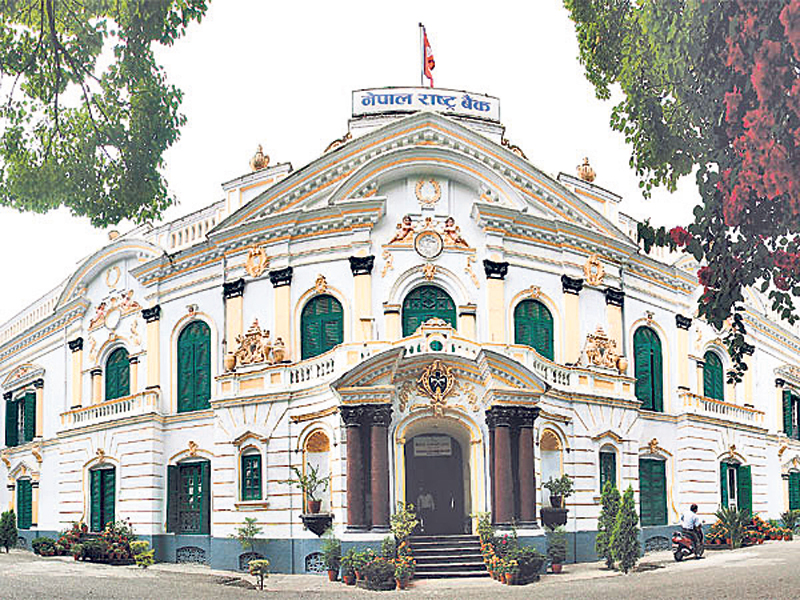
On one hand, economic development leads to better profits for bankers; on the other, the banks can help economic development by lowering ‘cost of funds’ for the productive sectors by lowering interest rates. NRB’s recent decrease of re-finance rate for hydropower segment is commendable; and subject to hassle-free operational mechanism, availability of loans at 10 percent for hydro segment will certainly boost this sector. This initiative has been hailed not only by hydro entrepreneurs, but also by the practical bankers.
At this point in time, almost all Bank Treasuries are sitting on idle cash to the tune of anywhere between Rs 500 million to Rs 3 billion and because banks cannot park this bulk amount at desired rate of return, they have not been able to decrease interest rates to good borrowers. I suggest NRB revisits the existing Open Market Operations under Liquidity Management Framework and provide Standby Investment Facility (SIF) to bankers, through which any bank can invest their surplus funds with NRB at say 5 or 6 percent, at any time they desire.
This mechanism is working perfectly in India. This will certainly help in decreasing interest rates for good borrowers, which will result in increase in GDP, greater exports, better BOP, higher employment, lower inflation and better forex reserve. Let’s stop passing on inefficiency of the banking system over to the good borrowers.
The author is a Member of PM’s Economic Advisory Council, CEO of PrimeLife and Chairman of KFA. The views expressed are personal
Related story
Revised interest rate corridor system introduced





-1778925320.webp)





