This shortfall will further deepen the food crisis for the many people who have already witnessed a massive loss in winter crops and who are thus already living through a severe food shortage.
“The people in the remote districts are going to face even tougher time in the coming months. And they´ll have to bear their sufferings until the next paddy harvest.” Dr. Hari Dahal, spokesperson of the Ministry of Agriculture and Co-operatives (MoAC), told myrepublica.com.
A crop-assessment report published by the World Food Program (WFP), the UN food agency, stating that the delayed rains and the subsequent late plantation of maize had resulted in the poor germination of the maize plants, corroborates Dahal´s claim.
The losses projected for the summer comes on the heels of equally dismal reports for the extremely lean period Nepal has just seen. The government announced earlier that as a result of the winter drought, some districts in the Mid-and-Far Western regions of the country have already experienced crop-production losses of as much as 50 to 70 percent, which pushed more than two million people into the high-risk-of-food-insecurity group. That´s because this year, wheat and barley production, the other major staples, had dropped by 14.5 percent and 17.5 percent respectively as compared to last year.
Responding to the worsening food situation and to the coming extended season of shortfall, the WFP has increased the number of beneficiaries of its food aid program to 2.2 million, from the existing 1.5 million people: it is increasing the amount of food that it will provide for 2009 by 36, 821 tons, to 183,671 tons. Similarly, Nepal Food Corporation (NFC)--the state-owned entity responsible for buying and distributing food--has also increased the quantity of food to be delivered by it to the food-deficit districts.
“We have set a target of delivering a total of 170,000 quintals of food, worth Rs 550 million; that target represents an increase of 60,000 quintals from the originally planned 110,000 quintals,” says Bijay Dhwoj Thapa, the deputy general manager of the NFC. Last year, Rs 370 million was spent on 120,000 quintals of food and for providing a transportation subsidy.
But despite all the good intentions and plans made to help the people in the remote regions in Nepal, the people have had to deal with so many food-related problems that helping them out is getting tougher and tougher. For example, the distributing of the required food grains in the food-deficit districts was hampered by the frequent bandas and, ironically, even by the monsoon rains.
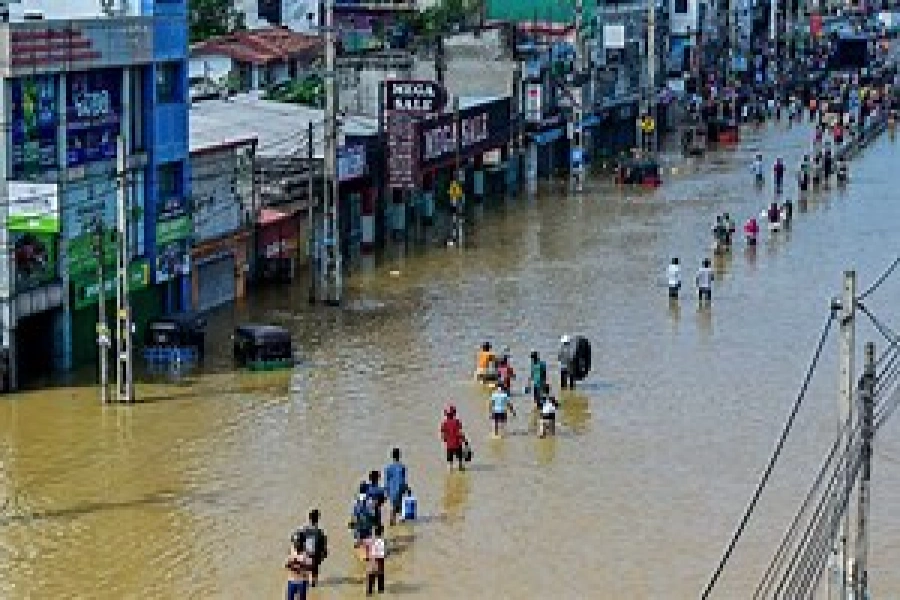
“The heavy rains this monsoon has caused landslides and floods, making it extremely dangerous and difficult to deliver food to these areas,” Richard Ragan, country director of the WFP, Nepal, told myrepublica.com.
Besides the transportation problems, the NFC is also facing other difficulties in carrying out its task because the number of its food distribution depots was reduced to 12 during the insurgency period, from the original 58 of earlier years. The NFC had actually made a proposal last year to the Ministry of Commerce and Supplies to increase the depots to 114, to ease the supply. But the ministry has put the proposal on hold, citing a fund crunch.
As if all this weren´t enough, the market forces too are not on the suffering people´s side. For example, the people could have probably switched to consuming rice in any other season where maize had suffered had a huge shortfall, but the winter drought has pushed up the price of all major food commodities, including rice.
prabhakar@myrepublica.com
Related story
Green leaves production down by half