As in any regular family, my son Krit's birth brought enormous happiness to our home. He was the first grandchild to both parental houses, making him special from the very start. People often commented on how he might be one of the best-looking kids they had seen. He grew in the family bestowing joy to all of us surrounding him.At about 18 months old, we noticed that he was a bit different from other kids; he would be pacing in a room whole day, spinning kitchen utensils and take our hands to object he wanted without meeting our eyes. He didn't speak to ask for things but he would continuously hum nursery rhymes. It was evident that he was quite smart but peculiarly different at the same time. Casual doctor visits never gave any clue about his difference in development. All of us thought he was just a late speaker.
Until one day, when he was 28 months old, a doctor colleague of mine said that Krit showed all signs of having a special condition called autism. We didn't know what more to do to help our son.
Autism carries a unique challenge of invisibility. As a parent it is sometimes difficult to accept this diagnosis as the child looks as physically fine as any other child. No parent is ever prepared to hear that a child is anything other than happy and healthy and a diagnosis of autism can be particularly frightening. I was not sure how my journey to this new life with autism would unfold. I did not know what to expect.
But I somehow felt that if I want to help my son, I need to understand this whole new language of autism. I got myself enrolled in a parents' training program in Delhi. The training period was very rewarding as I and my husband could spend time thinking of the best intervention for our son. It often scares me to look back on how different things would have been if I had not enrolled in that training. The training was an eye-opening introduction at the start of my journey to understand autism. It helped me cater to the special needs of my son. It helped me embrace his areas of weakness along with his various areas of strength.
After the completion of the training, we started looking for other parents who had a child with autism. We met a few and we started a parents' network. This network in 2008 took the form of a parent-run NGO, which is currently known as AutismCare Nepal Society (ACNS).
ACNS started its journey with a group of parents who came from different professional backgrounds yet had similar personal experiences. Each of us wanted to contribute to the uplift of the autism community in our country.
Autism is the third most common developmental disability in the world, making it a global health concern. Organizations like UN and WHO have been addressing its global rise. UN has designated April 2nd as World Autism Awareness Day. WHO subsequently passed several resolutions on autism and declared autism as a global public health crisis. While there were already national laws and policies for autism in developed countries, people in Nepal were rarely aware of this condition. Lots of children in our society at those times received an incorrect diagnosis of 'intellectual disability' instead of autism.
ACNS thus helped raise awareness among parents, teachers, health professionals, government officials, and organizations dealing with disabilities. We pitched for inclusion of autism in National Disability Act. We continue to work in areas of health, education and social security for autistic children.
Autism calls for multi-disciplinary expertise to provide relevant therapies, which is one of the big challenges we face. I, as a parent myself, realized my involvement could make a big difference in my son's progress. I knew this should be the baseline in a country like ours where we don't have luxury of tailored therapies. So we started a 12-week, comprehensive "parents child training". We have been providing this training since 2009 and have successfully trained over 200 families from different parts of Nepal till date. We believe inclusive education is ideal to tackle any form of disability including autism, and we continue to advocate for this and train and educate teachers on these issues.
In a few years' time, we have been able to make a difference in the areas of awareness, advocacy, training parents and teachers, diagnostic and therapeutic intervention and human resource development. As a nonprofit NGO where diverse group of dedicated and passionate parents are involved, it is functional through personal donations from national and international supporters. While ACNS is the ray of hope to thousands of parents of children with autism, it continues to face various challenges in terms of professional availability and financial limitations.
However, I am hopeful. If our small effort to help our son has turned out to be such a big campaign, touching the lives of hundreds of other children like him, I can't imagine how much more we could do together if more of us joined this initiative.
My son's diagnosis has led me on this path with love, passion and commitment. My son has taught me more about life and has made me a better person. He has filled my life with joy and empathy with every little progress he makes. While it is true that autism is not something a person simply "grows out of" there are many treatments that can help them learn new skills and overcome a wide variety of developmental challenges. With the right treatment, and lots of love and support, your child can learn, grow and thrive.
Our children didn't choose to have autism, but it has become an undeniably reality of their lives, presenting them various difficulties in communicating, understanding social rules and reciprocating effectively to their surroundings. Our society needs more awareness and education on this matter to minimize the stigma regarding people with autism. Even the smallest help could contribute to make their life more comfortable. They deserve to be included in the world we live and for this let's try to understand autism. Instead of focusing only on their weakness, let's focus more on their strengths and help them be functional. It is about time we addressed this condition with the seriousness and empathy it demands.
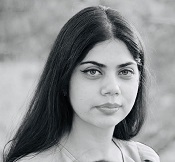
The author is Chairperson of AutismCare Nepal Society. The society is organizing an awareness program on the premises of Patan Durbar Square from 4 pm onwards on World Autism Awareness Day on April 2nd. Interested individuals are cordially invited.
Related story
Expecting mothers and new mothers found receiving less counseli...