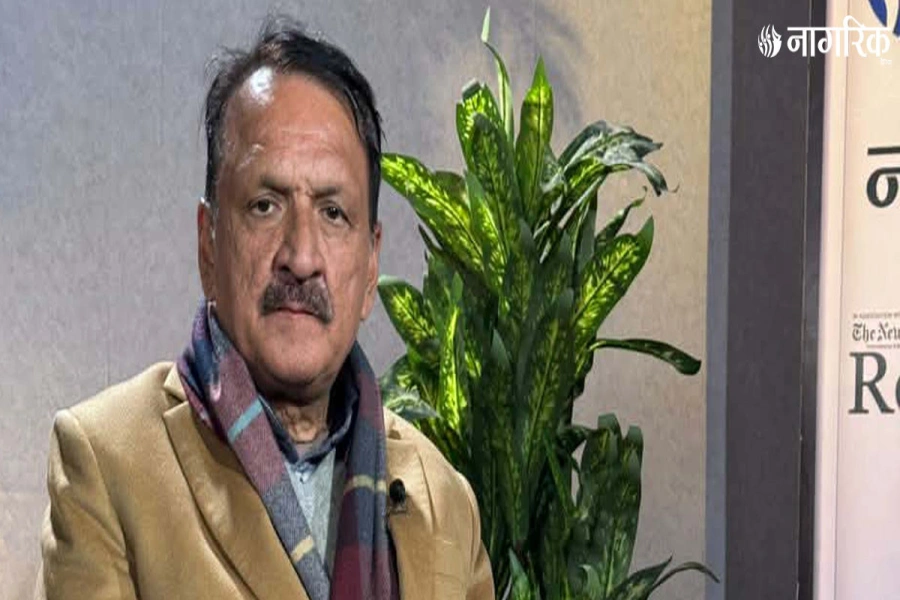
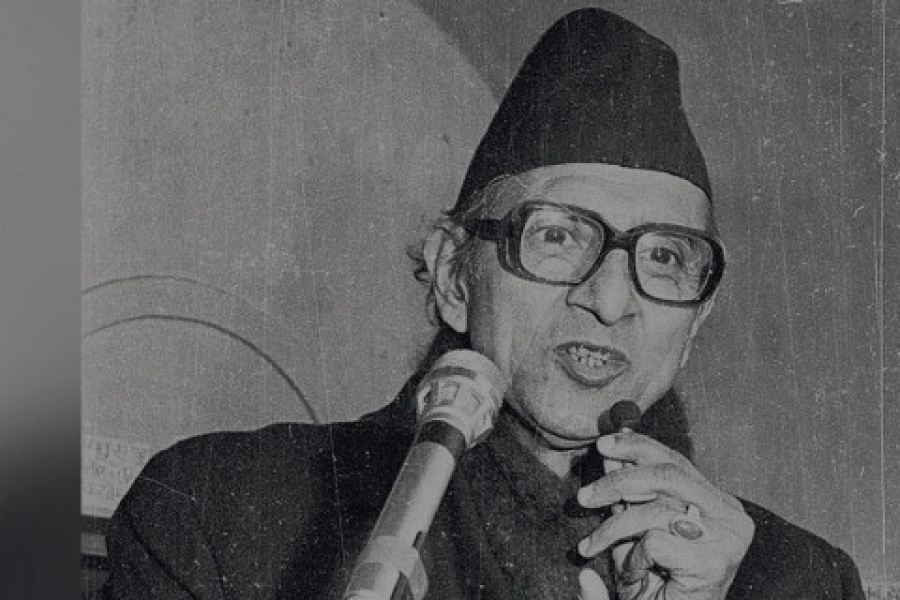
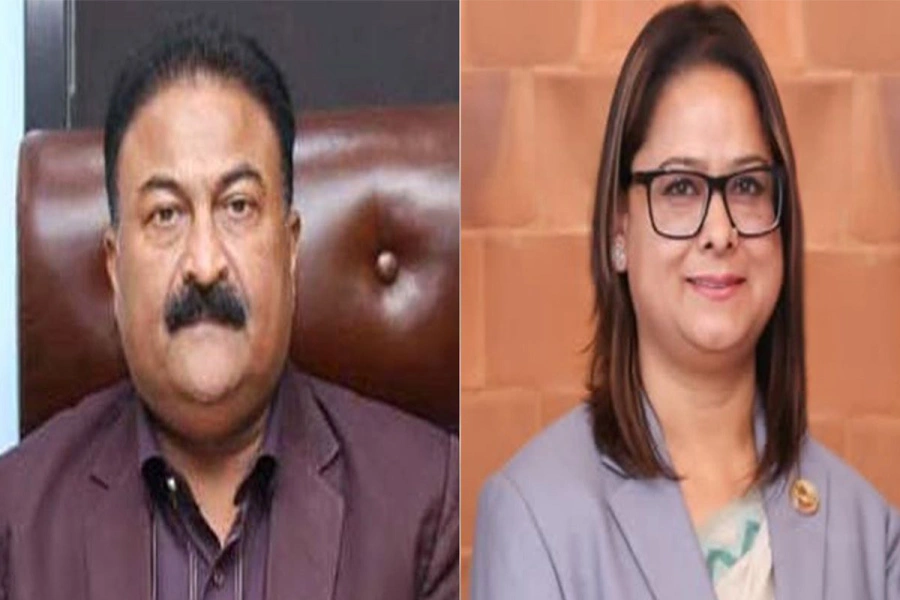
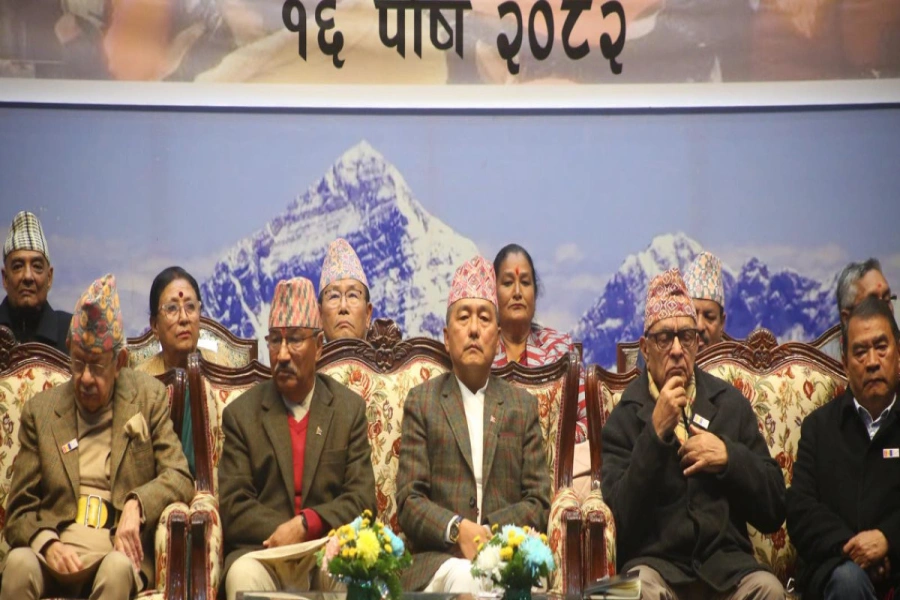
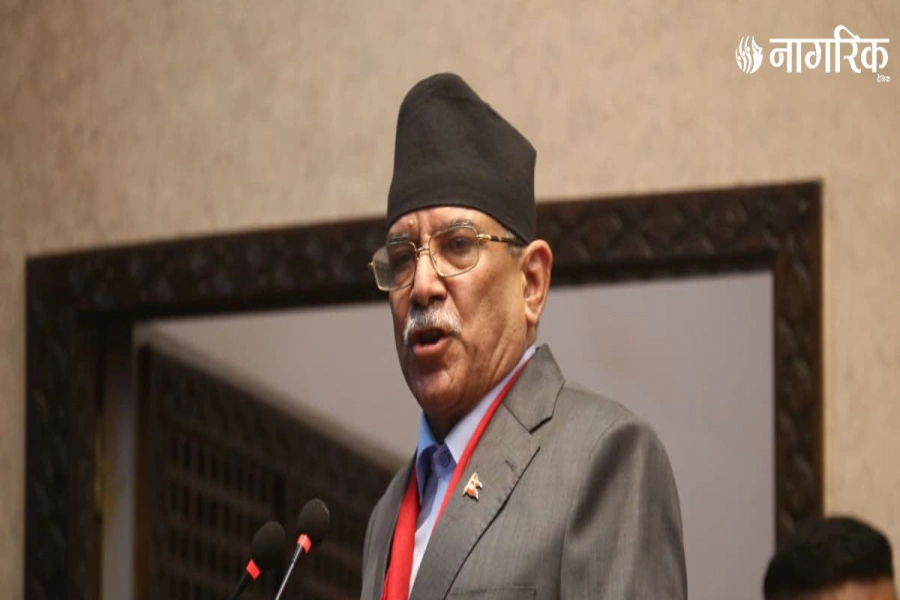
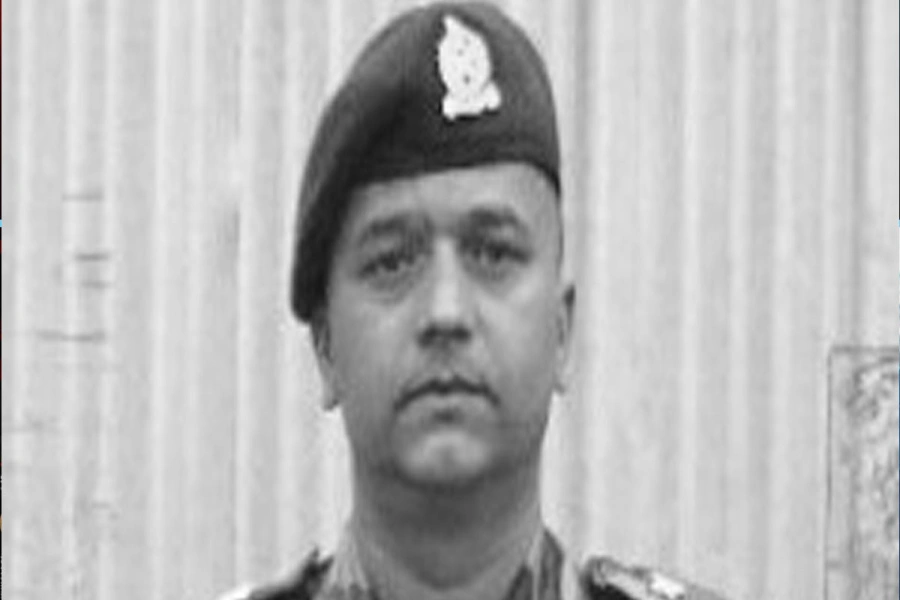
Shrestha served as the prime minister since June 1986 to April 1990 during the autocratic Panchayat regime. As the people´s movement against the autocratic Panchayat regime gathered momentum and thousands of protestors took to the streets in the capital and other parts of the country, late King Birendra had removed Shrestha from the post and appointed Lokendra Bahadur Chand as the prime minister.[break]
But, the anti-regime protests continued forcing the king to bow to people´s power. Thirteen days after Shrestha was removed from the prime ministerial post, the king on April 8, 1990 announced the end of the Panchayat system and the beginning of multi-party system with constitutional monarchy.
Born and brought up in remote Salyan district, Shrestha was a teacher for many years in his own village Khalanga.
After completing his secondary level education, he taught at the same school. “Then he went for higher studies. After completing his education he returned to his village to teach in the same school for several years,” reminisces Shrestha´s classmate Nilambar Acharya, chairman of the constitutional committee of the dissolved Constituent Assembly (CA).
Later, Shrestha joined Panchayat politics and even became the prime minister.
Many prefer to remember him as a nationalist leader, arguing he didn´t compromise on national issues. During his tenure, democratic forces such as Nepali Congress (NC) and communist parties had jointly intensified anti-government protests, while India imposed a ban on export of petroleum products, among other essential goods, to Nepal.
“He imported petroleum products and other daily necessities for the people from other countries via air but didn´t compromise on issues of national interest with India,” said Rastriya Prajatantra Party leader Prakash Chandra Lohani, who became minister many times during the Panchayat regime. During the last days of the Panchayat regime, India had closed all the transits to Nepal, except one.
However, there are others who believe Shrestha´s actions were not guided by his independent policy but had only followed the policy and instructions of then king. Among other issues, policies relating to external affairs, defense, security and finance were the direct concerns of the palace during those tumultuous years.
“However, the prime minister used to be the main advisor to the king and his say would make much difference,” said Lohani.
Though many leaders from NC and communist parties, who fought for democracy during the 1990s, accuse him of suppressing the people´s movement, many politicians who knew Shrestha closely appreciate him for his simplicity, honesty and straightforwardness.
“He worked for the Panchayat system as per his conviction. With the end of the system he remained inactive in politics and maintained a low profile,” said Acharya. “It is a good example in our society because leaders usually don´t voluntarily retire from politics until the last.”
He is widely believed also as a leader with a clean image. Family members said they were under huge financial strain while providing him medical treatment during his last days. “While leaders in our country misuse the state coffers for their personal benefits without qualms, Shrestha didn´t even claim state facilities after his retirement,” said Lohani. “After his retirement, he was busy with poultry and cattle farming in Kathmandu.”
Related story
Eight including actor Marichman Shrestha arrested on charge of...