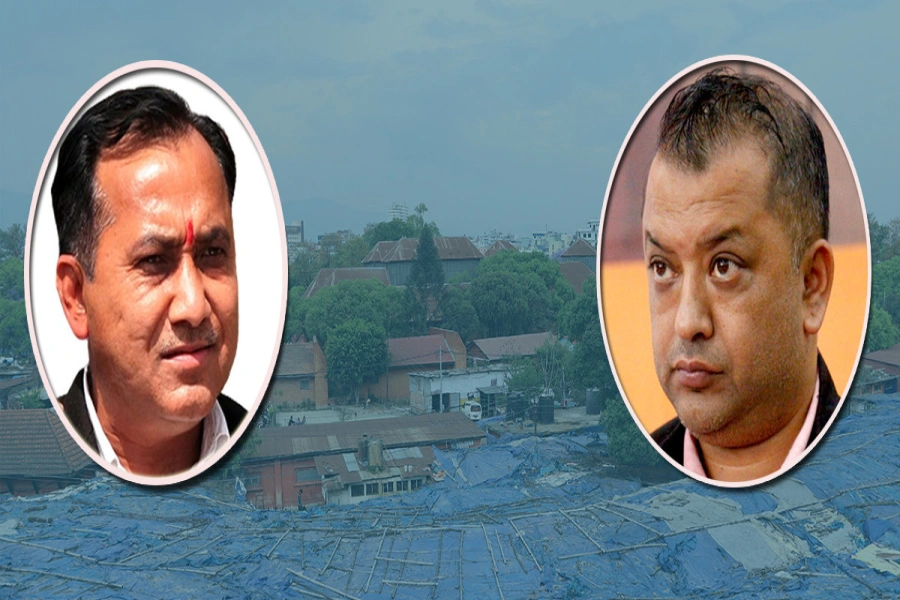
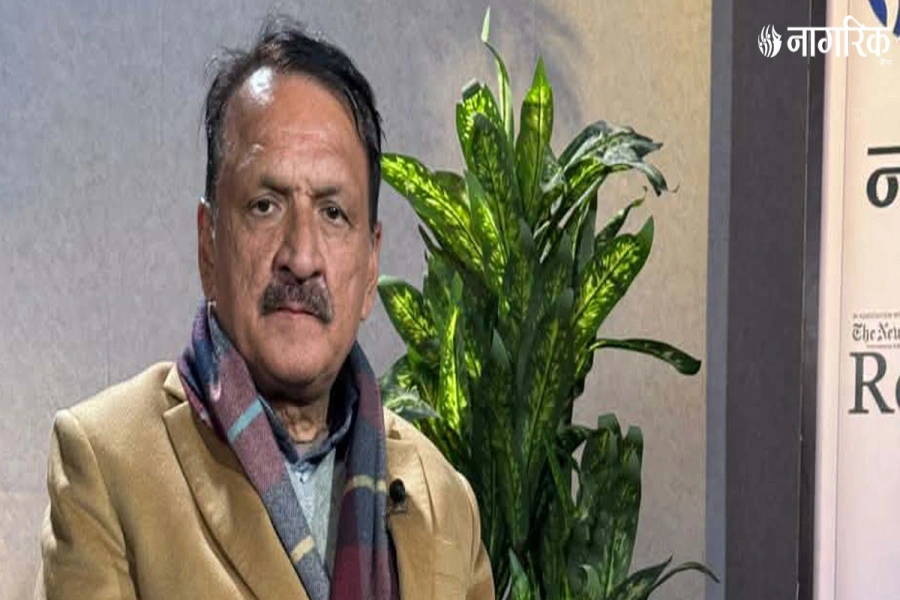
Adhikari said there are still major differences of opinions mainly on the principles to be enshrined in a new constitution. The differences, according to him, still exist over issues like federal vs republican form of governance, federal democratic republic vs people´s republic, pluralism vs multiparty system, and constitutional supremacy vs people´s representation.
Speaking at a program organized by the Management Association of Nepal, Adhikari said, “There are differences on the issues of right to property, evolution vs revolution, restructuring of state, and people´s ownership vs party´s ownership in the CA, especially with the Maoist lawmakers.”
Moreover, Adhikari blamed the Maoists for forgetting the people´s aspirations and trying to impose its politburo decision on the CA. “The Maoists won most votes as they stood for direct election of the President for example, but the party compromised on this through its politburo decision.”
He was of the view that right to self-determination, distribution of natural resources and ethnic communities´ demand are threatening the unity of the country. He further added that unless a consensus is formed among the major parties on major issues, the constitution-drafting will be very difficult. Pointing at the ideological difference (liberal democratic values or Marxist doctrine), Adhikari also said, if the parties fail to build consensus then "we will produce a constitution as an experiment on not an established model.”
Related story
Way to solve India-Nepal border dispute