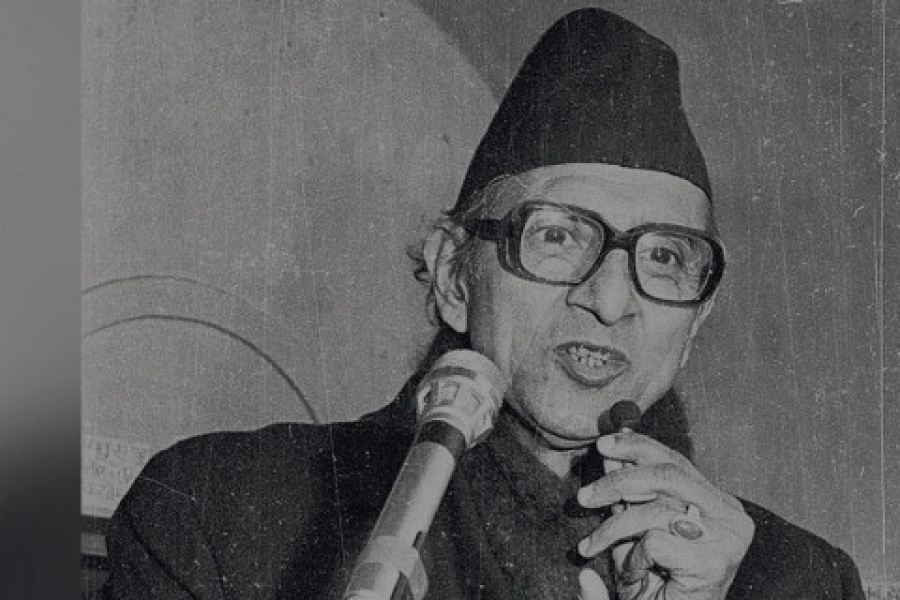
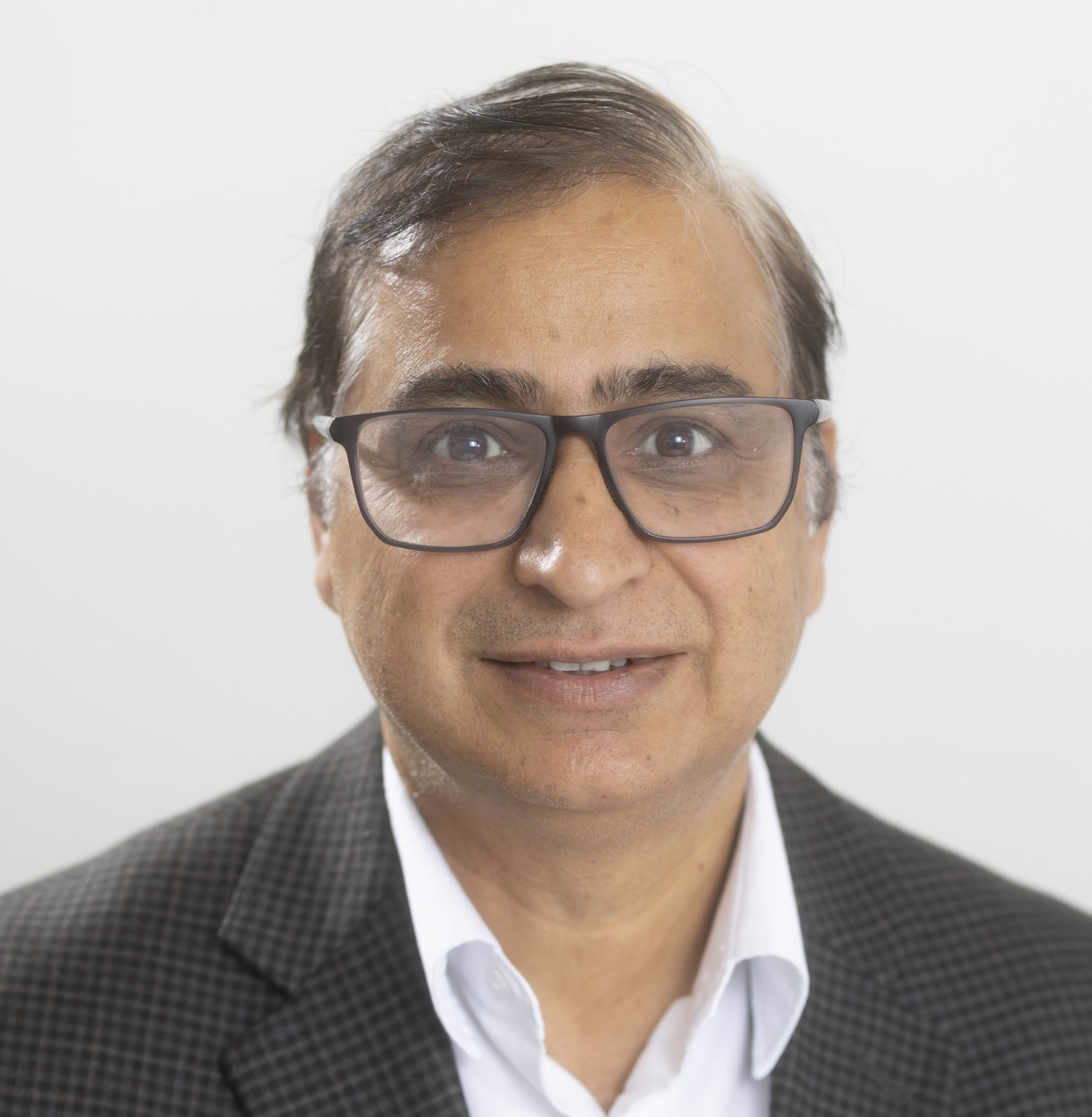
In an article published in the Economics of Peace and Security journal he prescribes three salient ideas for developing communal harmony. I summarize them here and relate it to the Nepali context.[break]
His first idea is that there should be gains from an exchange between the ethnic groups. That is, one group should rely on the other group for prosperity. That way both the groups benefit by coming together. In contrast, if two groups compete, it can lead to ethnic tension. For example, trading partners have cordial relations because they depend upon each other, while immigrants and locals generally have tense relations because they compete for jobs.
His second idea, related to the first, is that it should be difficult for one group to steal or duplicate the other group’s expertise. This is important because, if group A can do the same things as group B, group A no longer needs group B. This can reduce the need for the groups to be civil towards each other.
His third idea is to have a non-violent mechanism to redistribute the benefits of co-operation. If one groups benefits disproportionately, then the other group doesn’t have incentive to cooperate. And in the absence of non-violent mechanism the losing group will resort to violence to get a fair share.
It is not difficult to relate his ideas with the ethnic tensions in Nepal. A little thought shows that when it comes to interdependency among ethnic groups, there has been very little in Nepal. True, the Madhesis and Janjatis needed the administrative skills of the Pahadi upper cast many decades ago, but not anymore. Increasing literacy rate and urbane exposure has lead Madhesis and Janjatis to compete, rather than depend upon the skills the Pahadi upper cast. The Pahadi upper cast on the other hand has hardly been dependent upon the Madhesis for survival, or prosperity. So they see no need to be been civil toward Madhesis.
Moving forward, the challenge is to find ways to make sure that the relations between ethnic groups improve. Going by Jha’s suggestion, we need to devise a system, where one group depends upon another, thereby being forced to cooperate and be civil to each other. Further, we need in place an effective non-violent mechanism which all parties rely on in resolving disputes.
MAKING ETHNIC FEDERALISM WORK

Ethnic federalism, rather than sour relations between ethnic groups, might increase cooperation among them.
One way to achieve what Jha is prescribing is to have ethnic based federalism similar to the one passed by the State Restructuring Committee. It will make one ethnic group dependent upon another. Take for instance the harnessing of much talked about hydro-electric power. Ethnic states will create power centers, whose acquiescence will be necessary to build large dams needed for hydroelectric plants.
In the absence of ethnic states, and demarcation similar to the five Panchayati development regions, each state will look similar. There will be no dependency of one ethnic group on other. There will be no permission necessary from different groups to harness power. And since each state will be a mini Nepal in terms of ethnicity, most of the activities among ethnic groups will be competitive, where they will be competing for resources in the state.
Economists in Nepal have argued that, because it will be easier to harness resources such as hydro-power, we need to have states like the Panchayati development regions. At first glance this argument appears intuitive. There will be less hassle to get the project going. There will be no need to ask permission from the chief ministers of three states that are comprised largely of three different ethnicities to come to the negotiating table. This sounds efficient.
The only problem is that it will not build cooperation among different ethnic groups.
Having ethnic federal states will not be sufficient, however. As Jha points out, a non-violent mechanism to protect each group’s rights, and to make sure one group does not exploit another is at the center of successful communal relations. To do this, we need a strong and fair judiciary, and a strong central government.
So far, the debate on ethnic based federalism has ignored the possibility that one of the benefits of ethnic federalism is that it might increase cooperation among ethnic groups. Rather, what we have heard most loudly is how it will sour relations. From the Pahadi perspective, the narrative has been that Madhesis and Janajatis are taking advantage of a weak government and pushing their agendas to the extreme. From the Madhesi and Janjati’s perspective the narrative has been that they have been exploited for centuries, and the exploitation will continue unless they resist—and resist hard.
An alternative view is necessary for this debate. Ethnic federalism need not be viewed as one group giving up rights for another group, but rather a mechanism that will force cooperation among different groups and build a long lasting mutual trust.
680anand@gmail.com
Related story
Concerns arise over dubious networking business ‘Indian Vestige...