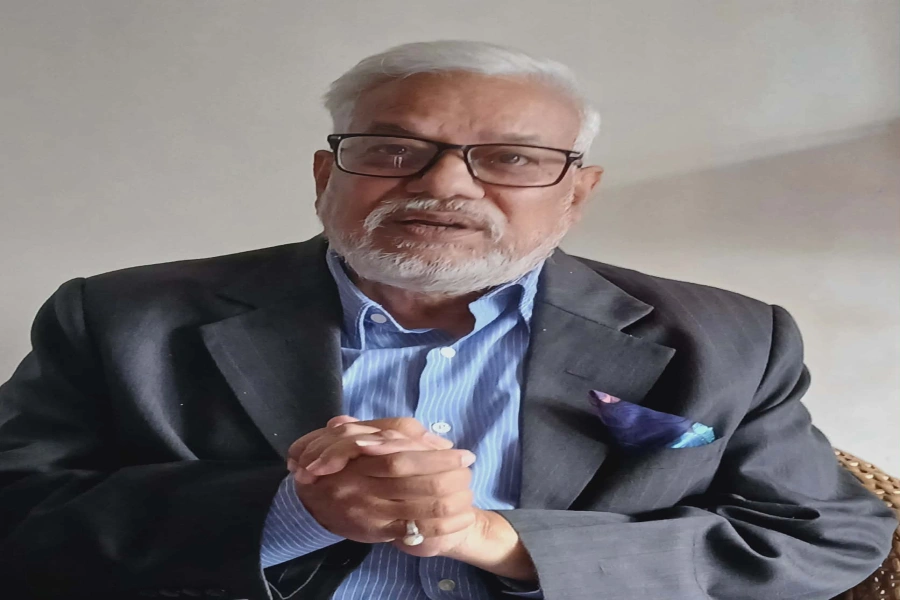
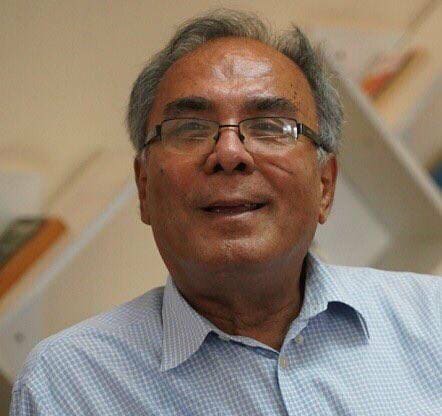
“To grow up as a Dalit in Nepal means you face discrimination at every stage of your life,” he said to Republica of his marginalized caste.[break]
Times have changed in the last 20 years – yet not nearly enough, according to research led by Vishwakarma that was released this week through the Feminist Dalit Orgnization (FEDO).
The report, Tracking of Public Services towards Dalits and Marginalized, details the disadvantaged lives of 467 Dalits from Dhanusa, Kavre, Bajura and Bajhang.
Compared to non-Dalit respondents, discrimination is still markedly higher for them in public spaces, such as at water sources and local tea shops, and in the houses of the upper caste.
For instance, 70 percent of Dalits in Dhanusa face scrutiny at water sources, compared to just 18.2 percent for the region’s non-Dalit population.
Over in the district of Kavre, an experience that marked Vishwakarma’s childhood is still commonplace: 64.2 percent of Dalits face discrimination in the homes of upper caste Nepalese.
But it’s the study’s conclusion about the public sector, via a detailed look at marginalized groups’ access to and knowledge of government initiatives, that is particularly damning.
Only a quarter of those who responded are receiving help from public services, with just 60 percent even aware such help exists.
Vishwakarma said this is evidence that investment support is having a “negligible” impact on those who need it most, with “money simply not reaching them”.
Scholarships set aside for Dalits – a major focus of education development – are being used sporadically, with 35 percent of those in Kavre not accessing this entitlement.
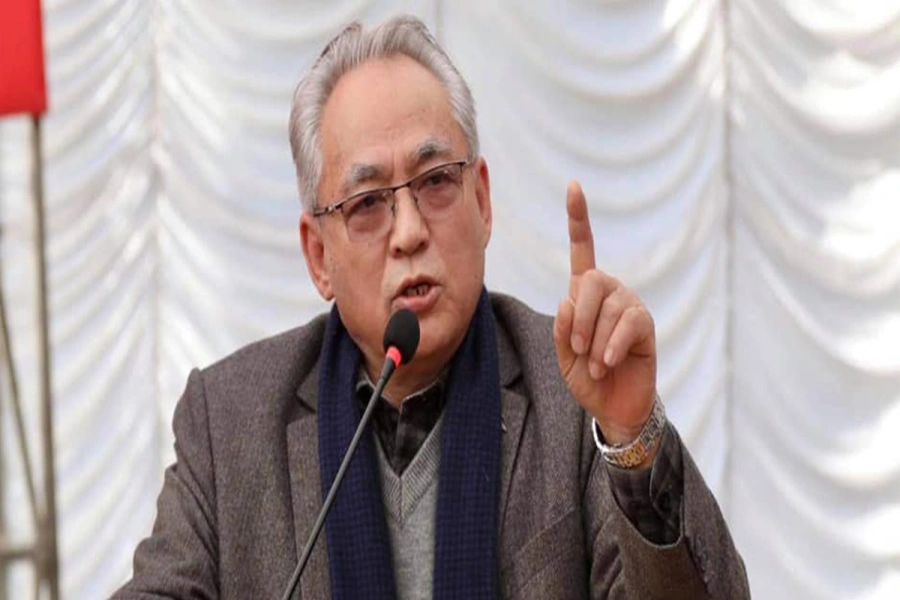
Dipendra Bahadur Kshetry, Vice-chairman of the National Planning Commission (NPC), told Republica that the biggest concern raised by the report was about these statistics regarding education.
“The most important bit to make sure is implemented is the scholarships,” he said, adding that Dalit education benefits are “not being implemented as they should be”.
He blamed an existing lack of education and literacy among marginalised people as a major reason for their lack of awareness about entitlements.
”If they don’t know what the alphabet is, how can they be articulate about their rights,” he said of the problem.
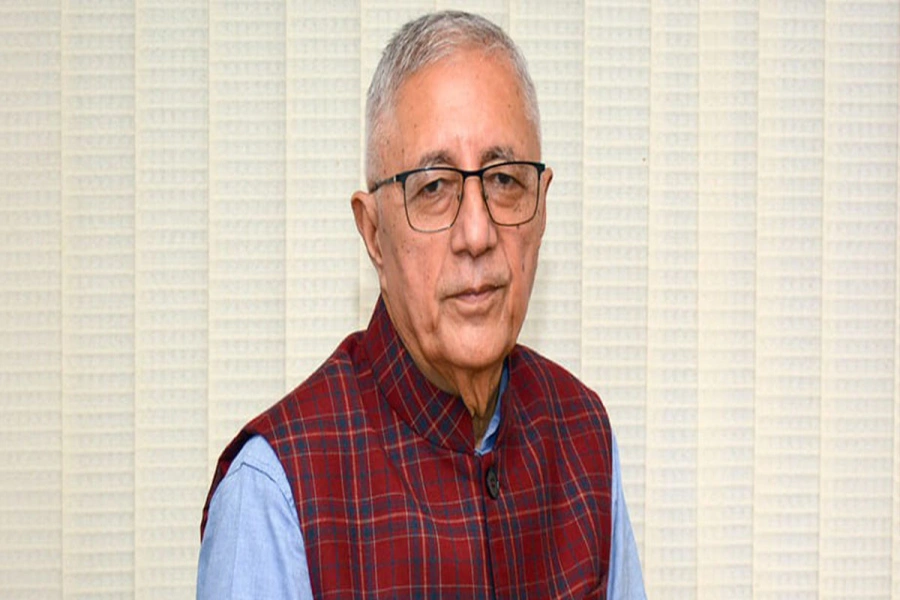
Richard Holloway from the World Bank – which funded the FEDO report through the development program PRAN – said the issue is more complex than literacy.
“There are two sides to this. People aren’t asking what they’re entitled to, and then people aren’t telling them what they’re entitled to,” said Holloway.
“So both sides need to get better at that,” he said.
Vishwakarma said "social accountability" needs to be embraced in relation to public services, both by those providing and those accessing amenities.
PRAN will be releasing concrete implementation recommendations from the report´s research by the end of 2012.
NPC Vice-chairman Kshetry said that while the report was “a positive” it would be hard to implement the recommendations as it wasn´t conducted via the bureau of statistics.
Other areas of concern highlighted by FEDO´s report include marginalized groups’ access to provisions, with two-thirds of respondents having less than nine month´s food sufficiency.
Yet there are positives: more than 90 percent of those surveyed said they have access to a protected source of water and are within one hour proximity to health services.
“I am quite hopeful for Dalits," said Vishwakarma of his peers.
"When I was young, we didn’t even have a law that protected us from discrimination.”
Related story
Dalit lives matter