Worse still, the Madhesi parties had tried to exploit this combustible issue for their parochial interests and portrayed Supreme Court verdicts blocking the related government decisions as anti-Madhes. Sensible advice that these matters should be addressed through legal/constitutional amendments was met with scorn and similarly labeled as anti-Madhes.
The rationale for providing citizenship to the offspring of parents who received their citizenship in 2007 by virtue of having lived in Nepal since 1990 under a one-time special provision made by the then government is self-evident. No offspring of Nepali citizens should be denied their citizenship rights under any pretext. But the Interim Constitution, which was promulgated before that specific arrangement was made, grants citizenship to Nepalis on the basis of descent only to those whose parents had citizenship at the time of their birth.
All that was called for was an amendment to the Interim Constitution. But the Home Ministry tried to tackle such a sensitive constitutional issue through a circular issued to the chief district officers, and it was naturally struck down by the Supreme Court. Since there is a consensus among the major political parities—barring some individual leaders— that this particular citizenship question should be addressed sooner rather than latter, the government should introduce a constitutional amendment bill in parliament without further delay.
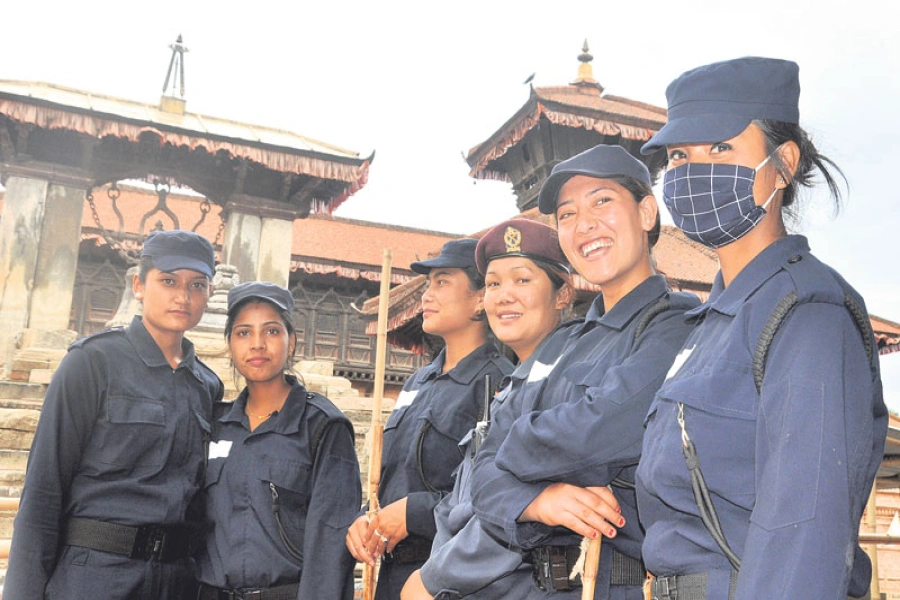
The question of amending the Military Act to pave the way for the inclusion of mainly Madhesi youths into the Nepal Army is, however, not as straightforward. There is no denying that the national army chronically lacks representation from the Madhesi population. But the parties, including the ruling Maoists, are divided on how to address the situation. The government has proposed to recruit about 3,000 youths exclusively from the Madhesi, Janajati and Dalit communities to boost their representation in this national institution. But many have questioned the rationale of this decision since the army already practices affirmative action, as part of the national policy of making our bureaucracy, the army and police more inclusive.
Currently, 45 percent of seats in the civil service, the military and police are reserved for candidates from underprivileged communities. The main opposition party, Nepali Congress, remains ambivalent about the government’s inclusion proposal for the army, while the UML and the Baidya group in the Maoist party have vehemently opposed the move. Since inclusion of Madhesi youths in the army has become such an emotive issue in Madhes, we think it would be wise to accept this proposal as a one-time arrangement in deference to the aspirations of Madhesi folks.
Related story
Hamas says weapons are 'legitimate right', open to proposals th...