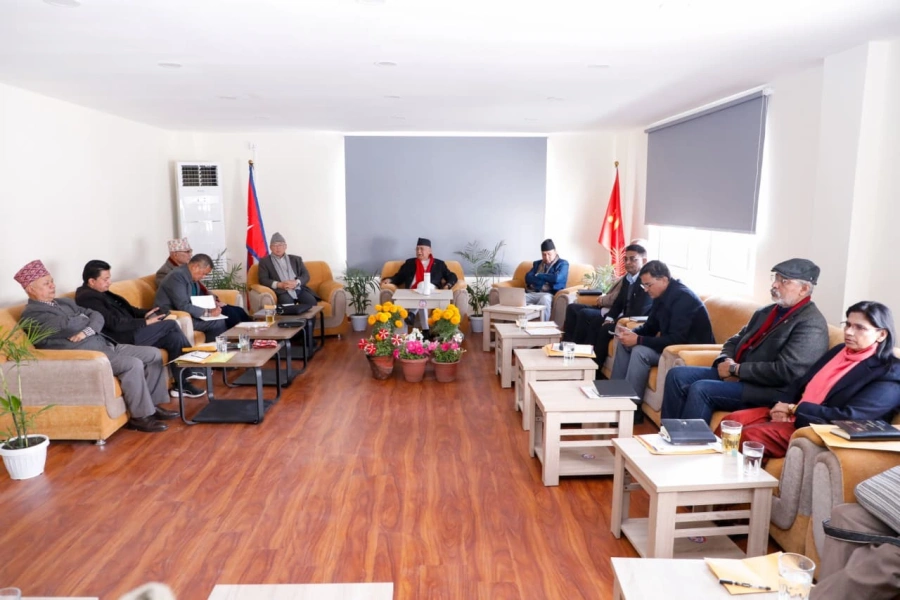
With the PM in attendance, the first meeting of the Sub-Committee on Resolving Disputes headed by Dahal started in an upbeat mood. The Maoist combine of Dahal and Bhattarai wanted to move fast in the constitution-drafting process. This spirit was indeed appreciated but parties other than the Maoists also wanted the peace process – the management and integration of Maoists fighters in the national security organizations including the return of confiscated property and the formation of high-level mechanism to address the sensitive issue of human rights violation by both the security forces and the Maoist in the 10-year-old insurgency – to move forward in a time bound manner as quickly as possible.
This issue remains unresolved but there are reasons for cautious optimism. I use the word "cautious" because of two reasons. First, the ability of the Dahal-Bhattarai faction in the Maoist party to take the whole party along in a united manner is still not clear. Second, there is still the yawning trust gap between the Maoist and other non-Maoist parties on the very focus and purpose of the peace process as visualized by the Maoists in their official documents, their promises and their actions.
CONFIDENCE GAP
When the peace agreement was signed about three years ago between the then PM Girija Prasad Koirala and Maoist Supremo Dahal, the general mood was to involve the Maoists as soon as possible in the democratic mainstream. The general conviction was that once the Maoists enter the democratic "mainstream", drafting a new constitution will proceed rapidly. The only flaw in this understanding was that the very meaning of the word "democratic mainstream" differed between the Maoists and other non-Maoist parties.
For the non-Maoists, the democratic mainstream meant a liberal, pluralistic political framework that would include the theme of inclusion and empowerment in the constitution. For the Maoist, this term basically meant a one-party state and the notion of "state capture" through constitutional means. The peace process was seen as simply a continuation of the struggle to establish a new communist state that would be a new model for leftist movement all over the world. This differing perception of the term "democratic mainstream" has continued to plague the peace process and the drafting of a new constitution.
There are reasons for cautious optimism. I use the word "cautious" because of two reasons. First, the ability of the Dahal-Bhattarai faction in the Maoist party to take the whole party along is still not clear. Second, there is still the yawning trust gap between the Maoist and other non-Maoist parties on the peace process.
Over the last three years, the political experience of open politics has softened some of the rough edges of state capture doctrine. However, the Maoist reluctance to loosen the grip of the party over the combatants even when they are integrated in the national security forces continues to be a major problem. Non-Maoist parties, given their perception that the Maoists are never serious about the agreements that they sign, are reluctant to trust the Maoists unless the words are backed by action. At the least, they want to see the peace process and the drafting of the constitution move simultaneously.
They would like to be sure that there are no two armies in the country when the constitution is promulgated in the nation. For this purpose, the non-Maoist parties expect the Maoists to show initiative to solve the different issues like the modality of integration of combatants with the national security forces, rank harmonization and the financial package for those who have to be rehabilitated in the society.
There is hope that the Bhattarai government can find the political strength to move resolutely and take the initiative to seek solution to some of the problems outlined above. So far, the situation is not clear for the simple reason that the political base of the present coalition is shaky and weak. The PM has not yet been able to take his own party into confidence. There is already serious concern in a very important section in the Maoist party on the strategy that the PM has taken to move the peace process forward.
The faction led by Mohan Baidya has been arguing that surrendering the keys of the arms storage containers amounts to disarming the combatants without an agreement on other issues related to integration. The dispute remains unresolved. There is also the highly controversial four-point agreement that the Dahal-Bhattarai faction has signed with the Madhesi Morcha.
One clause of the agreement even agrees on the right of self-determination for provinces in the future federal structure without defining what it means in actual practice. Furthermore, the four-point agreement also states that cases against the workers of the Maoist and the Madhesi parties that are now in the court will be withdrawn by the government. This clause of the agreement makes a mockery of the very concept of human rights and the rule of law. Similarly, senior members of the Madhesi Morcha have already started criticizing the PM openly in the press, ignoring the basic norms of a cabinet government.
The PM also had to go back on his words not to transfer any secretaries in the government at least for one month because of pressure from his coalition partners. These two incidents clearly point out that the priority of the PM and his coalition partners are not the same and this does not bode well for the future of the government.
LOOKING AT THE FUTURE
The political basis of the present government remains highly unbalanced and weak. Looking at the four-point agreement with the Maoists, it seems that the Dahal-Bhattarai combine was willing to sign any document as long as it gave them an opportunity of leading the government. This is a strategy that is deeply resented by the faction led by Baidya. They see it as ignoring the basic norms of party system and ignoring the long-term national interest of the nation. On the other hand, the opposition parties are willing to move ahead with the constitution-drafting process for it is now clear to all that failure on this front will not be accepted by the people.
However, the opposition also wants the Maoists to show sincerity in the peace process and come forward with serious proposals to make sure that the nation will not have two armies, one the national army and the other the Maoist combatants, by the time the constitution drafting is completed.
What is needed now is willingness on the part of the Maoists to show the necessary boldness in the peace process. This will require that in practice they should show flexibility and review the concept of "state capture" in favor of the possibility of leading a government based on a constitution that is in line with the normally accepted definition of democracy and human rights around the world. If this attitude is forthcoming, the opposition will be there to support it with all sincerity irrespective of the nature of the present coalition that, to repeat again, remains highly fragile and unbalanced.
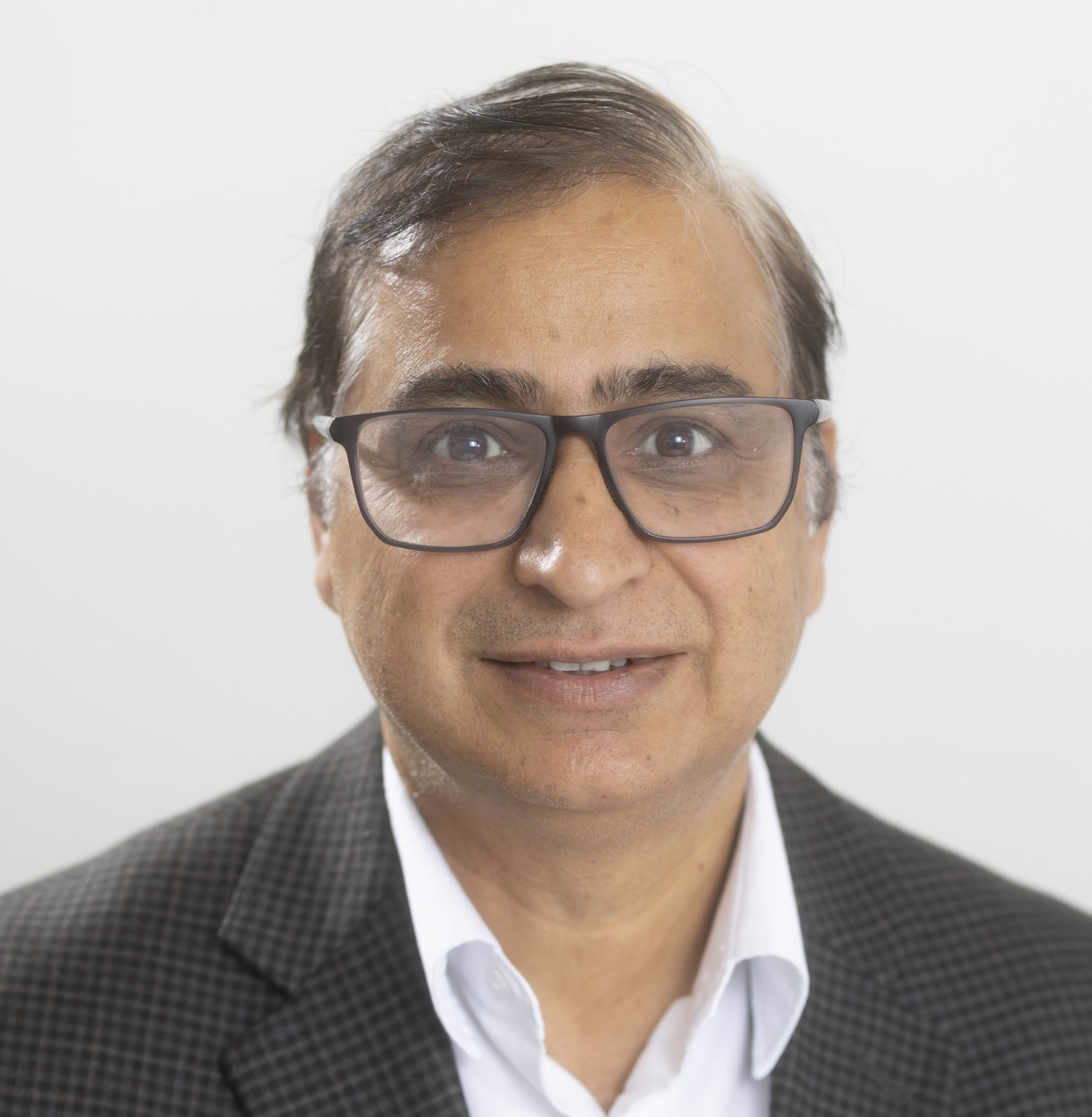
The writer is a Member of Constituent Assembly and the Co-Chairman of the Rastriya Janasakti Party
prakash_dr@hotmail.com
Related story
Netflix edits suicide scene from '13 Reasons Why'





DC_20220808184824.jpg)