The cabinet meeting last week gave its nod to introducing a NID Act by endorsing a bill floated by the Ministry of Home Affairs (MoHA). [break]
“Those 16 years old or above will be eligible for NID cards as per the bill,” MoHA Under Secretary Parlahad Pokharel told Republica.
As per the commitment expressed in the annual budget speech in July, the cabinet had endorsed a plan to introduce the NID, also known as smart cards.
“Only the personal details and particulars based on evidence of citizenship will be used for NID. Those failing to show citizenship will not be eligible for the NID,” reads the provision incorporated in the bill.
According to the draft, the electronic smart cards will include photos and bio-metric data of the card holders.
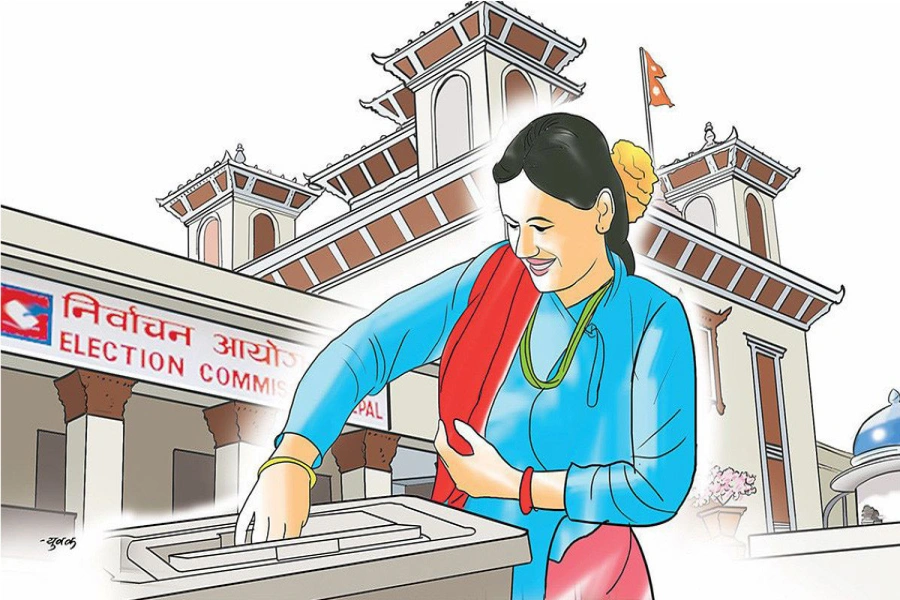
Earlier, MoHA had decided to start introducing the NID after completion of work on the new electoral roll, which will be developed electronically with photos and fingerprints of eligible voters.
However, the Election Commission´s entire project for voter registration has fallen in limbo following obstruction by Madhes-based parties and subsequent filing of writ petitions at the Supreme Court (SC).
Madhes-based parties have been demanding voter registration even without proof of citizenship. Three separate writ petitions were filed at the SC--two demanding citizenship as a mandatory document in the voter registration process and one filed to scrap the provision on citizenship requirement for voter registration.
The bill further states that the government will use data from the Election Commission to introduce NID if the Commission goes for voter registration based on proof of citizenship.
“The government will not use Election Commission data for the NID if the Commission conducts voter registration even without the proof of citizenship,” Pokharel added.
The details and documents needed for the electoral roll and for smart cards are similar. Therefore, the government has decided to introduce the cards in coordination with the ministries concerned and the Election Commission.
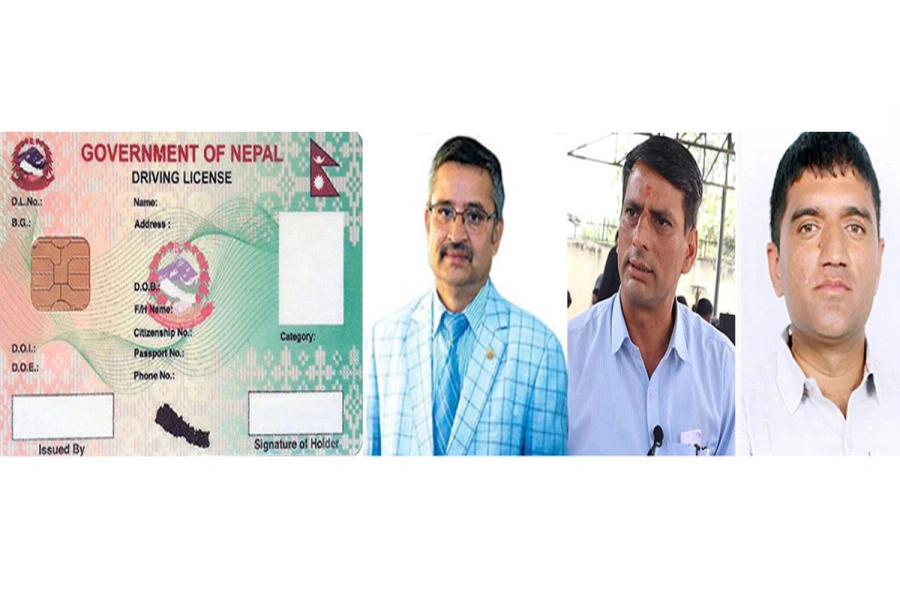
The card, which will gradually replace the traditional citizenship cards, will be machine-readable, similar to an ATM card.
The bill also says that all personal details of those who are 16 or above will be stored in computers in a systematic manner.
“Such personal data will be kept at the Government Integrated Data Centre (GIDC),” states the bill. The GIDC will work as a data bank for NID.
Related story
PM Oli receives national identity card