KATHMANDU, Nov 16 : A project agreement for studying the rich bio-diversity of Chure Conservation Area has been signed between National Trust for Nature Conservation (NTNC) and President Chure-Tarai Madhes Conservation Development Board (PCTMCDB) on Sunday.
Related story
A three-day regional symposium on microbial ecology held in Pok...

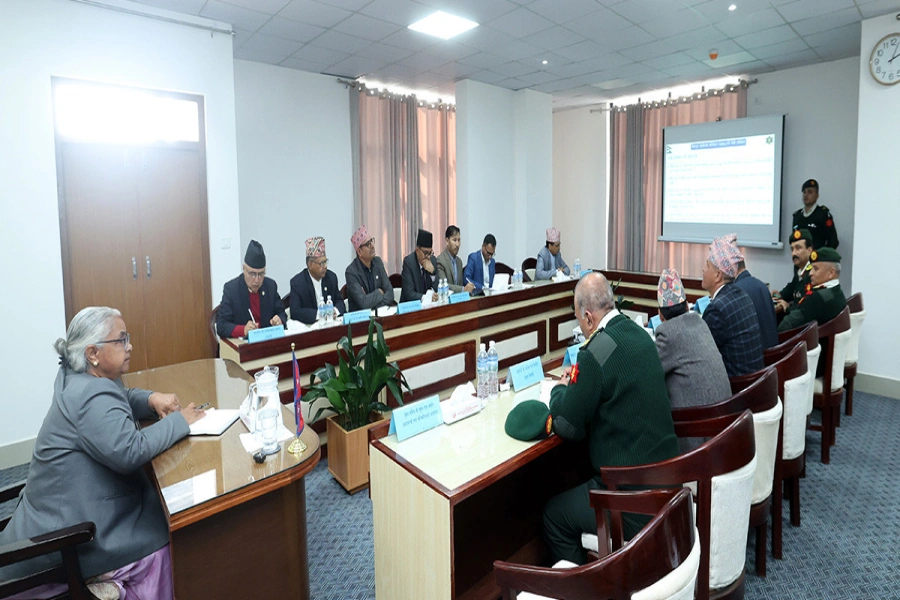
Govinda Gajurel, the member secretary of NTNC, and Annapurna Nanda Das, the member secretary of the Board signed the agreement in the presence of Honorable Minister for Forests and Soil Conservation (MoFSC) and the Chairperson of the Trust Agni Prasad Sapkota.
“The recent earthquake has caused damages to the ecological balance of Chure region. This study will help serve as a guideline in the further development of both ecological and physical aspects of the Chure area,” said Sapkota.
While NTNC will lead the initiatives under the project, other government agencies like the MoFSC, Department of Forest (DoF) and other community based organizations join in the efforts.
A project has been estimated to cost Rs 29.1 million. It has been revealed that PCTMCDB will contribute Rs 24.4 million and the NTNC will cover the remaining expenses for the project.
According to Naresh Subedi, senior conservation officer at NTNC, it will take at least two years to complete the study.
“Chure area has been divided into four different study areas. One year will be invested in conducting research in the eastern and middle region of Chure area and another year for western and far western regions. Based on the research, a combined national report will be produced in the end,” said Subedi.
Chure region covers 12.8 percent of the total area spanning across 36 districts. A home for over five million people, there is a rich presence of flora and fauna.
However, the area has always been enmeshed with illegal excavation of natural resources like sand and stones, felling of tress and trafficking of wild animals. Despite government's effort, such illegal activities show no sings of receding.
Subedi believes the research result will come out as a major thrust for developing the Chure region.
“Chure region is habituated by hundreds of rare plants, animals, birds and insects. I am sure this research will contribute to out knowledge of the Chure region,” said Subedi.