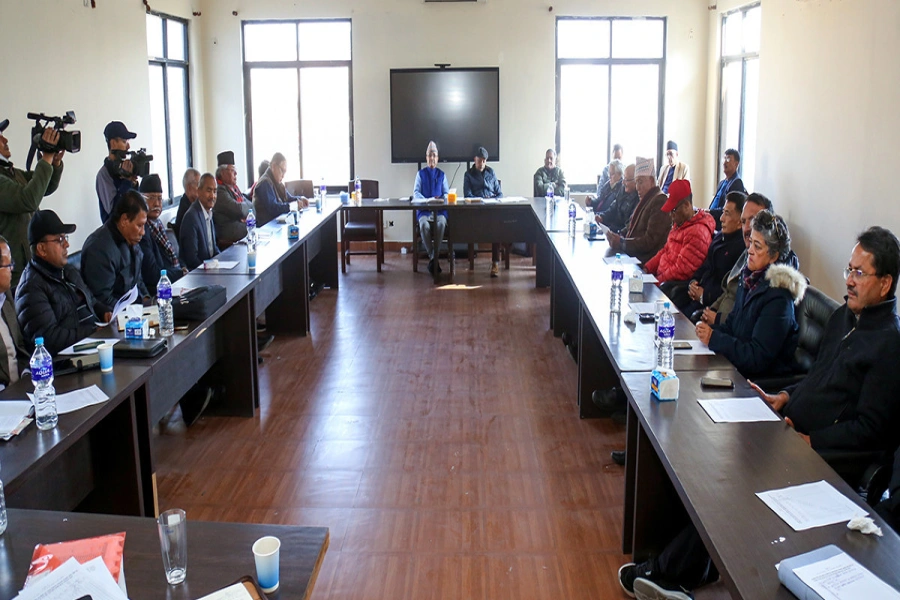
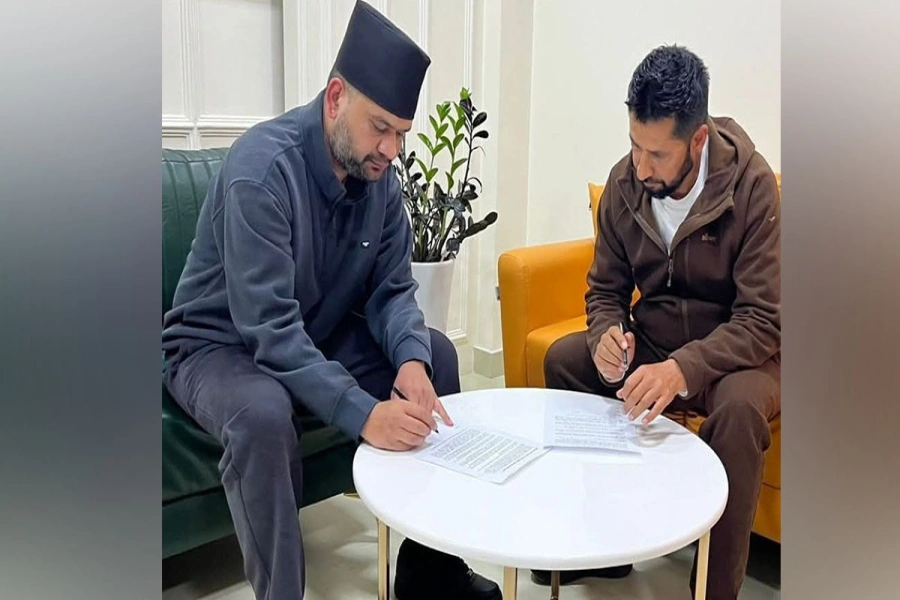
They said that there is a dire need of making changes to the existing laws and conventions when the forms of trafficking have drifted from forced prostitution to forced labor. They suggested amendment of the definition of trafficking in the convention itself.Speaking at the program organized by WOREC Nepal on Monday, Executive Director at Foreign Employment Promotion Board (FEPB) Raghu Raj Kafle noted that harmonizing Foreign Employment Act and Trafficking Act was necessary to make the prosecution process easier.
"As there are separate laws governing foreign employment and trafficking, it is extremely difficult to provide justice to the victims while culprits are at large," said Kafle.
Likewise, Joint Secretary at Ministry of Foreign Affairs (MoFA) Ramesh Prasad Khanal said that the agenda of revisiting the SAARC Convention can be included in the upcoming ministerial meeting in March.
"The nature of trafficking has changed in the recent years but we are relying on the document adopted 15 years ago," said Khanal. "We need to do intensive homework before we raise the agenda of revisiting the convention among the SAARC countries."
Similarly, Renu Raj Bhandari, chairman of WOREC Nepal, opined that trafficking survivors won't get justice unless destination countries adopt trafficking prevention measures and support trafficking survivors. She even suggested that the concept of repatriation, protection home and reintegration should be included in the convention.
SAARC Convention on Preventing and Combating Trafficking in Women and Children for Prostitution was signed by the member states in 2002 during the 10th SAARC Summit in Kathmandu. Nepal ratified the convention on Bahdra 20, 2006.
Stakeholders say that it is one of the landmark conventions in the SAARC region as it represents a regional political commitment to combat trafficking in women and children in South Asia.
Related story
As SAARC Turns Forty…