KATHMANDU, NOV 19: Nepal is pushing vigorously to establish "Mountains and Climate Change " as a permanent agenda item at the ongoing UN Climate Conference(COP30) in Belém.
According to Nepali negotiating officials, a final decision is expected during the COP30 closing plenary on November 21. If adopted, it will mark a major milestone for Nepal’s legacy in UN climate negotiations—formally opening space for mountains as a standing topic of discussion.
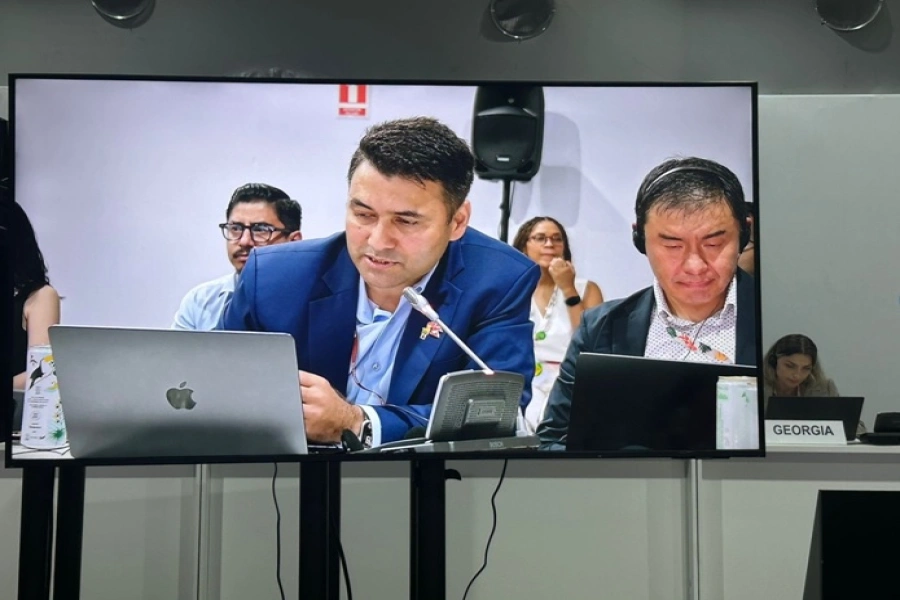
According to Manjeet Dhakal, a Nepali delegate who is negotiating on Nepal’s behalf, the proposal for an agenda item on mountains and climate change was first raised during the COP30 opening plenary. Parties subsequently agreed that the COP Presidency would hold consultations on the matter.
Nepal at COP30: A Call for Climate Justice and Fair Finance
It may be recalled that through several rounds of earlier discussions, Nepal and Bhutan worked closely with Kyrgyzstan—Chair of the Mountain Group—along with other countries, to build broad consensus for a dedicated dialogue on mountains and climate change. However, Dhakal noted that the final decision will only be taken at the closing plenary on November 21.
“If agreed, this will initially be a one-off event. However, countries will also consider the outcomes of that dialogue, including the possibility of establishing an annual discussion on mountains and climate change as a more permanent platform within the UNFCCC process,” he said.
While acknowledging that the outcome is “not everything we hoped for,” Dhakal said it is nonetheless “a historic step forward. We now have a process to bring mountains into the UNFCCC context in a more visible way.”
Earlier in Belém, the COP Presidency hosted a consultation on “Mountains and Climate Change,” where Nepal, speaking on behalf of both Nepal and Bhutan, presented a detailed plan outlining how a mountain agenda can be formally integrated into UNFCCC processes. Dhakal said the proposal received strong support from many countries.
Along with several other nations, Nepal is pushing hard to secure a mountain agenda within the COP framework. Officials argue that this is urgently needed as climate change is having severe impacts on both mountain regions and the low-lying communities that depend on them.
“We are calling for a process that invites submissions highlighting climate risks faced by mountain communities, along with recommendations for strengthening mountain-related climate action—covering adaptation, early warning systems, data and monitoring, resilience-building, and international cooperation,” said Dhakal, who also serves as an advisor to the LDC Group.
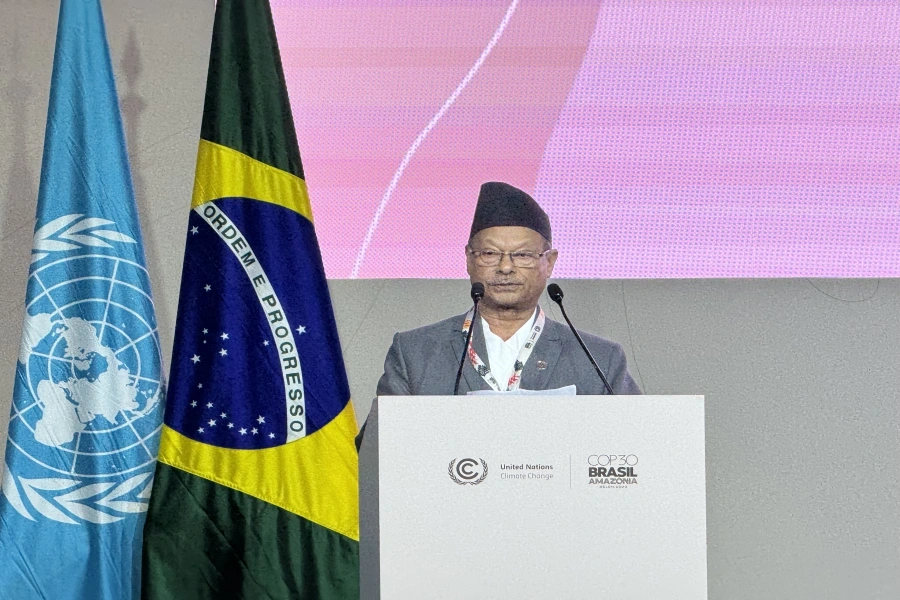
Addressing the ministerial segment of COP30 on Tuesday, Nepal’s delegation leader and Minister for Agriculture and Livestock Development, Dr. Madan Prasad Pariyar, also stressed the urgent need to integrate a dedicated mountain agenda into UNFCCC processes. He referred to the Sagarmatha Sambaad held in Kathmandu in May this year as a crucial reference point.
The ongoing COP30, underway in Belém, Brazil since 10 November, will conclude on 21 November.

-1200x560-1774606010.webp)