The Gen Z led uprising in Nepal has marked a defining moment in the nation’s modern political history. It was not a conventional protest driven by partisan motives or a simple demand for a change in government. Instead, it represented a generational reckoning, an eruption against decades of corruption, misgovernance, and disillusionment. As the political establishment scrambles to regain legitimacy, one central question persists: Is holding another election enough to resolve such a deep-rooted political and social crisis?
In Nepal’s current political landscape, elections alone cannot heal the structural and moral decay that the Gen Z uprising has exposed. The protest was not merely a rejection of current leaders but of an entire political culture entrenched in patronage, nepotism, and unaccountability.
If Nepal’s political class views the uprising merely as a temporary disruption to be managed through another round of voting, they risk repeating the very mistakes that sparked the movement. The people did not demand a new government for the sake of continuity; they demanded a reimagined political order founded on integrity, transparency, and justice. Without addressing these underlying issues, elections risk becoming a democratic ritual devoid of meaning, an exercise that sustains power without reform.
The Transitional Government and the Persistence of Old Politics
The government formed after the uprising was envisioned as a transitional mechanism, to restore public confidence, ensure transparency, and prepare the environment for credible elections. The Gen Z movement was not about replacing one prime minister with another; it was about dismantling a decayed political culture. Yet, traditional parties and their leaders Prachanda, Deuba, and Oli seem to have failed to grasp this reality.
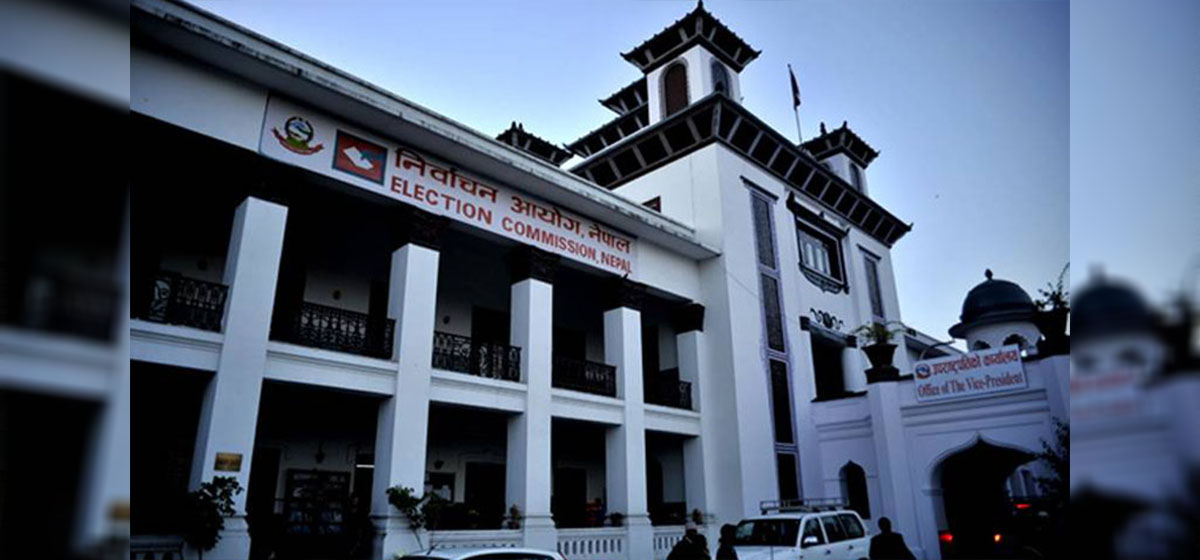
Election Commission issues 17-point election directive
Their refusal to recognize the depth of the crisis has only added to the complexities. Unless established parties are guided by reformist intent, Nepal risks merely recycling the same old politics under a new label which leading to a fresh cycle of conflict and disillusionment.
A Generational and Institutional Crisis
Nepal’s political stagnation is both generational and institutional. Veteran leaders such as Pushpa Kamal Dahal, KP Sharma Oli, and Sher Bahadur Deuba have dominated politics for decades, shaping both its achievements and its paralysis. Their prolonged presence has left little room for innovation or the rise of competent new leadership.
Yet responsibility does not rest solely with them. The so-called second-rank leaders, those who could have challenged the old order and pushed for reform within their parties, have largely chosen complacency over courage. Their loyalty to entrenched leaders and silence in moments of crisis have alienated the youth, who see no hope for renewal within existing party structures. The Gen Z uprising, therefore, was not only a revolt against the senior elite but also a rejection of a complicit middle layer unwilling to reform.
For meaningful transformation, Nepal’s traditional parties must undertake genuine internal reform. Cosmetic gestures, token youth representation, rhetorical promises, or temporary alliances are no longer sufficient. What is needed is structural reorganization: leadership rotation, merit-based promotion, and functional internal democracy aligned with the ethos of the Constitution and inclusive governance.
Elections with Purpose, Not Rituals
While reform is urgent, delaying elections would also be perilous. A prolonged vacuum could deepen instability and breed further mistrust. The constitutional process must continue but with clarity of purpose. Elections should not serve as mere rituals to preserve elite power; they must function as vehicles for democratic renewal.
Ensuring this requires transparency, inclusiveness, and a fair playing field, free from the dominance of money and muscle. If upcoming polls feature the same old leaders and alliances that have symbolized decades of stagnation, they will fail to calm public anger. On the contrary, they may reignite it. Nepal’s youth are globally connected and politically aware, will not accept symbolic gestures or superficial change. They demand competent governance, tangible progress, and ethical leadership.
The Dual Path Forward: Reform and Responsibility
Nepal’s way forward requires a dual commitment: to hold timely elections and to undertake systemic reforms. Political renewal must prioritize credibility, inclusion, and integrity over convenience. Parties must open their doors to younger leaders and new ideas, rebuild trust with civil society, and restore the moral value of public service.
Democracy is not merely about periodic elections; it is about transforming governance itself. Nepal’s youth are not rejecting democracy but demanding a better version of it. Yet, the burden of responsibility does not rest solely on the old guard. Gen Z must also demonstrate readiness with unity, clarity of vision, and moral consistency. Age alone does not guarantee reformist strength. The same scrutiny the youth direct at the old elite will eventually apply to them.
Beyond the Ballot Box
Elections are necessary, but they are not sufficient. Without institutional reform, political accountability, and ethical renewal, another election will only reproduce the crisis that sent citizens to the streets. The challenge before Nepal is not whether it can hold another election but whether it can make that election meaningful. Only when politics is reclaimed as a space of service, not self-preservation, can the promise of democracy be restored.
The author is Director at Nepal Institute for International Cooperation and Engagement.