My parents’ generation believed that in 1950, when the Ranas fell, democracy would bring dignity and prosperity to all. When I was a boy, Nepal was ruled by silence — to question authority was to invite arrest — and we, too, believed that 1990 would suffice. We failed again, and in 2008 the next generation marched, believing the republic would redeem what their parents and grandparents could not. But that promise, too, was betrayed — as we see unraveling today. Each generation thought it was healing the wound but ended up deepening it, turning Nepal’s struggle for freedom into a self-inflicted tragedy — a cycle of hope and betrayal.
Political parties of every stripe — liberal, socialist, or communist — have led each political upheaval. Yet every time they seized power, they left the nation more fragile than the one they inherited. They were effective in opposition, where sacrifice was demanded of the people, but barren in governance, where discipline was demanded of the leaders. They proved adept at tearing down but incapable of building up. Rather than healing the wound, they have deepened it — leaving the people more hopeless and more exiled. This is not progress toward political and economic freedom; it is a descent into despair.
This self-inflicted tragedy has a visible architecture. Nepal never had strong institutions — a parliament, courts, rule of law — to begin with, and whatever modest foundations once existed have been steadily eroded under political capture. What should have been the framework of a modern state — predictable laws, competent bureaucracy, merit-based appointments, and transparent governance — has become a network of rent-seeking and patronage. The law bends to the powerful, the bureaucracy serves the connected, merit is punished, and accountability is reserved for the powerless.
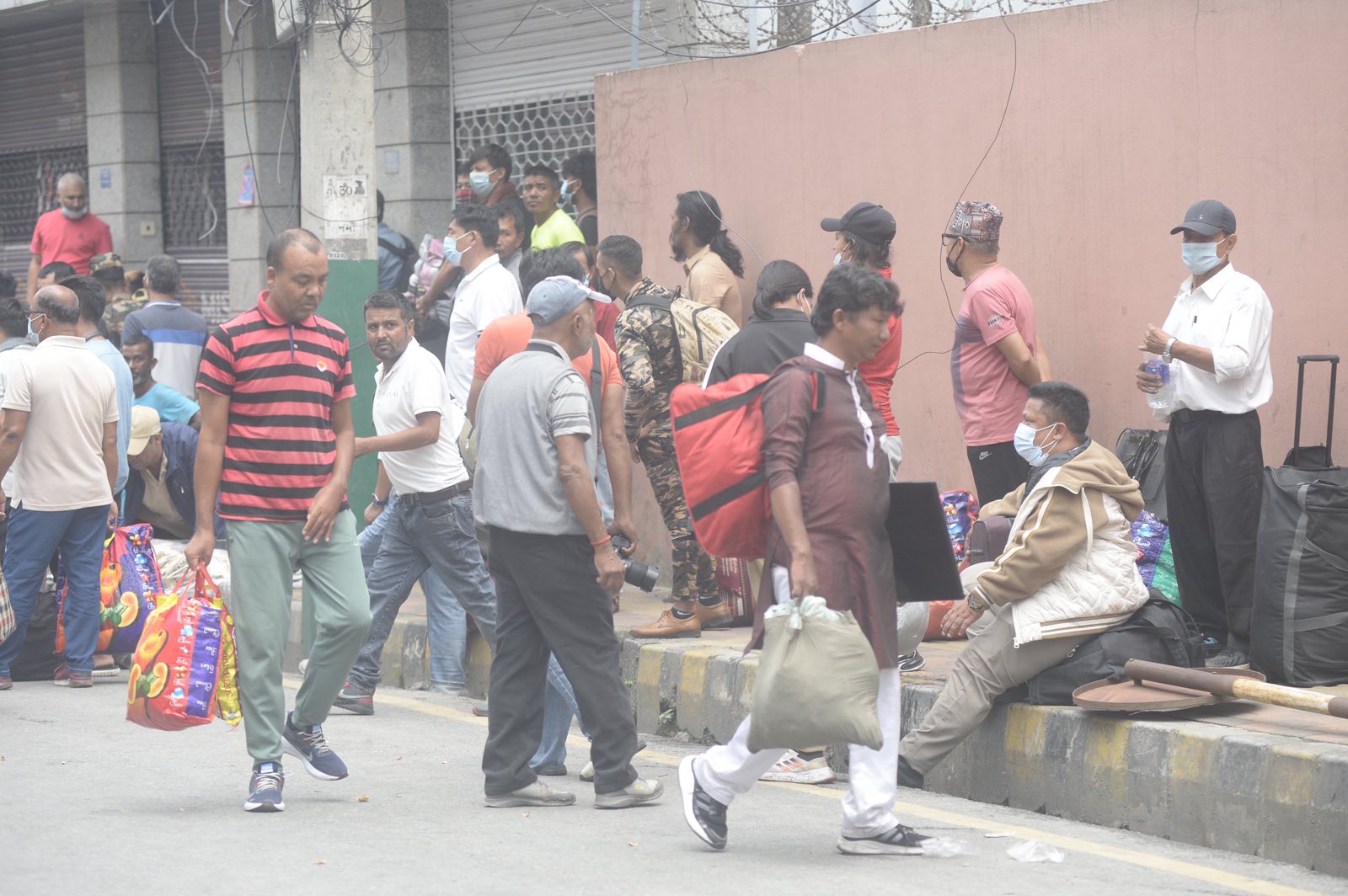
This decay is no accident; it is the deliberate creation of Nepal’s political parties. They hollowed out public institutions, turning them into employment agencies for loyalists. They corrupted education by rewarding allegiance over excellence and politicized the bureaucracy and police to serve party flags instead of the nation. Through these acts, they crippled the state’s very capacity to govern. People feel that decay every day — in schools without teachers, hospitals without care, airports filled with young people clutching passports and tears, and offices that move only with bribes.
Unfortunately, this decay has spread and seeped into our collective psyche. As a nation, we have chosen the easier path — to deny and to deflect. Instead of confronting our own failures, we find comfort in blaming others. The political leadership points fingers abroad, waving the flag of pseudo-nationalism whenever it serves their personal vendetta. Every act of resistance is branded a “foreign agenda.” Even we — the educated class — have grown addicted to this habit of denial. We prefer conspiracy to introspection, slogans to substance, and excuses to effort.
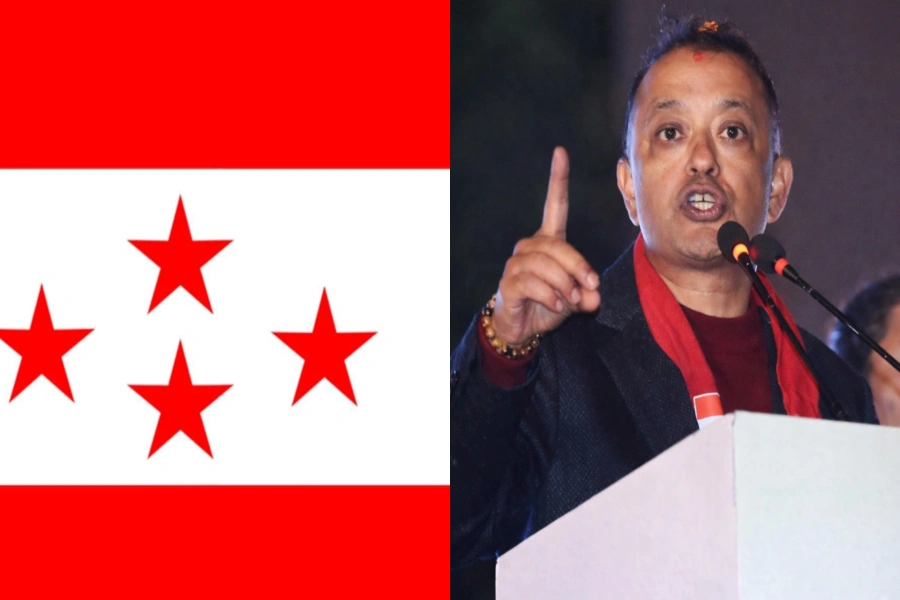
NRB governor repeatedly attacked to make black money white: Pra...

This culture of denial has hollowed us from within. We have learned to see our failures as someone else’s fault. So we must ask: Who forces our youth to flee abroad? Who stops us from building canals, educating our children, or staffing rural health posts? Who rewards corruption? Who turns justice into a marketplace? Who keeps our factories shut and our fields barren? Who trades vision for gain? Who silences those who speak the truth?
The answers are not foreigners; they are us — us, and us again.
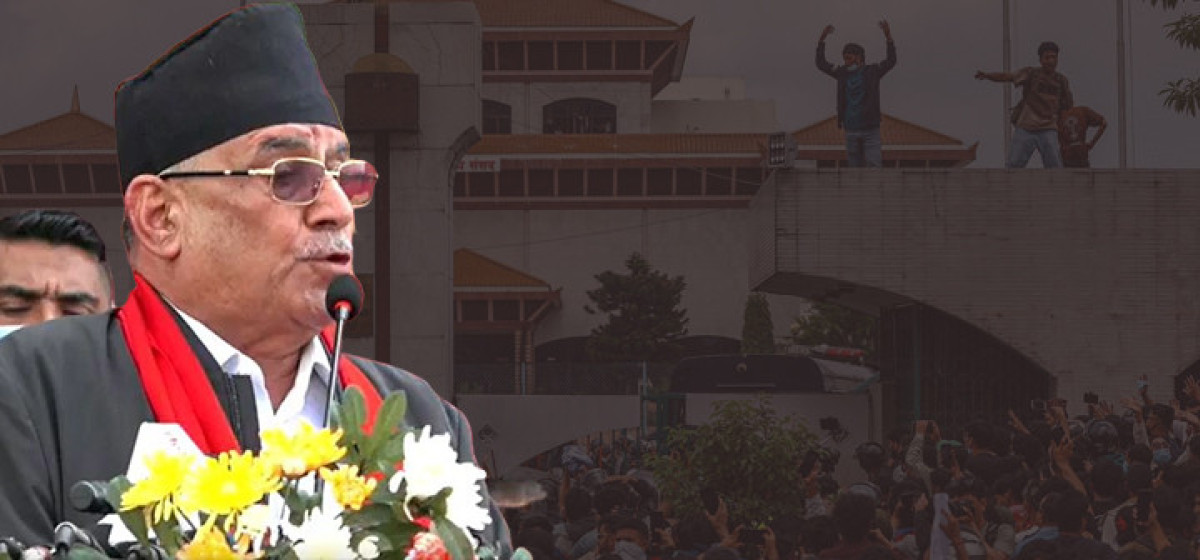
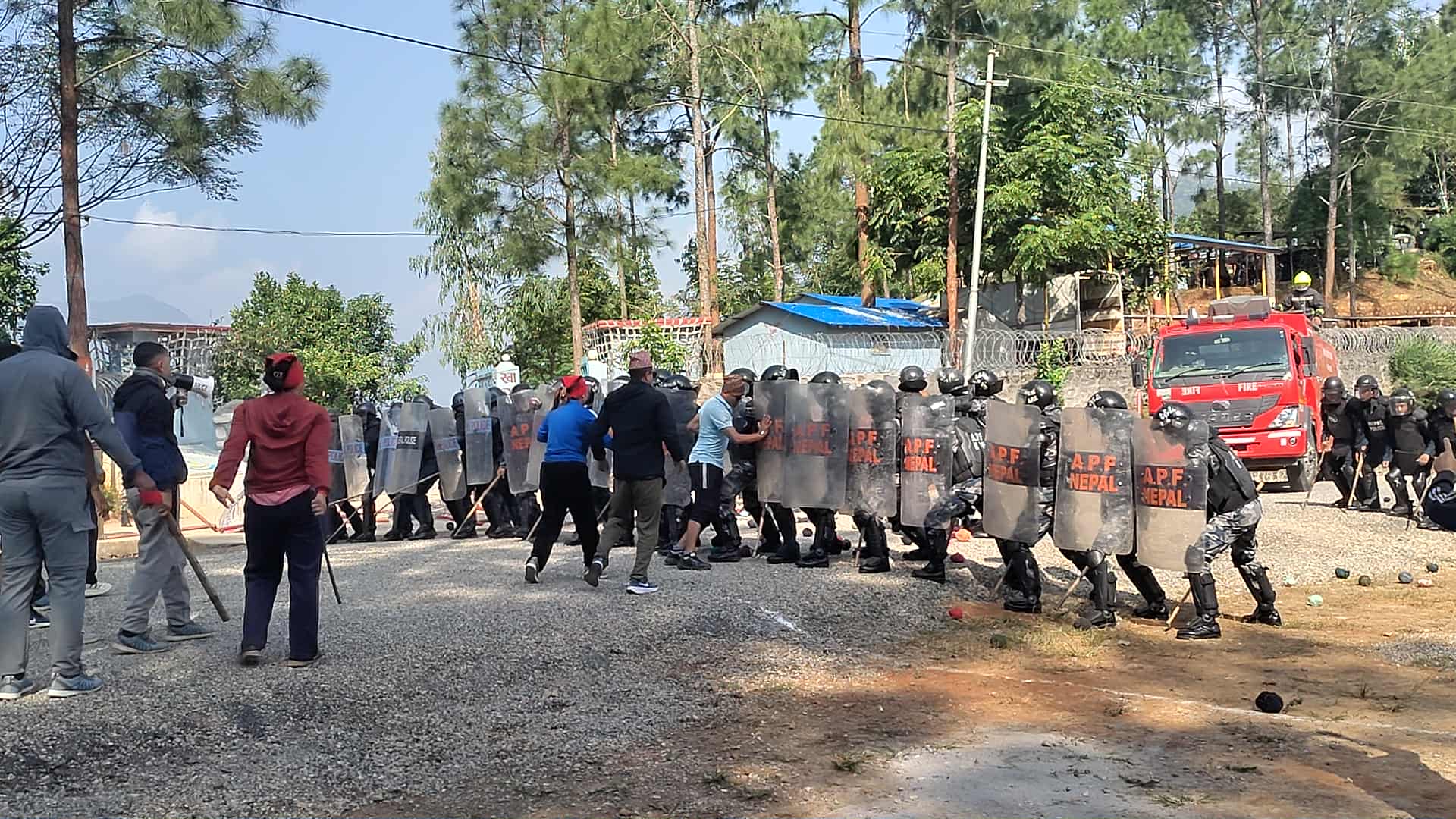
But denial can only suppress reality for so long. Eventually, truth erupts. The Gen Z uprising cracked the political floor the parties thought was cemented for their loot. Now the mask is off: a prime minister under whose watch schoolchildren were gunned down shows no remorse — only arrogance and threats of more violence. Others scramble to survive by merging and rebranding, hoping a new name will erase old sins. Still others deny their own members even the right to hold the convention. Make no mistake: every party is scheming not to serve but to seize — conspiring only on how to wear the crown again.
What is even more disheartening is that it’s not only the first generation of leaders who are authoritarian and dishonest; the second — most of them — are no different. Instead of reforming their parties, they rush to defend their patrons. Instead of restoring decency, they perfect manipulation. One wonders what happened to our nation — where is the spine of this second generation, their collective voice for what is right and wrong? What hope can the people hold if such leaders come to power — a second wound upon the first?
Yet the guilt is not theirs alone. We Nepalis — at home and abroad — have shared in it. Party loyalists still cheer for corrupt leaders; voters still reward familiar names. By tolerating what we know to be wrong, we have betrayed our own conscience. Democracy was never meant to be an act of blind loyalty.
We need political parties — there is no democracy without them — but they must be reborn. Nepal needs a new culture of politics rooted in merit, service, and integrity. Ordinary citizens, professionals, and youth must join hands to create moral and civic pressure for this ideal. This renewal will not come through rhetorical manifestos but through the moral reconstruction of politics — where parties compete in service, not slogans; debate policies, not patronage; and reward integrity over intrigue. They will not change on their own. They will change only when we make them.
Decades of mismanagement have turned political wounds into economic ones, driving millions of Nepalis — workers, students, and dreamers — into exile. It has deepened into a civilizational crisis — a collapse not only of governance but of meaning itself. Professions have lost their moral purpose; knowledge no longer commands dignity; the nation’s intellect is depleted; citizens flee in frustration and cynicism replaces conscience. A deep and frightening hopelessness has settled in. The nation has failed — politically, morally, and philosophically. We have not only weakened the state but eroded the very spirit that sustains a nation — a reminder of the old saying that civilizations are rarely murdered; they die by suicide.
But this must not be our destiny. A state that recognizes its own wrongdoing can still reform. Recognition begins with asking: Can we continue to substitute inaction for destiny and blame others for our own failures? What is the meaning of freedom if it never frees us from our own negligence? Is this the nation we want?
I write these words from afar — not out of disdain, but out of love and anguish: love for a country that still holds immense promise, if only we dare to reclaim it. The time has come to unite behind a vision — one that is not utopian, but human, honest, courageous, and rooted in dignity.
Enough of slogans. Enough of excuses. Nepal’s youth have shown us courage and clarity. They have reminded us that history can be rewritten by conviction. It is now the duty of all of us — citizens and scholars alike — to match their courage with action. Nepal has wounded itself again and again. But a nation that can still feel its pain can still heal — and in that very pain lies the first pulse of renewal.
(The author holds a PhD in Economics and writes on economic issues in Nepal and Canada. He can be reached at acharya.ramc@gmail.com)