The 3G communication system is a popular technology globally for faster data, enabling video conferencing and other broadband applications. Two operators - Nepal Telecom (NT) and Ncell -- are presently offering 3G services in Nepal.[break]
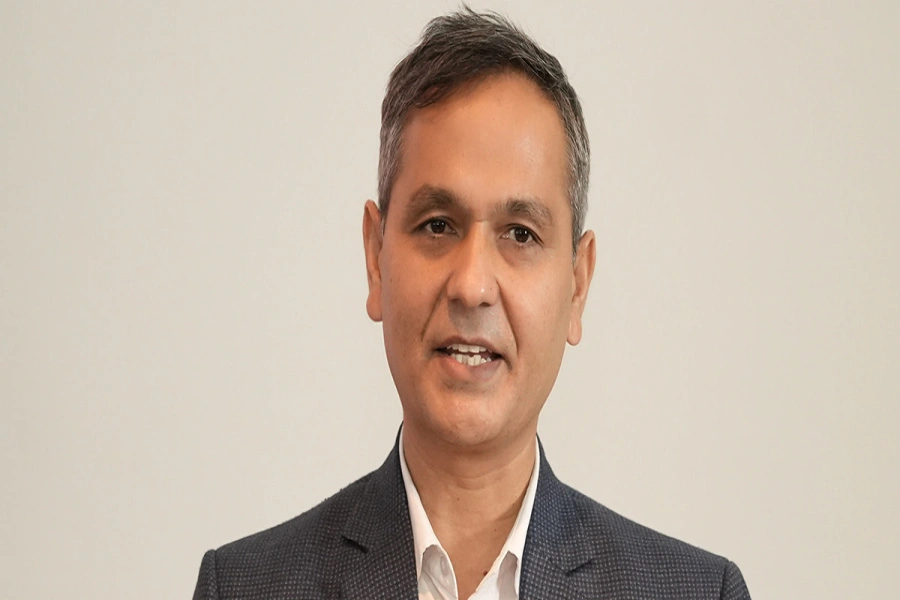
Telecom operators have pointed out high tariff and expensive handset as the major reasons behind slow growth of 3G users. “3G handsets are still expensive in Nepal. Also, tariff is also higher as investment for 3G technology is really huge in Nepal because of difficulty topography and limited infrastructure,” said Ncell CEO Pasi Koistinen
Not just that, limited availability of the service is the factor behind slow growth of 3G users. Ncell´s 3G service is available in 14 cities across the country, including Khumbu region. NT´s network is limited to just Kathmandu and Pokhara.
“Limited coverage has hindered the growth of 3G users in Nepal. Also, 3G handsets are expensive and beyond the reach for many Nepalis,” said Surendra Prasad Thike, spokesperson of NT.
NT is offering 3G data at Rs 0.10 per 100 kbps, whereas Ncell´s tariff is Rs 0.60 per 100 kbps. Although NT has slashed 3G activation charge for pre-paid users to Rs 300 per month from Rs 1,175, it has not helped expand the subscriber base. Ncell and NT have 600,000 and 500,000 3G subscribers respectively.
Unfortunately, the users who have already activated the service are also using it in a limited manner. No wonder, income generated from 3G service just makes less than 5 percent of the total revenue of both the operators.
Both the operators, however, are upbeat about the future of 3G service. “The future is bright, people are gradually getting used to this technology,” Thike added.
Koistinen said 3G users will increase if tariff goes down. When asked whether Ncell is reducing 3G tariff in the near future, Koistinen said: “It depends on how much we will have to pay for 3G frequency.”
In the lack of clear policy, NT and Ncell are paying amount equivalent to their 2G frequency as royalty for 3G frequency.
Related story
China to slash taxes, boost lending to prop up slowing economy