A generation that dares to question is a generation ready to build. Nepal’s young generation has ignited a new spark in the nation’s public life. From climate marches to online campaigns, Gen Z citizens have transformed social media into a tool for civic change. Their courage, creativity, and refusal to remain silent in the face of injustice are shaping a new rhythm of democracy - one that beats with both heart and purpose.
These young Nepalis are not rejecting the system; they are reaching for it - demanding that it function better, faster, and fairer. This is not rebellion; it is renewal.
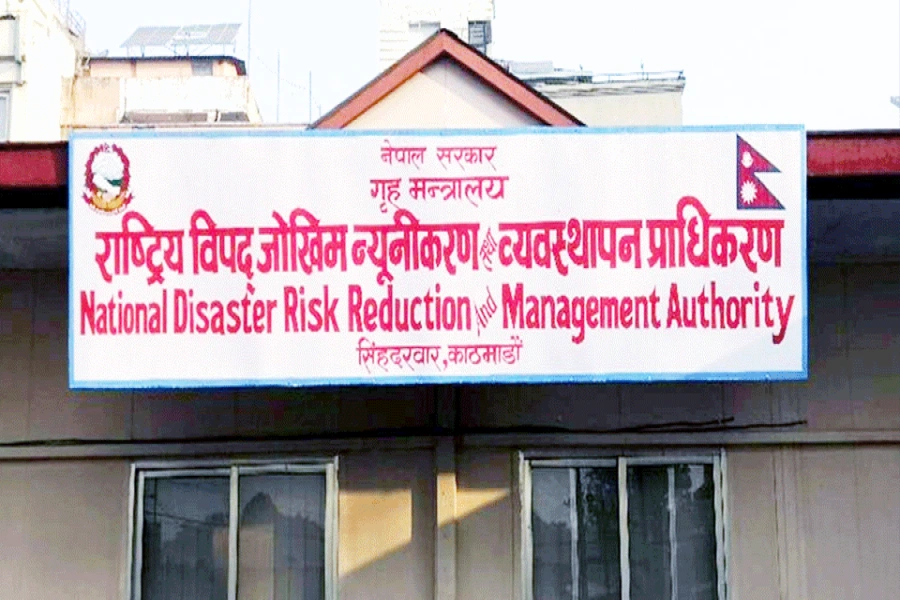
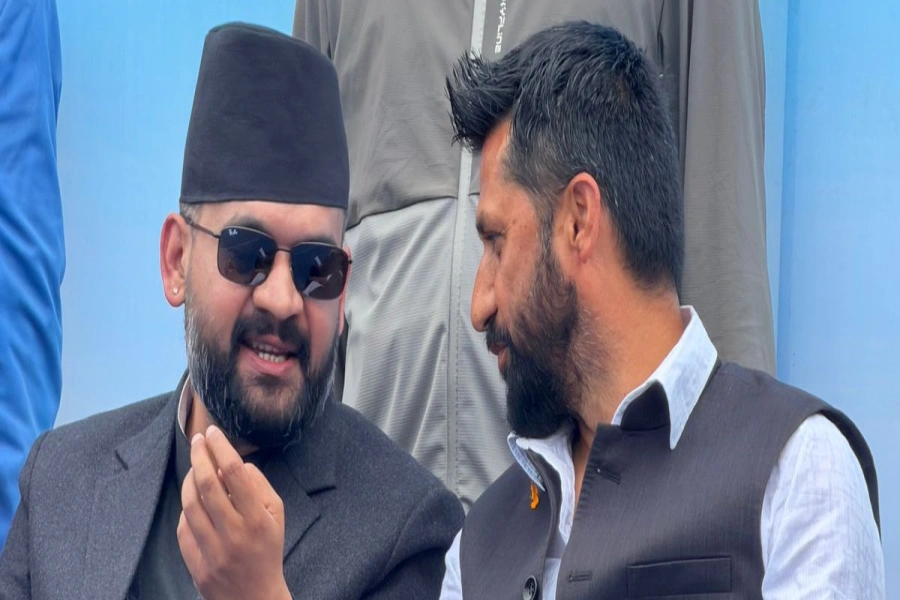
Yet, while their participation is essential, it is equally important that enthusiasm does not cross into interference. Gen Z going and giving instructions or interrupting official functionality does not strengthen governance - it disrupts it. Constructive engagement must come through dialogue and structured collaboration, not spontaneous intervention. The recent attendance of one of the Gen Z leaders at the disaster management meeting, who attempted to play the “know-all,” did little to drive the system forward. True leadership listens, learns, and cooperates rather than commands.
From Screens to Streets: The New Public Square
In recent months, young voices have filled Nepal’s digital space with debate and energy. Platforms like Instagram, Discord, and X (formerly Twitter) have become open forums for issues ranging from jobs and education to governance and climate action. What began as online conversations quickly transformed into street-level movements, proving that today’s youth can turn hashtags into human solidarity.
“From memes to movements - Gen Z has learned how to turn emotion into action.”
Yet, as in many global movements, misinformation quickly followed. During one protest, a section of Singha Durbar’s outer gate caught fire. Within minutes, edited videos and unverified rumours spread online. Some blamed the government; others spun conspiracy theories. Clarity disappeared amid the noise.
Amidst the movement, a wave of viral misinformation sought to hijack the narrative. One prominent rumor claimed that families of senior politicians had secretly purchased a prominent hotel in Kathmandu, painting it as a symbol of corrupt backroom deals. This specific and targeted falsehood was designed to channel the movement's legitimate anger into destructive paths. It directly incited violence, leading to the targeted arson of the hotel. Similarly, the homegrown conglomerate CG Corp Global and its founder were disparaged by coordinated falsehoods, falsely labeling them as beneficiaries of a corrupt system. Other businesses were also maliciously singled out in this manner.
While the Gen Z movement itself was largely driven by a desire for transparency and justice, these malicious actors exploited its momentum. The subsequent "mob mentality" and destruction of property were not organic outcomes of the movement's core ideals but were fueled by disinformation campaigns. These false posts, engineered for virality and tailored to exploit public sentiment, spread faster than the truth, ultimately undermining the movement's credibility and diverting it from its constructive goals.
Similar unfounded stories appeared - that national reserves were being siphoned abroad or that protest leaders had foreign sponsors. Fact-checking groups like Nepal Check and Rumor Scanner Nepal later proved these claims false. The lesson was clear: even genuine causes can be distorted in a hyperconnected world. The solution lies not in fear or control but in media literacy and transparency.
The Power and Promise of Gen Z
Despite these challenges, Nepal’s Gen Z has emerged as a pillar of hope. They volunteer in climate drives, clean rivers, organise blood-donation camps, support flood victims, and design tech projects that improve daily lives. Their activism is not fueled by anger; it is driven by action.
Far from the fleeting chaos of viral rumors, the true heart of Nepal's Gen Z movement beats in the rhythm of tangible, grassroots change. This generation is not merely protesting a broken system; they are actively building a better one, demonstrating a profound commitment to the nation's future through direct action and digital innovation. Across the country, their efforts are yielding remarkable results. In Pokhara, the #PlasticFreeNepal campaign, born from student initiative, leveraged the power of Instagram and community clean-up drives to create a tidal wave of environmental consciousness that successfully pushed the municipality to enact stronger anti-plastic laws. In the digital realm, the youth-led Code for Nepal is systematically dismantling barriers to information, having trained thousands of their fellow citizens in digital literacy, effectively turning government data and online services into tools for public empowerment—a model of inclusion so impactful it has garnered international acclaim.
This spirit of collaborative problem-solving extends to public safety, where Young Neighbourhood Watch Programmes (YNWP) partner directly with the Metropolitan Traffic Police to foster safer communities and disciplined streets. Most strikingly, in districts like Baglung and Dang, young volunteers have become frontline innovators in climate resilience, designing and deploying low-cost flood sensors and alert systems. These homegrown solutions have proven so effective that they have been formally integrated into the early-warning arsenal of the Department of Hydrology and Meteorology. This is the definitive narrative of Nepal's Gen Z: a dynamic force of pragmatic optimists who are not waiting for change but are engineering it—protecting the environment, bridging the digital divide, enhancing public safety, and safeguarding lives with their unique blend of technological savvy and unwavering civic duty.
Bhim Rawal to launch ‘motherland awakening campaign’

“The same phones used for scrolling can also rebuild societies - it depends on who holds them and why.”
These initiatives demonstrate that digital tools, once blamed for division, can also unite communities. What matters is not the platform, but the purpose.
Globally, youth movements echo the same optimism. In Indonesia, young coders track local budgets for transparency. In Taiwan, the government collaborates with civic-tech innovators to solve public-transport issues. In Finland, students learn media literacy as part of national defence. Nepal can learn from and adapt these lessons.
Learning and Leading Together
The path forward does not lie in silencing the young but in walking beside them — as forests embrace the winds that move through them, growing stronger together. Nepal’s youth bring courage, compassion, and imagination - qualities that sustain democracy.
“The way forward is not to silence youth but to walk with them.”The new interim government must view Gen Z as a partner in progress, not as a challenge to order. Listening to their aspirations will bring innovation in governance, education, and employment. Their insistence on transparency should inspire leaders rather than alarm them. At the same time, the state must shield genuine movements from manipulation. Investigations reveal that vandalism and arson during protests were often incited by outsiders with political motives. These actors must face accountability to preserve the youth’s integrity. Open communication, rapid clarification of rumours, and inclusion of young voices in decision-making can build trust. When the state responds with calm and honesty, unrest becomes an opportunity for reform rather than repression.
Meritocracy, Honesty, and Leadership as a System
To rebuild faith in public institutions, Nepal must place meritocracy at the centre of governance. Every appointment — from ministries to municipalities - should be based on competence, not connections. When ability drives opportunity, citizens begin to trust the system again.
“When merit drives opportunity, citizens regain faith in democracy.”
Equally important are accountability and transparency. Public officials must answer for their decisions and spending. In an age when information moves faster than ever, secrecy weakens authority; honesty strengthens it. Nepal’s youth remind us that knowledge alone does not run a country; honesty and integrity sustain it. Leadership must rise above personality - a true leader is a system that nurtures collective wisdom and empowers others to act ethically.
The interim government now has a rare chance to institutionalise these principles — to create structures that reward merit, protect integrity, and allow citizens of every generation to help steer the nation forward.
Best Practices and Practical Paths
To deepen trust between citizens and the state, simple yet proven steps can make a lasting difference:
1. Digital literacy in schools: Teach students to check facts and recognise bias before sharing information.
2. Youth - Government roundtables: Hold regular dialogues between ministries and youth groups on jobs, climate, and innovation.
3. Verified information portals: Use the government’s official website and social handles for quick, factual updates.
4. Civic-tech partnerships: Fund youth-built apps that monitor budgets and service delivery.
5. Media mentorships: Connect senior journalists with young creators to improve accuracy and ethics.
“These are not costs; they are investments in democratic trust.”
These measures require no massive budget — only willpower and cooperation. The rewards are enormous: trust, participation, and a culture of shared responsibility.
What Gen Z Should Do to Take Nepal Ahead
Nepal’s youth have proven their power, but to convert it into lasting change, action must be strategic, ethical, and inclusive. Here is what Gen Z should do:
1. Prioritise verified knowledge and media literacy. Before sharing information or mobilising communities, check facts, assess sources, and teach peers to do the same. Combat misinformation with truth, not silence.
2. Lead community-centered projects. From clean-up drives to digital innovations, focus on initiatives that directly improve lives. Document successes and challenges to create models others can replicate nationwide.
3. Engage respectfully with policymakers. Participate in youth–government dialogues, present evidence-based solutions, and offer constructive feedback. Influence decisions through collaboration, not confrontation.
4. Innovate with civic technology. Build apps, platforms, and tools that enhance transparency, monitor government services, and simplify citizen engagement. Turn digital skills into tangible public value.
5. Mentor and mobilise peers. Share skills and knowledge within schools, communities, and online spaces. Encourage ethical activism, teamwork, and problem-solving.
6. Uphold ethical leadership and integrity. Resist co-optation by political factions, reject shortcuts, and maintain honesty in campaigns and projects. Movement credibility depends on trust.
7. Think globally, act locally. Learn from other movements, adapt best practices to Nepali realities, and scale successful local experiments.
8. Build networks across generations. Collaborate with experienced professionals, civil servants, and academics. Let innovation meet wisdom, blending energy with experience.
9. Ensure checks and balances across institutions, including the Army and the Judiciary. Nepal’s youth should advocate that no institution - including the military or judiciary - holds excessive or unchecked power. All state organs must operate under clear legal frameworks and constitutional limits to protect democracy and uphold the rule of law. By championing institutional accountability, Gen Z ensures that power remains checked and governance stays fair and resilient.
By combining courage with wisdom, passion with discipline, and innovation with integrity, Nepal’s Gen Z can lead the nation toward a sustainable, just, and modern democracy. Their activism should not only challenge systems - it should rebuild them from within.
A Partnership for the Future
Nepal’s Gen Z has proved that democracy still moves hearts. Their activism is not defiance - it is dedication. They remind us that patriotism belongs not only to those in office but also to those who care enough to question and create.
“It is not rebellion; it is renewal.”
The interim government now holds a rare opportunity: to channel youth energy into national renewal. If leaders embrace merit over favour, integrity over influence, and openness over fear, Nepal will not lose control - it will gain credibility. When experience meets innovation and governance meets imagination, democracy finds its true rhythm. Nepal’s future will thrive when passion follows truth - when every young Nepali stands not as a protester outside the gate, but as a partner shaping the nation within.
“A leader should be a system, not a single face.”
Nepal’s journey toward justice and progress will succeed when the wisdom of elders meets the will of the young - when policy blends with participation, and when honesty becomes the nation’s highest qualification.
(The author is a self-practicing social analyst. Through her independent study of Nepali governance, she provides a unique perspective on the youth-led civic engagement, advocating for dialogue and integrity.)






-1773673205.webp)


-1200x560-1773818828.webp)