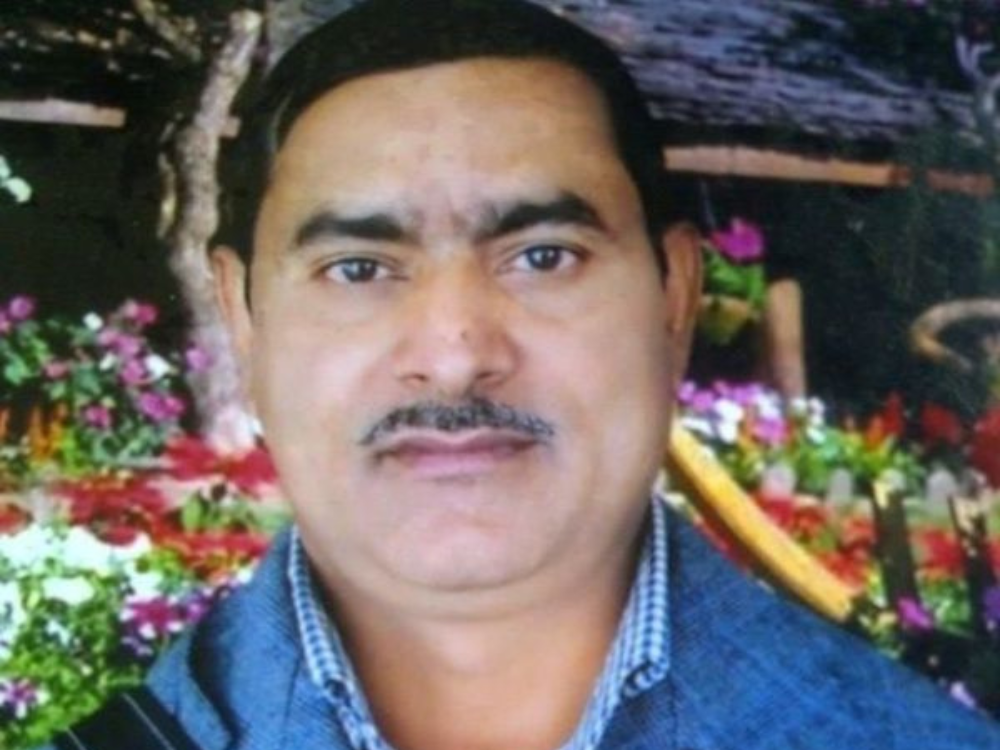
KATHMANDU, July 10: The Global Campaign for the Release of Political Prisoners in Bhutan (GCRPPB) has expressed deep concern and serious objection to the Royal Government of Bhutan’s official response dated 2 July 2025, which denies any knowledge of or involvement in the enforced disappearance of Lok Nath Acharya, who has remained missing since October 2014.
This development follows a detailed UN joint communication—AL BTN 1/2025—issued on 22 April 2025 by four UN Special Procedure mandate holders: Mary Lawlor, the Special Rapporteur on the situation of human rights defenders; Matthew Gillett, Vice-Chair on Communications of the Working Group on Arbitrary Detention; Gabriella Citroni, Chair-Rapporteur of the Working Group on Enforced or Involuntary Disappearances; and Irene Khan, the Special Rapporteur on the promotion and protection of the right to freedom of opinion and expression.
The communication raised credible allegations that Lok Nath Acharya was apprehended by plainclothes officers in India on 16 October 2014, forcibly transferred to Bhutan, and reportedly held in Rabuna Army Jail in Wangdue Phodrang District. Since that time, his fate and whereabouts remain unknown, and his family has not received any contact or official updates for over a decade.
GCRPPB calls for release of all Bhutanese political prisoners
-1765447895.webp)
In its response, the Bhutanese government categorically denied that Lok Nath Acharya was arrested, detained, or returned to Bhutan, and claimed that Bhutanese authorities have no knowledge of the case. The government further stated that it lacks jurisdiction to carry out law enforcement actions in a foreign country.
Acharya, a member of Bhutan’s Lhotshampa minority, was among the many forcibly evicted from Bhutan in the early 1990s. From exile, he became a peaceful advocate for refugee rights through the Human Rights Organization of Bhutan (HUROB). His activism, GCRPPB stated, should have been protected, not punished.
While the GCRPPB acknowledged Bhutan’s previous engagement with UN human rights mechanisms, it underscored that the continuing lack of accountability or credible investigation into Acharya’s disappearance remains a matter of urgent concern. The organization called on the Government of Bhutan to cooperate fully with UN human rights mechanisms and to facilitate a renewed, independent inquiry into the case. It urged Bhutan to disclose any and all information that may assist in clarifying his fate and whereabouts, and to allow access to relevant detention facilities by impartial international observers.
GCRPPB also emphasized the need for the Bhutanese government to reaffirm its commitment to the protection of human rights defenders and refugee activists and to engage constructively with the families of the disappeared in their search for truth and closure.
In its statement, GCRPPB reiterated that the pursuit of truth and transparency is fundamental to upholding international human rights standards and rebuilding trust. The case of Lok Nath Acharya represents not only a deeply personal tragedy for his family, but also a critical test of Bhutan’s willingness to address serious international concerns with honesty and integrity.