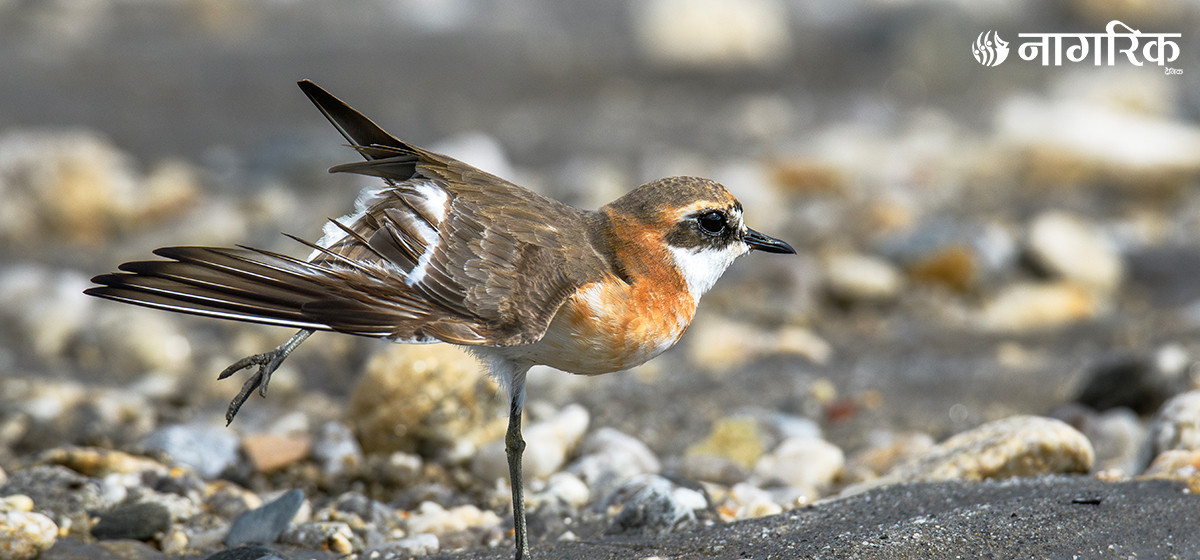
But increasing pollution and dust in the city areas have forced the existing avifauna to migrate elsewhere. The thriving concretes with lesser greenery in the cities have also been a major drawback for the birds. In absence of the natural habitats, it’s only normal for the birds to migrate elsewhere.[break]
Birds are known to be helpful beings. They are known to control insects, rodents and weed seeds that slow the growth of plants or are harmful to them. Birds also help in pollination. And apart from these functions, they are also good company to humans. There is definitely no better way to wake up in the morning than by hearing birds chirping.
bird-feeder jgenvironmental.co.u
So, even though, there is very less bird-friendly habitats left in the city, we can redefine the whole setting keeping birds in regard. There are ways to make your garden as bird-friendly as possible and you can even try these methods in your terrace, balcony or other small spaces.
Nest help
Birds are known to build their nests on tree branches. But since there are very few trees left in the city, there are equally few places for them to build a home. It is often seen that birds are building their nests in rather dangerous places where their nests can be destroyed through various means.
Nest boxes, therefore, can be the perfect solution for our avian friends. These boxes, also known as bird boxes, will be a home for birds to bring up their families in spring and summer and a perfect shelter during winter. Different bird boxes will also attract different species of birds. So when choosing a bird box, think about the types of birds that already come into your garden and the types you would like to attract.
You can also provide more natural home to birds by sparing a dead tree or a snag where they can build their home, or it can also be smartly used as anchors for bird boxes.
Bird bath
Birds absorb much of the water they need from foods. But they will also need open water sources for drinking and bathing. Birds need water not only for drinking but also to cool them in the heat of summer.
Decorative bird baths serve the very purpose. But you can also use native gears such as copper utensils, mud basin or steel bowls that can act as a bird bath. But no matter what you use as a bird bath, make sure that it is no deeper than three inches at the deepest spots to prevent drowning. Bird baths will also require cleaning and refilling every day. To ensure added hygiene, make sure that you clean the apparatus with a stiff brush every week.
Need those feeders
In almost all temples in Nepal, devotees can be seen feeding birds as they hurl nuts and crops to them. But if you try that at home, you may be left with too much to clean up later. In addition, there are chances that the food will be blown away without birds getting to it.
So it is important that bird feeders are used to attract them. Bird feeders are also especially useful if you only have a small garden or a balcony as they do not take up much room. You can order a custom-made feeder with multipurpose feeding stations that will also help you feed kitchen scraps and household wastes, or buy a basic feeder which can be filled with different nuts.
Mess up a little
Apart from feeders, birds find their food through different plants in the garden. However, a bird-friendly landscape is never perfectly manicured and neatly trimmed. A manicured lawn doesn’t provide much in the way of food or habitat for birds than a little messed up one. Leaf litter, longer grass and discarded brush piles are highly attractive to birds because they are rich sources of insects, nesting material and shelter.
Dense vegetation with low-maintenance plants, including native wildflowers and grasses, and shrubs and woodland groundcovers, are also helpful to provide shelter to smaller birds; shielding them from hawks, falcons, cats or other predators.
Avoid pesticides
While tending your garden, it is advisable that you use natural and organic fertilizers that will not harm birds. Pesticides, being harmful chemicals, will also affect birds directly or indirectly. While some pesticides may harm birds directly, others kill or contaminate insects and other creatures on which many birds feed.
Whether on your lawn or in other parts of your garden, use chemical pesticides only as a last resort, after all other measures have failed. You will bid farewell to the birds if you use them in excessive amount, and don’t forget that pesticides have the potential to harm humans as well.
Related story
Garden of Dreams (photo feature)