KATHMANDU, Jan 30: With 68 political parties vying for seats in 165 constituencies ahead of the March 5 House of Representatives (HoR) elections, campaign fever is sweeping the nation. Yet, a striking reality remains: many candidates are hitting the streets without a manifesto, leaving voters in the dark about their policies and vision. Only now are parties scrambling to draft documents that outline concrete plans.
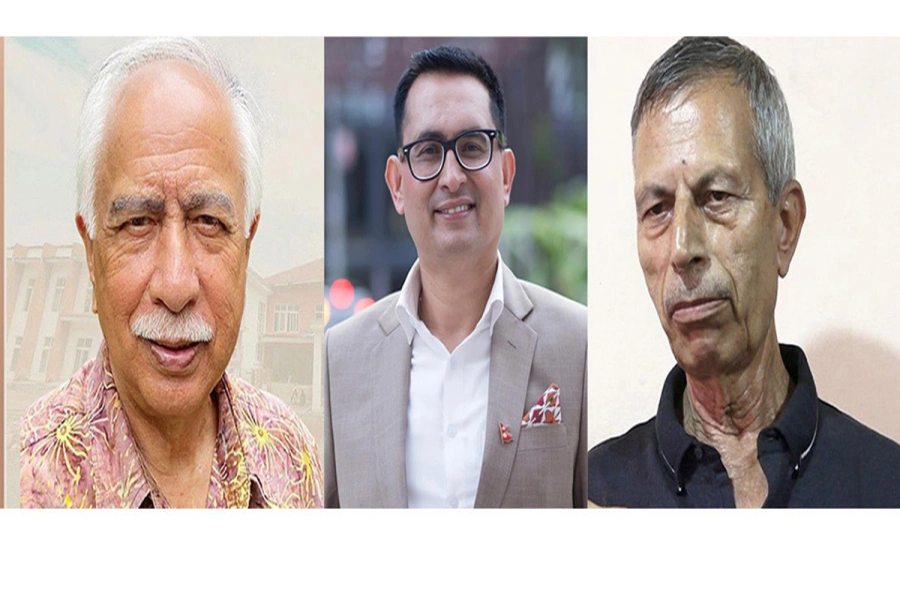
For education experts, the stakes could not be higher. Kedarbhakta Mathema warns that a party’s manifesto cannot be a collection of slogans—it must clearly spell out policies, action plans, and accountability mechanisms. “A manifesto only matters if it is practical, measurable, and directly impacts the lives of the people,” he says.
When it comes to education, Mathema insists that manifestos must make one thing clear: education is a right, not a privilege. He urges parties to address the declining standards in Madhesh, promoting quality, inclusive education that links learning to employment opportunities. He also stresses that higher education must be shielded from political interference, banning student and teacher organizations that serve political interests, while aligning education with the country’s workforce needs.
Manifestos are incomplete without clear execution plan

Mathema adds that public education needs urgent strengthening: merit-based teacher appointments, regular training, updated curricula, practical examination reforms, and life-oriented learning must all be part of party policies. Higher education, he says, should adopt a zero-politics approach, ensuring full autonomy for universities and colleges.
Yuvraj Sharma, President of the Higher Secondary and School Association Nepal (HISAN), echoes the concerns, noting that despite key legislation such as the School Education Act, Higher Education Act, and Technical Education Act, implementation gaps have left the sector fragile. Sharma calls for systematic reforms across all levels of education, backed by clear budgeting, strong administration, and actionable policy plans. He highlights a stark reality: of Nepal’s 27,000 public schools, over 15,000 have fewer than 100 students, a fact that must guide decisions on school consolidation and the opening of new schools.
Sharma also emphasizes the role of private institutions, urging parties to ensure that they meet social responsibilities, including providing scholarships, while guaranteeing secure investment. To stem the growing brain drain, manifestos must detail mechanisms for expanding higher education access, linking technical education with regional universities, and ensuring employable skills within the country. Private institutions, he notes, should have autonomy over curricula, examinations, and certification, while final degrees remain under university authority.
Educationist Bidyanath Koirala adds that manifestos should be five-year blueprints with measurable goals. “Technical and skill-based education must connect directly with local employment. Manifestos should spell out collaboration between industry and schools, and ensure skills are certified before students go abroad,” he says. Koirala stresses that manifestos must include clear budgets, five-year action plans, responsible authorities, and accountability mechanisms if goals are not achieved.
Experts agree that good governance and accountability are non-negotiable: transparent use of funds, strict anti-corruption measures, and annual progress reporting must be part of every manifesto. Investment in community schools should rise, private schools must be regulated, and commercialization of education must be curtailed.
As voters head to the polls, education experts insist that a party’s stance on education could be the litmus test for Nepal’s future—especially in regions like Madhesh, where public schooling has faltered and urgent reforms cannot wait.