

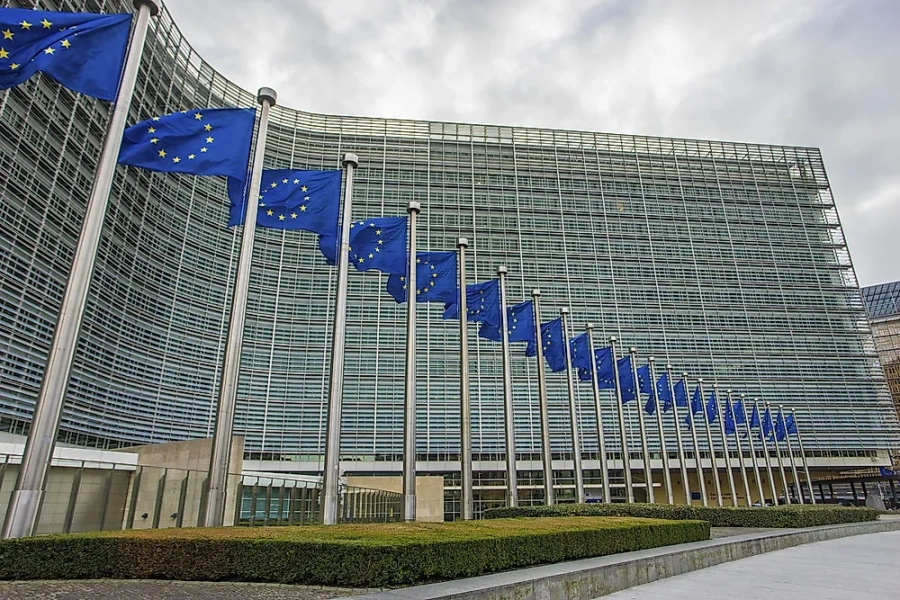
LONDON, Dec 19: European Union leaders are meeting in Brussels amid sharp disagreement over a plan to use frozen Russian state assets to support Ukraine’s war effort. The proposal focuses on using about 210 billion euros held in the EU as collateral for loans to Kyiv over the next two years, with the expectation that Russia would later repay the money through war related compensation, a claim Moscow rejects outright, Al Jazeera reported.
The debate comes at a tense moment. Financial backing from the United States has slowed under President Donald Trump’s administration, while many EU governments face tight budgets at home. EU officials warn that without fresh funding, Ukraine could face a serious cash shortfall by April next year. They fear this could weaken Kyiv on the battlefield and open space for greater Russian influence in Europe.
Ukrainian President Volodymyr Zelensky has cautioned that failing to support Ukraine financially would strengthen Moscow and increase the risk of wider conflict, including possible instability within Europe itself, according to Al Jazeera.
25-year-old frozen embryo results in healthy baby girl

The European Commission has floated a fallback option under which the EU would raise funds directly and lend them to Ukraine. That plan has been set aside for now due to opposition from Hungary’s Prime Minister Viktor Orban, whose vote could block any move that requires full consensus among all 27 member states.
Analysts say the use of frozen Russian assets has become the only realistic funding path left, even though it would set a new precedent. German Chancellor Friedrich Merz said prospects for agreement remain uncertain. Some experts note that even after World War II, German state assets were not seized in this manner, Al Jazeera stated.
Belgium has emerged as a key holdout. Prime Minister Bart De Wever told parliament that Brussels remains worried about legal and financial exposure. Belgium hosts Euroclear, the financial services firm that holds most of the frozen Russian assets, estimated at about 185 billion dollars. Belgian officials fear that if courts later rule against the measure, Belgium could face compensation claims from Russia. Brussels wants firm guarantees that any legal or financial fallout would be shared across the EU.
Germany and the Netherlands have signaled readiness to support the loan plan, while countries such as Italy and Bulgaria remain cautious. Although the proposal needs only a qualified majority, EU officials are keen to avoid Belgium voting against it, given its role as the bloc’s institutional hub, added Al Jazeera.
Russia has already warned of legal retaliation. Its central bank said it would sue European banks involved in any attempt to channel frozen assets to Ukraine. Moscow has launched cases against Euroclear and institutions in several European countries. Analysts say the Kremlin would treat such a move as a major escalation in financial confrontation and respond accordingly.
According to Al Jazeera, as diplomats debate in Brussels, fighting on the ground continues. Russian strikes hit several Ukrainian regions, injuring dozens of civilians and damaging power infrastructure. Ukrainian officials said overnight attacks disrupted electricity supplies for around 180,000 people in five regions. In Donetsk, shelling killed three residents, while heavy clashes persisted around Kupiansk, Lyman, and Sloviansk.
Ukraine reported shooting down hundreds of drones during large scale Russian air assaults. Russia, in turn, said its air defenses intercepted dozens of Ukrainian drones. Drone strikes in southern Russia killed three people, including crew members of a cargo vessel.
With violence ongoing and funding gaps looming, the EU faces a hard choice that could shape both the war’s course and Europe’s financial and legal order, Al Jazeera reported.





