Gen Z voters have reshaped Nepal’s political landscape. The current prime minister, though in her seventies, rose to office with their support because they believed her long experience could finally anchor stability. In the early weeks, the new government showed flashes of competence: during recent floods, simple precautionary measures saved hundreds of lives, demonstrating what a responsible state can achieve.
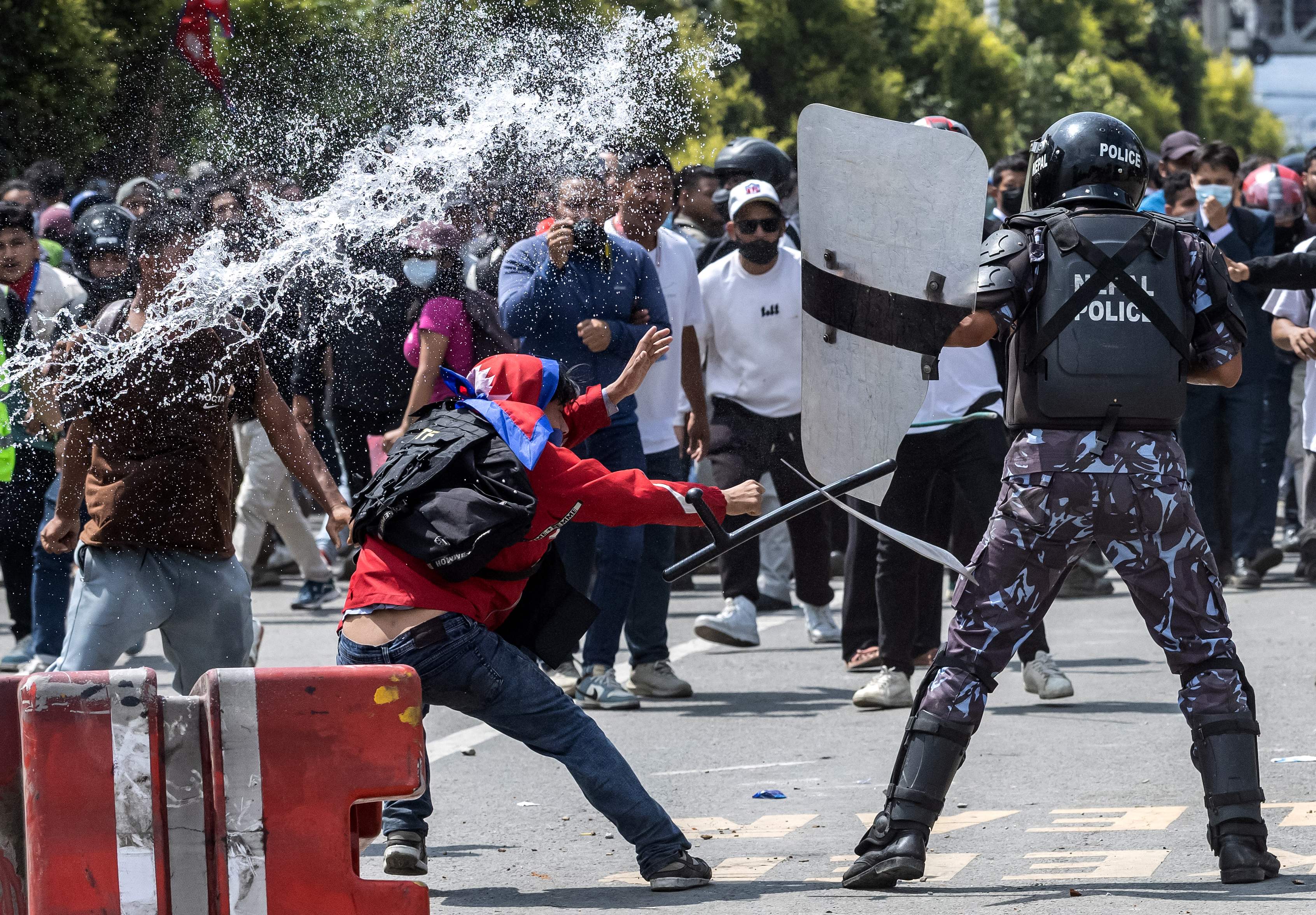
Yet these isolated successes cannot mask delayed justice. The protest that engulfed government buildings in flames was not an attempt to hasten elections; it was a response to blood on the streets. Schoolchildren were shot in the head, 72 people died within 48 hours, yet the nation’s focus has shifted away from the murders that sparked this outrage.
Two Months In, Justice Still Fails
Two months into the newly formed government, justice remains undelivered, and the nation grows impatient. The public expected swift action on murder, corruption, and abuse of power. Those accused of ordering the killing of schoolchildren live comfortably in strongholds where locals face harassment from their so-called “vigilante patrols,” while the Home Ministry watches silently. It feels as if the same forces that caused the violence continue to operate behind the state.
Astonishingly, ministers and officials from the previous government were found hoarding rooms full of cash, captured on protesters’ phones, yet major media outlets turned a blind eye. Some political actors claimed the evidence was AI-generated, weaponizing technology to dodge accountability.
Chepang new mom dies due to excessive bleeding

A Crisis of Integrity
Public trust is collapsing not only due to political scandals but also because of a deeper cultural decay. Professionals are smeared as foreign agents merely for working with or meeting foreign officials. It is absurd to question the integrity of young people while expecting them to join government service, where party loyalty often outweighs competence.
Citizens, too, must confront their responsibility. Democracy requires courage, morality, and clarity—not selective outrage. When children were murdered, parts of the public obsessed over why a government building was later set on fire, forgetting what provoked the fury. This moral amnesia mirrors the opportunism they criticize in politicians. Many supporters remain silent out of fear of losing proximity to power, even when their leaders cross every ethical boundary.
Media and the Silence of Complicity
At the center of this crisis stand the media houses—institutions that should have been the first line of resistance, yet too often chose silence over truth. Politicians drowning in scandals still enjoy prime-time interviews, soft questions, and curated sympathy. When press freedom was threatened, every newsroom united with joint editorials. But when children were murdered, there was no unified editorial, no collective outrage, and no demand for accountability.
A few youth-led media voices have shown rare moral clarity, but without institutional backing, their courage remains limited to social media posts. For the coming election to be credible, the media must reclaim its role as a guardian of truth, cutting ties to political patronage and aligning with a generation demanding transparency and fearless reporting. Media houses must launch national conversations on electoral reform, confront misinformation, and spotlight leaders committed to public service. Only then can the public regain trust in an institution that remained silent at the nation’s most critical moment.
A Void of Leadership and the Danger of Unchecked Power
Meanwhile, one of the mayors, once seen as Nepal’s promising future leader, has revealed through an alarming social media post why many citizens are now questioning the idea of a directly elected prime minister and the dangers of concentrated, unchecked power. One of his former advisors, now heading the Home Ministry, must also recognize the urgency of this moment. What the public will not tolerate is hesitation, deflection, or the same lethargy that has defined previous governments. A crucial reminder: the primary duty of this government is not merely to conduct elections, but to deliver justice to the victims who lost their lives during the protests.
The Path Ahead: Courage or Collapse
Society is prepared for change, and Gen Z protests have already made that clear. The old political boat is leaking on every side, and those who cling to it will inevitably go down with it. This is the moment for media houses to shed their old allegiances and stand with a generation demanding honesty, accountability, and genuine leadership.
But institutions alone cannot reset the country’s course. Citizens must also examine their own part in the crisis. Selective outrage, silence when injustice unfolds, and loyalty shaped by fear have allowed misconduct to persist. No reform can succeed if the public itself is unwilling to act with integrity. Nepal’s future depends on courage—from its media, its leaders, and its people—to steer the nation toward justice, accountability, and progress.