Usha Magar, 24, was cherishing every moment of her motherhood in the aftermath of the quake at Prasuti Griha, a government-run maternity hospital in Kathmandu.
"I gave birth to my baby in one of the rooms inside the hospital. Later, I was rushed out of the room after delivery," said Magar.She opined that the hospital should have made arrangements for additional beds for new-born infants and mothers to prevent them from cold. "Both mothers and babies need intensive care and need to stay warm but we have been forced to sleep on cold floor," she said.
Magar said she had to sleep on wet ground for almost five days before delivery after the massive earthquake hit the country on April 25.
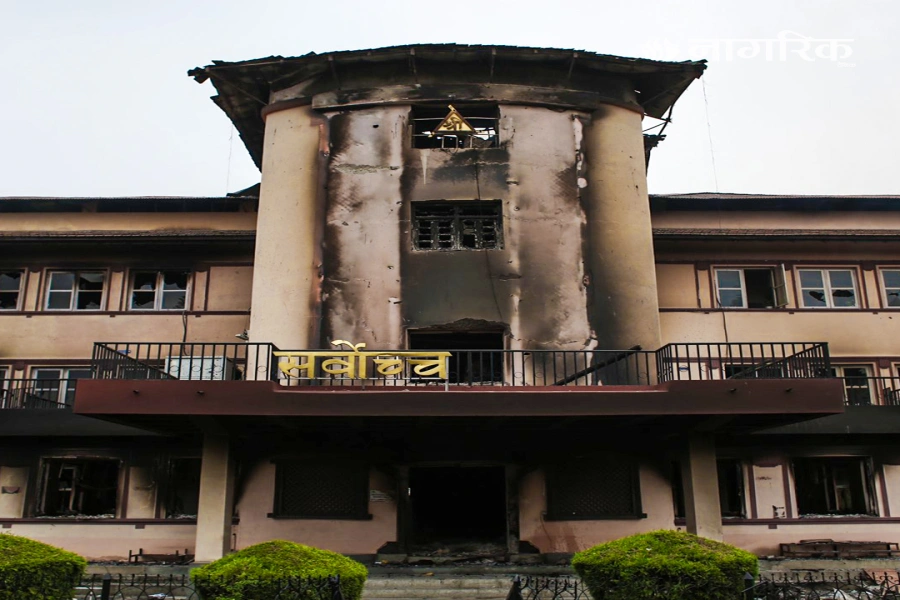
Like Magar, many pregnant women and new mothers have been forced to sleep on the ground and on the floor in the corridors of the hospital. The main building of the hospital has developed severe cracks.
The government's maternity hospital has made arrangements for 35 beds in its administrative building in the aftermath of the quake. The hospital could admit up to 415 pregnant women daily.
Administrator at the hospital Amar Amatya informed that the hospital is facing numerous problems after the quake.
"The main building has been termed extremely unsafe after the quake," he informed adding, "We were even forced to arrange delivery at the hospital grounds under the tents for two days."
Blood bank, emergency lab, post-operative ward, birth center, especial baby care unit and other department of the hospital has been shifted to a single room at the administration building.
A recent report of the United Nations Population Fund (UNFPA), which is working with the government of Nepal and partners to prevent gender-based violence, recently estimated that some 2 million women and girls of reproductive age have been affected by the quake on April 25. According to the study, 126,000 pregnant women have been affected by the quake.
Related story
Experts call for more initiatives to achieve SDGs on safe mothe...









-1773673205.webp)