The dialogue initiated under the leadership of President Ram Chandra Paudel on Friday marks a welcome and necessary step toward creating a conducive environment for the upcoming House of Representatives (HoR) elections. At this critical juncture, Prime Minister Sushila Karki must now continue this process with sincerity and commitment, while leaders of all political parties must cooperate to ensure that the polls are held on time in a free and fair environment. This move to open the door for dialogue among political parties is welcome development as this can help restore mutual trust and stability. The government and the major political parties were not in communication even nearly a month after the formation of the new government post Gen Z movement. But the meeting that was convened by President Paudel has rekindled hopes for consensus and cooperation. The effort to win the confidence of political parties must focus squarely on ensuring that the scheduled elections for the HoR are conducted smoothly and without delay. The meeting is particularly significant as political tensions and mistrust have grown in recent weeks. Aggressive behaviour and sharp verbal attacks by leaders on both sides have deepened divisions. Yet, these divisions can only be bridged through dialogue, not confrontation. The country cannot afford further uncertainty when the restoration of democratic governance depends on holding timely, credible and inclusive elections.
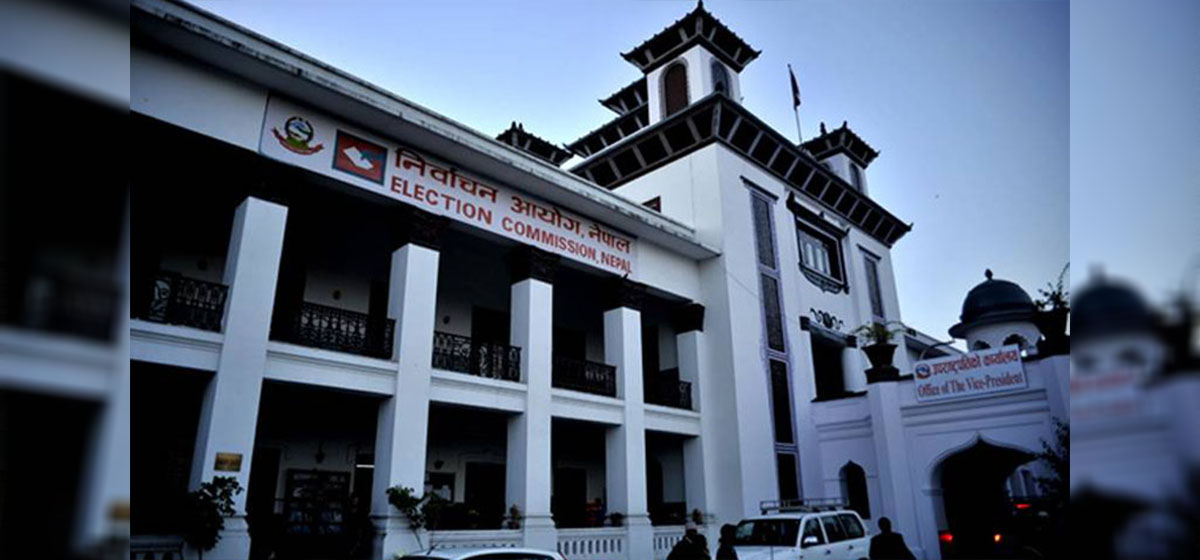
The interim government’s foremost duty is to prepare for the elections scheduled for March 5, 2026. This includes ensuring a fair and impartial process, completing investigations into recent incidents of suppression and destruction and taking firm action against corruption. A judicial commission has already been formed for investigations, but progress must be accompanied by visible commitment to good governance and accountability. To achieve these goals, coordination between the government, the Election Commission and political parties is indispensable. Announcing the election schedule without proper consultation only breeds mistrust. Hence, continued dialogue is crucial—not as a symbolic gesture, but as a mechanism to build confidence and cooperation among all key actors. Ultimately, the priority for all should be clear: to return power to the people through a free and fair election. The rule of law and democratic norms can only be strengthened once an elected parliament is reinstated. Without this, neither democracy nor effective governance can be ensured.
India divides Jammu and Kashmir state

It is not the responsibility of the government alone to create a favorable electoral environment. Political leaders, too, must act responsibly, avoiding actions or rhetoric that undermine public trust. Expressing frustration over the loss of power or attempting to score political points will only harm the country, democracy and their own parties. President Paudel has taken on his constitutional role as a unifying guardian by reviving dialogue among the parties. Prime Minister Karki must now carry this forward decisively. The sooner the dialogue becomes productive, the sooner the nation can move toward stability and elections. For now, all parties must rise above personal grievances and political calculations to safeguard Nepal’s democratic future. The people remain the ultimate authority and their mandate must be renewed through the ballot box—not delayed by indecision or division.