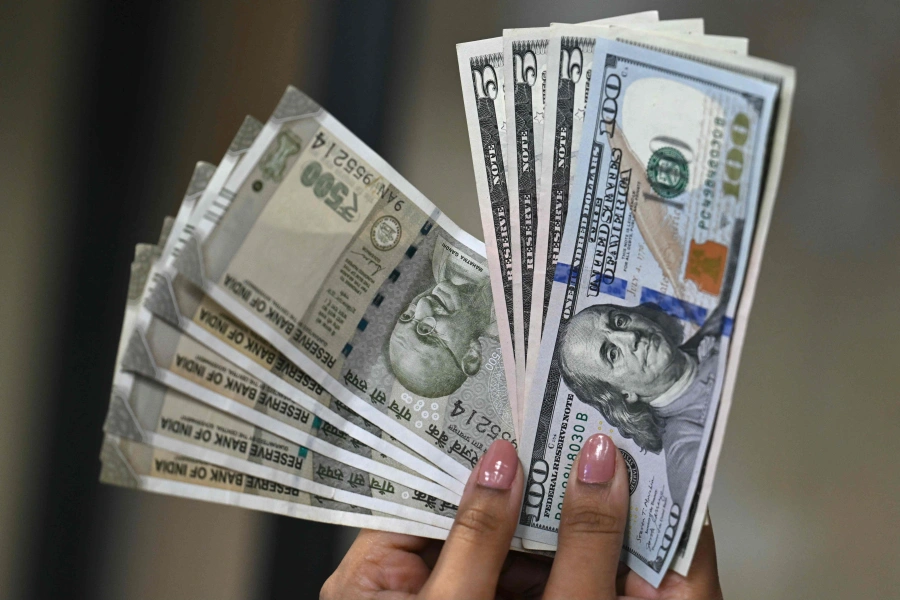
Here are some indicators to rejoice about: inflation has eased back to a single-digit, remittance growth has reached above 10 percent and flow of foreign direct investment has increased threefold. Above all, the dramatic turnaround in the country’s balance of payment -- a monetary instrument to track inflow and outflow of foreign currency -- from an alarming deficit of about 23 billion recorded in January 2009 to surplus of Rs 250 million has been most the remarkable achievement, thanks mainly to improved inflow of foreign aid reimbursements.
Moreover, growing credit flow to the private sector and rising, albeit slow, deposits in the banking system is an indication of rising confidence of both investors and depositors. Despite the rosy scenario, plenty of potholes lie ahead. One of them is the widening trade deficit that has crossed the Rs 300-billion mark -- 72 percent of the total trade.
Though export is growing but the growth is quite small when compared to rise in imports in actual value, resulting in further rise in trade deficit. We have underscored the need for concrete measures to boost exports rather than curb imports to check trade deficit many times, but our pleas seem to have fallen on deaf ears. Similarly, lengthening banking jittery following the burst of real-estate bubble is another most serious time bomb, and future recovery will largely depend on how tactfully the central bank will defuse the risk that has already rampaged some of the appallingly managed financial institutions.
It is a fact that problems related to banking sector is deepening at a much faster pace, there has been a soar in provisions for possible loan loss. Such an alarming rise clearly indicates that banks are facing difficulties in recovering loans, particularly from the realty sector lending. In order to save financial institutions from possible meltdown, central bank has lately opened new tools to inject additional liquidity even to those that are badly managed.
The policy of injecting liquidity without enhancing inspection capabilities of the central bank can invite a new series of catastrophes in the future. We believe it was just like an act of giving a painkiller when there is need of a major surgery.
Related story
Democracy was saved but hope is all we have