A total of 990 cases of domestic violence were registered at police stations in Dhanusha while Bardiya saw only 154 such cases between the fiscal years 2010/11 and 2014/15, according to the study.
The study, which was conducted in nine districts of Tarai region, says that unemployment, economic problems, dowry system, child marriage and alcoholism, among others, were major reasons fueling domestic and gender-based violence.
“Discriminatory behavior in the upbringing of sons and daughters, poor economic condition of families, discriminatory social norms and patriarchal mentalities are cited as major causes of domestic and gender-based violence,” the study states.
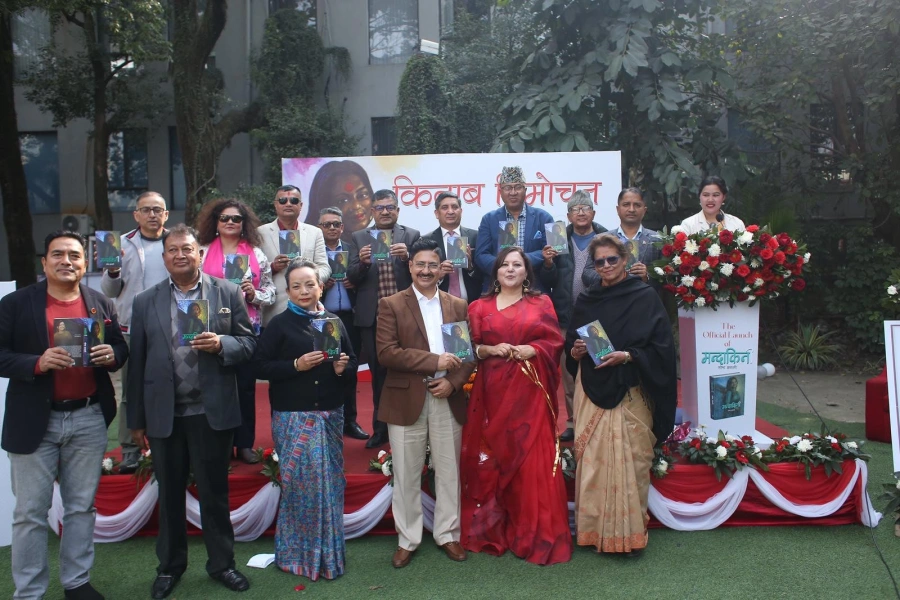
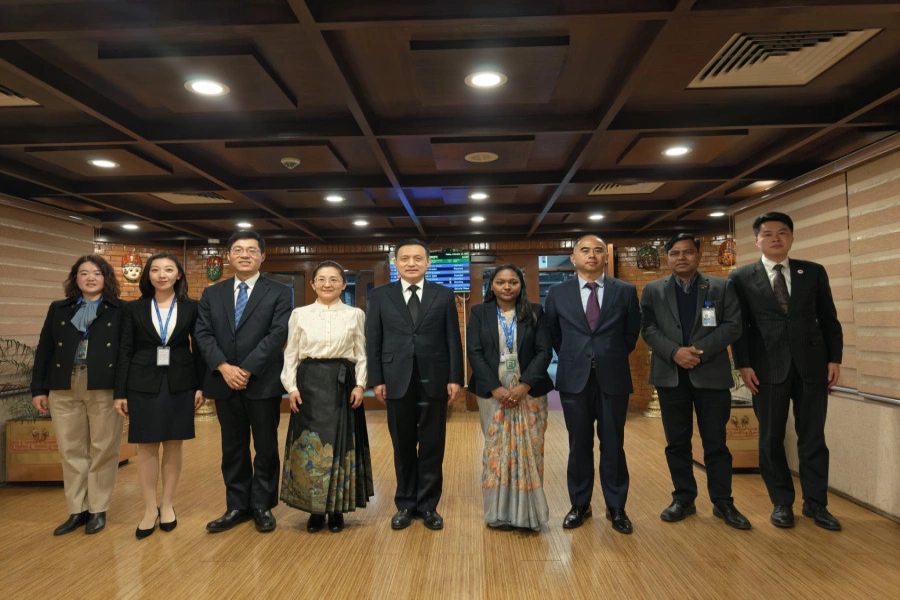
The Gender Based Violence (GBV) Trends Analysis Summary Report and the GBV Prevention Peer Education Training Manual was jointly publicized by Nepal government and Armed Violence Reduction and Strengthening Community Security (AVRSCS) project of UNDP in the capital on Tuesday.
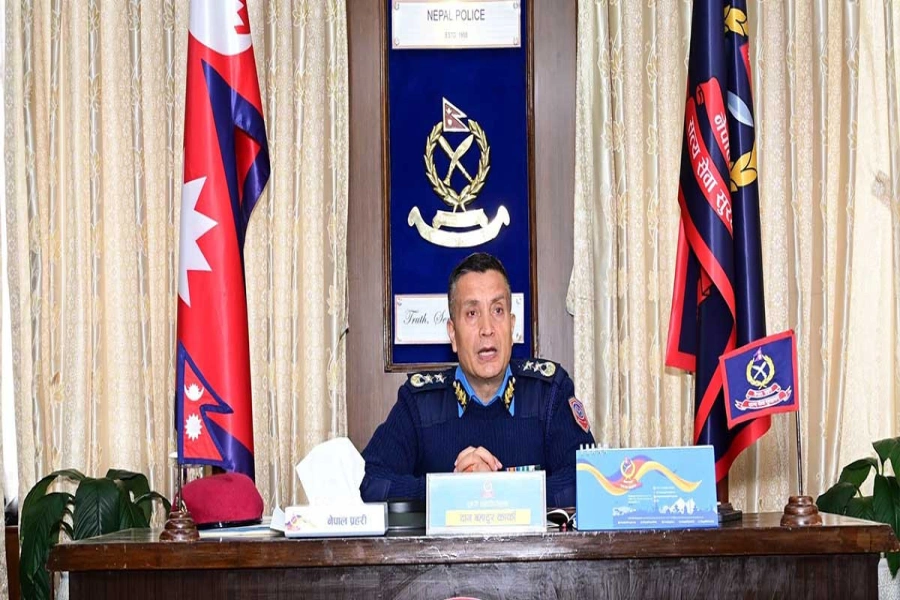
Speaking at the program, Deputy Inspector General Prakash Aryal said that the situation in the districts where the study was conducted is quite vulnerable, but that the level of awareness among public was increasing.
“The cases of domestic and gender violence that earlier went unreported are being reported in the present times because of the increasing level of awareness among public,” DIG Aryal said. “The knowledge about existing laws and punishment discourages would-be perpetrators of crimes.”
The study was conducted in Banke, Bardiya, Kailali, Kanchanpur, Dhanusa, Parsa, Morang, Saptari and Bara.
The research has recommended training police officials working at female service centers on psychological counseling and deploying a female inspector at such centers. “Socio-legal dialogues are needed in Nepalese societies in order to bring out the issues that are hidden there,” reads the summary report.
The UNDP has said that it aims to roll out training programs in collaboration with civil society organizations in 2016 to empower men and boys to become role models for the prevention of sexual and gender-based violence on the basis of GBV Prevention Peer Education Training Manual.
Related story
16-day Campaign against VAW: 80 percent of GBV includes domesti...