KATHMANDU, Dec 4: Marrying close relatives remains common in some communities worldwide and certain ethnic groups in Nepal are no exception to this practice. However, medical experts warn that such unions significantly increase the risk of genetic disorders in children.
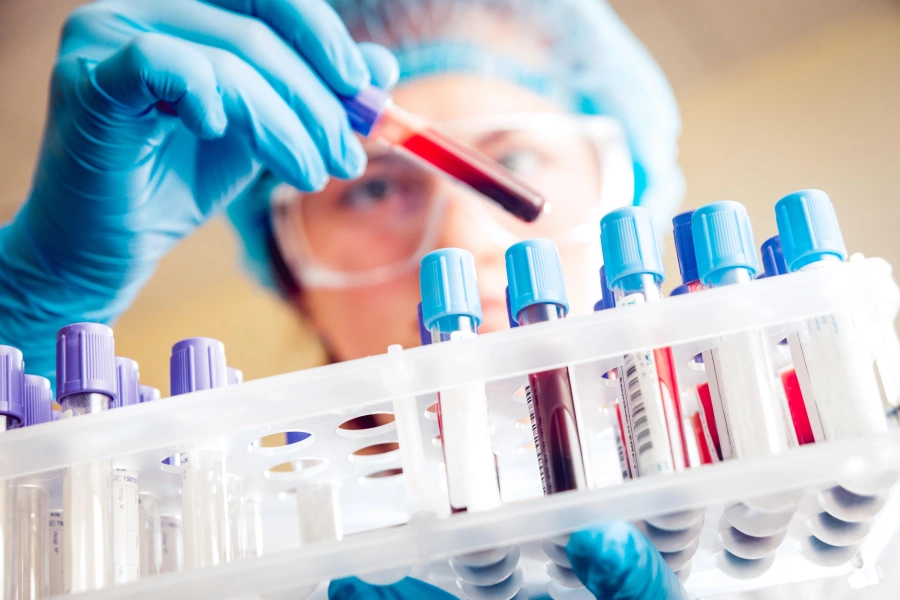
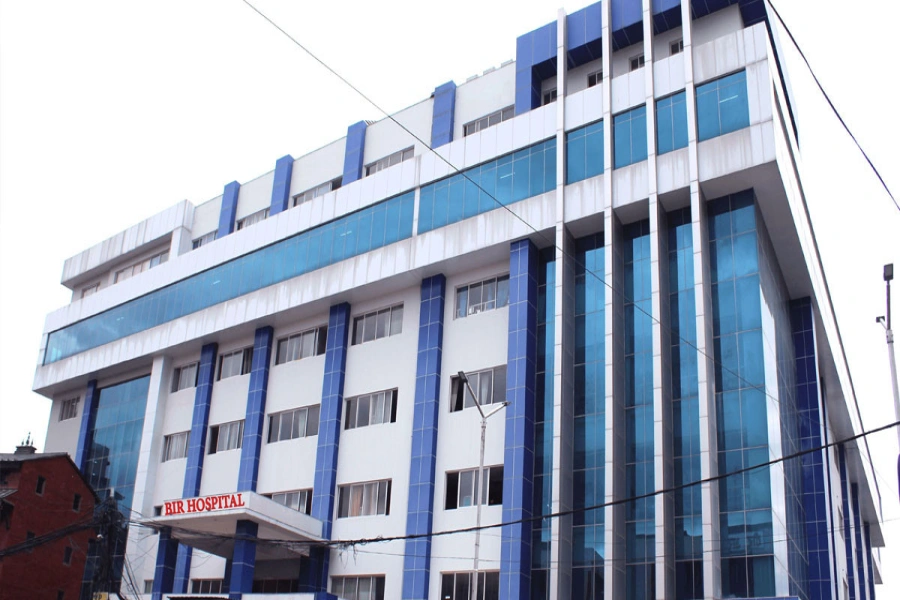
Dr. Nilam Thakur, a genetic disease specialist at Bir Hospital, says that hereditary disorders linked to marriages within close kin are increasingly observed in Nepal. Common conditions include thalassemia, sickle cell anemia, congenital heart defects, liver and brain problems, limb disabilities, Down syndrome, cancers, cleft lips, nasal deformities, and intellectual disabilities. While research on prevalence in specific communities is limited, the risks are evident.
Genetic risk for developing psychiatric disorders or cognitive...

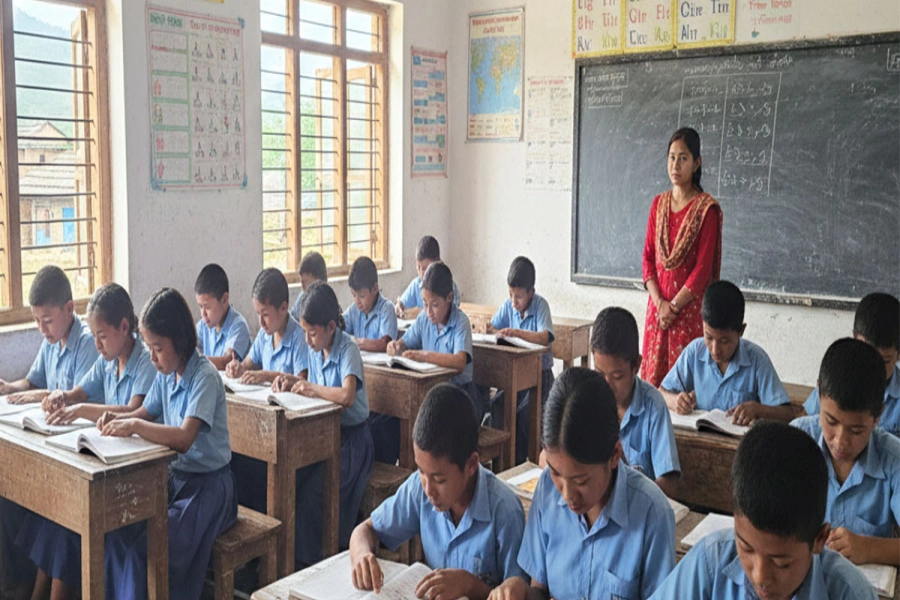
Anthropologist Manab Bahadur Shah points out that communities where such marriages are more common include Gurung, Magar, Thakali, Tamang, Danuwar, and Tharu in the Terai. In many cases, marriages occur between maternal or paternal cousins. In the Danuwar community, it is customary to marry a son into the household where a daughter was given, or to give a daughter to the household from which a daughter-in-law was taken.
Shah says economic and social reasons often drive these practices. “Families aim to protect property and maintain family ties,” he explains. “While these unions may strengthen relationships within the family, they pose significant health risks.”
Dr. Thakur warns that children of close-relative marriages can inherit multiple genetic disorders. Disorders may affect the liver, brain, eyes, limbs, or blood. “If an eye disorder runs in the family, it may persist across generations,” she adds. Marriages within the same ethnic group over generations further increase the likelihood of hereditary disorders, highlighting the urgent need for awareness and genetic counseling.