Stroke is a major health concern in Nepal. Recent studies indicate that it accounts for approximately 7.61% of all deaths in the country.
Prevalence
Stroke is a leading cause of death and long-term disability in Nepal. The burden is particularly high among older adults, with the average age of stroke patients ranging between 59 and 62 years.
Stroke in Nepal: The Need for Awareness
In Nepal, non-communicable diseases are increasing rapidly. Limited stroke centers, delayed hospital arrival, and low public awareness remain major challenges. Public education campaigns, improved emergency response systems, and strengthened primary healthcare services are essential to reduce the burden of stroke.
Healthcare workers, the media, schools, and community organizations all have important roles in spreading awareness.
Stroke is one of the leading causes of death and long-term disability worldwide. In Nepal and many other developing countries, rising rates of hypertension, diabetes, smoking, stress, and unhealthy lifestyles have made stroke a growing public health concern. Despite this, many people still do not recognize the warning signs or understand the importance of seeking immediate medical care. Stroke Awareness initiatives provide an important opportunity to educate the public and save lives through prevention and timely intervention.
What is a Stroke?
A stroke occurs when the blood supply to part of the brain is interrupted or reduced, depriving brain tissue of oxygen and nutrients. Within minutes, brain cells begin to die. Stroke is a medical emergency and requires urgent treatment.
There are two main types of stroke:
· Ischemic stroke: Caused by blockage of blood vessels supplying the brain. This is the most common type.
· Hemorrhagic stroke: Caused by bleeding within the brain due to rupture of a blood vessel.
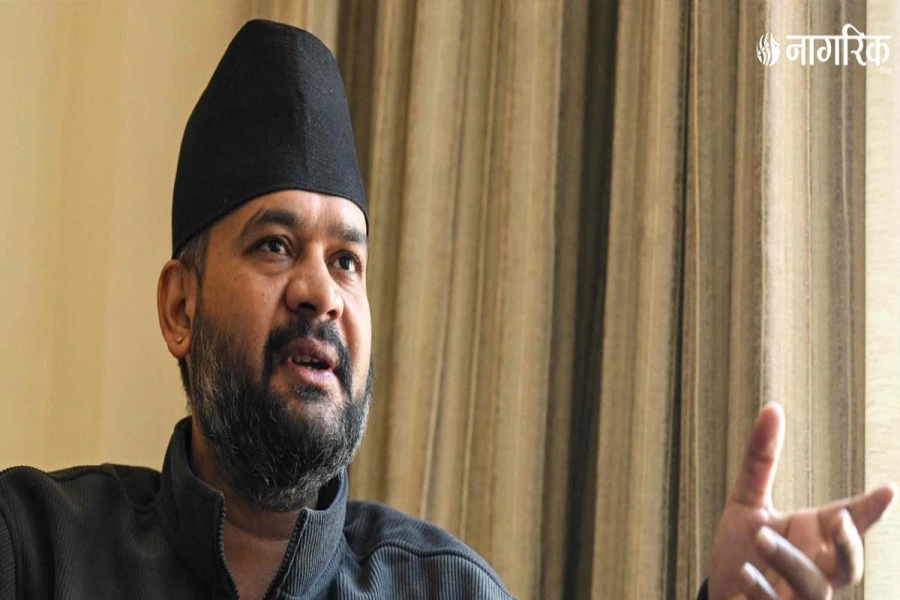
Reducing stroke mortality: Dr Kandel's vision for Nepal’s futur...

A Transient Ischemic Attack (TIA), also known as a “mini-stroke,” is a temporary blockage that resolves quickly but serves as an important warning sign for future strokes.
Who is at Risk?
Stroke can affect anyone, including young adults. However, certain factors increase the risk:
High blood pressure, diabetes, smoking and tobacco use, high cholesterol, obesity, physical inactivity, excessive alcohol consumption, heart disease, and chronic stress.
Warning Signs: Remember FAST
Early recognition can save lives and reduce disability. The easiest way to identify stroke symptoms is the acronym FAST:
· F – Face drooping: One side of the face becomes uneven or droops
· A – Arm weakness: Weakness or numbness in one arm
· S – Speech difficulty: Slurred or unclear speech
· T – Time to call emergency services: Immediate medical attention is critical
Other symptoms may include:
· Sudden severe headache
· Loss of balance or coordination
· Sudden vision problems
· Confusion
· Difficulty walking
Even if symptoms improve, urgent medical evaluation is still necessary.
Why Immediate Treatment Matters
Doctors often say, “Time is brain.” During a stroke, millions of brain cells die every minute. Early treatment can significantly reduce brain damage and improve recovery outcomes.
Modern treatments such as clot-busting medications and mechanical thrombectomy are most effective when patients reach the hospital early. Delays often result in permanent disability or death.
Unfortunately, many patients in rural and resource-limited settings arrive late due to lack of awareness, transportation challenges, or reliance on home remedies.
Can Stroke Be Prevented?
Many strokes are preventable through healthy lifestyle choices:
· Control blood pressure: The most important risk factor for stroke
· Manage diabetes and cholesterol: Regular checkups and proper medication are essential
· Quit smoking: Smoking damages blood vessels and increases stroke risk
· Exercise regularly: At least 30 minutes of physical activity most days
· Eat a healthy diet: Reduce salt, sugar, and unhealthy fats; increase fruits and vegetables
· Limit alcohol consumption: Excessive intake increases stroke risk
· Regular health screening: Early detection of risk factors helps prevent complications
Life After Stroke
Stroke survivors may experience weakness, speech difficulties, memory problems, or emotional changes. Rehabilitation through physiotherapy, speech therapy, occupational therapy, and strong family support plays a crucial role in recovery.
Community support and awareness help reduce stigma and improve quality of life for survivors.




-1200x560-1774606010.webp)
-1200x560-1783685616.webp)